
Plants
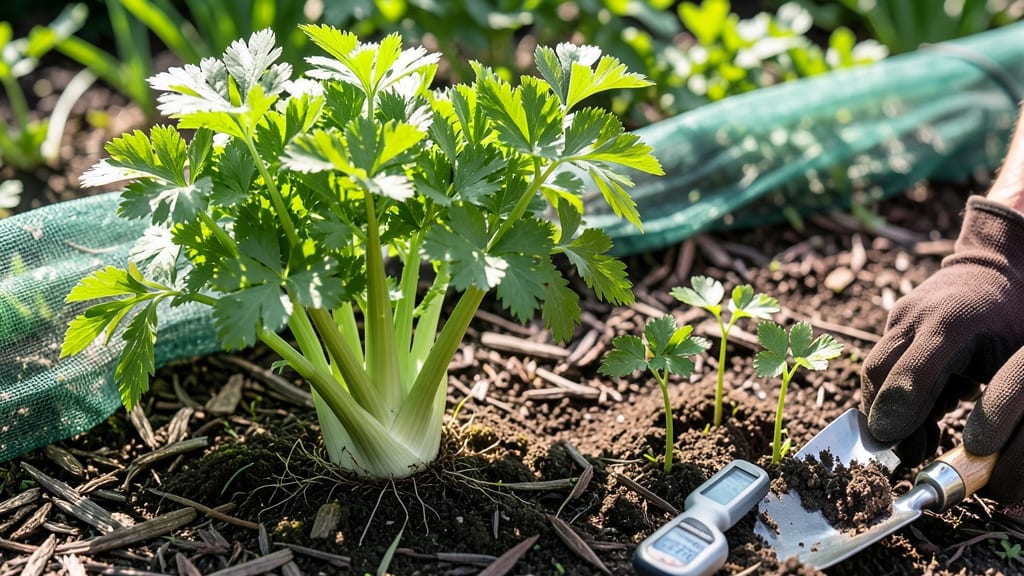
Optimal Florida celery planting months by region (coastal vs inland)
Florida’s frost-free climate makes celery a year-round possibility, but timing still matters. Coastal areas like Miami and Tampa enjoy warmer winters, while inland regions like Orlando and Gainesville experience cooler nights.
These differences create distinct planting windows to avoid heat stress or bolting—celery’s tendency to flower prematurely. Let’s break down the ideal months for each region.
For coastal Florida, the best time to plant celery is August through October for a fall harvest. This window ensures soil temperatures stay below 80°F, which celery prefers. Inland areas can start slightly earlier, with July through September being ideal.
Both regions can also plant in February-March for a spring harvest, but coastal areas have a slight edge due to milder temperatures.
Celery thrives in USDA Zones 9a-11, but microclimates within Florida create unique growing conditions. Coastal regions benefit from moderate humidity and gentler heat, while inland areas may need extra shade to protect plants from intense afternoon sun.
Understanding these differences ensures your celery grows crisp and flavorful.
Here’s a quick comparison to help you decide when to plant based on your location:
| Region | Best Planting Months | Soil Temp Threshold | Key Consideration |
|---|---|---|---|
| Coastal (Miami, Tampa) | August–October (fall) & February–March (spring) | 60–75°F | Higher humidity; avoid summer heat |
| Inland (Orlando, Gainesville) | July–September (fall) & February–March (spring) | 65–78°F | Cooler nights; needs shade in summer |
| North Florida (Panhandle) | September–October (fall) & March (spring) | 60–72°F | Short growing season; prioritize fall |
If you’re planting in summer months, focus on shade protection and consistent watering. Celery hates heat stress, so avoid direct midday sun. For coastal gardeners, late summer plantings (August) give you time to harvest before winter humidity rises.
Inland gardeners should aim for July plantings to avoid the hottest August temperatures.
Pro tip: Use a soil thermometer to monitor temperatures. Celery roots best when soil stays between 60–75°F. If your soil runs hotter, consider raising beds or using mulch to keep roots cool. This small step can make the difference between a bolted plant and a crisp harvest.
For spring plantings, February–March is ideal across all regions. Coastal areas can push into early April, but inland gardeners should stop by mid-March to avoid early summer heat. Always harden off seedlings for 7–10 days before transplanting to prevent shock.
Remember, celery is a cool-season crop, even in Florida. The goal is to give it mild temperatures and consistent moisture. With the right timing, you’ll enjoy homegrown celery year-round—no frost risk required! 🥬
Optimal Florida celery planting months by region (coastal vs inland)
Florida’s climate lets you grow celery year-round, but coastal and inland regions have different ideal planting windows. Coastal areas near the Atlantic or Gulf stay milder year-round, while inland zones experience hotter summers. Understanding these differences ensures your celery thrives without bolting or stress.
For coastal Florida, the best time to plant celery is August through October for fall harvests, or February through March for spring crops. These windows align with cooler temperatures and higher humidity, which celery prefers.
Inland areas should aim for September to November for fall and January to February for spring, avoiding the brutal summer heat.
Celery struggles when soil temperatures exceed 80°F (27°C). Coastal regions rarely hit this threshold, but inland zones can surpass it easily. Planting in fall or early spring keeps soil temps ideal—60-70°F (15-21°C)—for steady growth.
| Factor | Coastal Florida | Inland Florida |
|---|---|---|
| Best Planting Window | Aug-Oct (fall) / Feb-Mar (spring) | Sep-Nov (fall) / Jan-Feb (spring) |
| Soil Temp Threshold | 60-75°F (15-24°C) | 60-70°F (15-21°C) |
| Heat Stress Risk | Low (cooler coastal breezes) | High (summer temps exceed 90°F) |
| Harvest Window | Nov-Dec (fall) / May-Jun (spring) | Dec-Jan (fall) / Apr-May (spring) |
In coastal areas, you can push boundaries slightly by planting in July or November if you provide afternoon shade. However, inland gardeners should avoid summer planting entirely—celery will bolt (flower prematurely) when stressed by heat. Instead, focus on fall or early spring for reliable yields.
For both regions, soil preparation is key. Amend your soil with compost or aged manure to improve drainage, and mulch heavily to retain moisture. Coastal areas benefit from lightweight mulches like straw, while inland zones need thicker mulch layers to protect roots from drying winds.
Remember, celery takes 90-150 days to mature. Plan your planting schedule so harvests align with cooler months—November through March—when you can enjoy fresh, crisp stalks without the stress of summer heat. With the right timing, Florida’s climate can actually work in your favor for growing celery! 🥬