
Plants
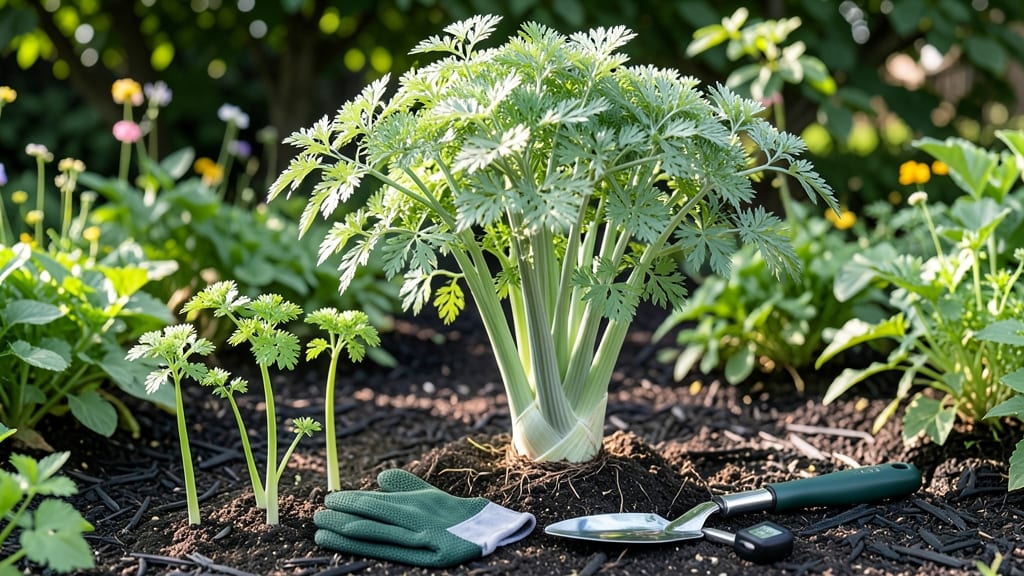
If you're dreaming of crisp, homegrown 🥬 this year, knowing when to plant celery in NC could mean the difference between a thriving garden and a bitter disappointment. North Carolina's mild winters and warm summers create perfect conditions for celery—but only if you time your planting just right.
Most gardeners in zones 6b-8a make their move between February and March for spring harvests, or again in July-August for fall crops. The key? Waiting until soil temperatures hit at least 50°F—any earlier and frost-sensitive seedlings will bolt or wilt before they ever reach maturity.
Here's what you need to know: Celery grows best with consistent moisture and partial shade, making NC's summer heat tricky. I'll walk you through the exact planting windows, soil prep secrets, and how to avoid the 5 most common mistakes that sabotage NC gardens every year.
Ready to grow celery that's sweeter and more flavorful than store-bought? Let's dive into the perfect timing and care routine for your North Carolina climate—so you can enjoy fresh harvests from May through November.
North Carolina celery planting calendar: soil temp & frost dates
North Carolina’s diverse microclimates mean your celery planting window can vary by 100 miles. Coastal areas like Wilmington enjoy earlier last frosts (mid-February), while mountain regions like Asheville face late frosts until April 15. Understanding these differences is key to avoiding frost damage or heat stress.
Celery thrives when soil temperatures stay above 50°F consistently. In most of NC (USDA zones 7a-8b), this means waiting until mid-to-late March for spring plantings. Use a soil thermometer to confirm—cold soil slows germination and leads to weak, leggy seedlings.
For a second harvest window, aim for late July plantings in cooler mountain zones or early August in the Piedmont. Fall crops must mature before first frosts, which typically arrive by November 1 in the mountains but can linger until mid-November near the coast.
| Region | Last Frost Date | First Frost Date | Ideal Planting Window | Soil Temp Threshold |
|---|---|---|---|---|
| Coastal (Wilmington) | Mid-February | Mid-November | Feb 15-March 15 July 20-Aug 15 |
50°F+ |
| Piedmont (Raleigh) | March 15 | November 1 | March 15-April 15 July 30-Aug 30 |
50°F+ |
| Mountains (Asheville) | April 15 | October 15 | April 15-May 15 July 15-Aug 15 |
55°F+ |
If you’re starting seeds indoors, begin 10-12 weeks before your region’s last frost date. For coastal NC, that’s mid-December for spring crops, while mountain gardeners should wait until mid-January. Use grow lights to prevent etiolation (weak, stretched seedlings) during NC’s short winter days.
Pro tip: Black plastic mulch warms soil faster and extends your planting window by 2-3 weeks. Lay it down 1-2 weeks before transplanting to create a warmer microclimate for sensitive celery roots.
For direct sowing (less common for celery), wait until soil is at least 60°F and nighttime temps stay above 55°F. This usually aligns with late April in the Piedmont and May in the mountains—risky timing that often results in bolting before harvest.
Remember: Celery’s slow growth rate (90-150 days to maturity) means you must plan ahead. A late March transplant in Raleigh won’t yield harvestable stalks until late June, just as summer heat arrives. That’s why many NC gardeners opt for fall plantings instead.
Use these local frost maps to refine your timing:
- NC State Extension (https://www.ces.ncsu.edu)
- Almanac’s NC Frost Calculator (adjust for elevation)
Track 7-day forecasts before transplanting—celery hates temperature swings above 85°F or below 45°F.
For container growing, adjust your window by 2 weeks earlier—pots warm up faster than soil. Just ensure containers have drainage holes to prevent root rot in NC’s humid summers.
🌱North Carolina celery planting calendar: soil temp & frost dates
North Carolina’s USDA zones 7a-8b create perfect conditions for two celery crops per year, but timing is critical. The last spring frost typically arrives around March 15 in most regions, while the first fall frost hits by November 1.
Coastal areas like Wilmington enjoy 30-45 extra frost-free days compared to mountain regions like Asheville.
Celery thrives when soil temperatures stay above 50°F—any colder and seedlings risk stunted growth or rot. In NC’s humid summers, planting too late (after June 15) often leads to bolting (premature flowering). Let’s break down the optimal planting windows for your specific region.
📅 Spring Planting Window: Start seeds indoors 10-12 weeks before last frost (typically January 15-February 1). Transplant seedlings after soil warms to 50°F (usually mid-April). Harvest by June 1 before summer heat sets in.
| Region | Last Frost Date | Ideal Planting Window | Soil Temp Threshold |
|---|---|---|---|
| Coastal (Wilmington) | March 1 | Feb 15-Mar 15 (spring) / Aug 1-15 (fall) | 50°F+ |
| Piedmont (Raleigh) | March 15 | Feb 1-Mar 10 (spring) / Jul 20-Aug 5 (fall) | 50°F+ |
| Mountains (Asheville) | April 1 | Mar 1-Apr 1 (spring) / Jul 30-Aug 10 (fall) | 55°F+ |
For fall crops, sow seeds directly outdoors 10-12 weeks before first frost (typically July 1-August 15). Use shade cloth in summer to protect seedlings from heat stress. In Zone 8b (southern NC), you can extend fall planting until August 20 for a late harvest.
Pro tip: Use a soil thermometer to confirm temperatures. Celery roots won’t develop properly below 50°F, even if frost isn’t imminent. In Asheville’s cooler microclimates, wait until soil hits 55°F for reliable germination.
Remember: Celery is a cool-season crop—it bolts quickly in summer heat. If you miss the spring window, focus on fall planting and choose heat-tolerant varieties like Golden Self-Blanching for your second attempt.