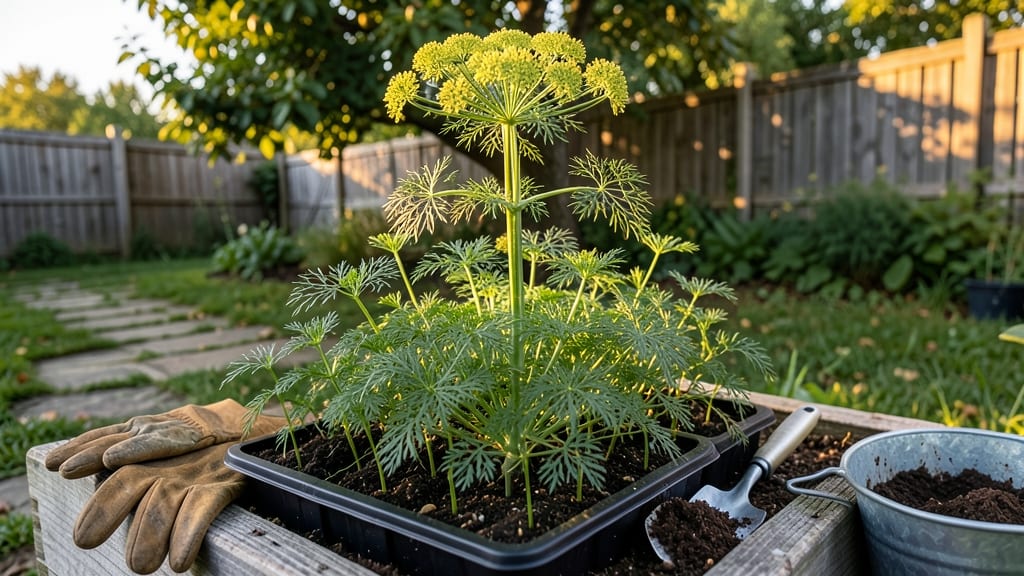
Timing your dill planting in Texas could mean the difference between a thriving herb garden and a sad, wilted disappointment. This feathery favorite 🌿 loves the Lone Star State's climate—but only if you get the window right.
Texas gardeners know the drill: plant too early, and the heat will bolt your dill before you can say "pickles." Too late, and winter freezes might stunt its growth.
The ideal months for Texas (zones 8a-10b) are late winter to early spring or early fall—but there's more to it than just dates.
Whether you're in North Texas (where frost lingers later) or South Texas (with milder winters), we'll break down the best planting schedule for your zone. You'll also discover how to extend your harvest season and avoid common mistakes that kill dill plants.
Ready to grow bold, flavorful dill all season? Let's dive into the perfect planting strategy for your Texas garden.
🌿
When to Plant Dill
Jan
❄️
Feb
❄️
Mar
🌱
Apr
🌱
May
🌸
Jun
☀️
Jul
🌱
Aug
🌿
Sep
🌿
Oct
🌱
Nov
🍂
Dec
❄️
Best months to plant dill in Texas by heat zone
Texas's diverse climate—from North Texas's chilly winters to South Texas's scorching summers—means dill thrives in two distinct planting windows. The key is avoiding extreme heat and late frosts, which can shock tender seedlings.
For USDA zones 8A-10B, I’ve mapped out the ideal months to plant dill, ensuring your feathery green harvest stays vibrant.
Dill is a cool-season crop that bolts quickly when temperatures exceed 85°F. This means spring and fall are your best bets. In North Texas (zones 8A-8B), you’ll have a slightly longer growing window than in South Texas (zones 9A-10B), where summers are relentless.
Let’s break it down by zone to pinpoint the perfect time for your garden.
🌱 Visual Guide: Best Planting Months by Texas Heat Zone
| USDA Zone |
Best Planting Window |
Temperature Threshold |
Harvest Window |
Notes |
| 8A (North TX) |
Late Feb - Early Mar
Late Aug - Early Sep |
50-75°F for germination |
April - June
Oct - Nov |
Avoid planting after April 15; heat stress risks |
| 8B (North-Central TX) |
Mid-Feb - Mid-Mar
Late Aug - Mid-Sep |
55-78°F for germination |
April - June
Oct - Mid-Nov |
Use shade cloth in June-July for late plantings |
| 9A (Central TX) |
Early Feb - Early Mar
Late July - Early Sep |
60-80°F for germination |
March - May
Sept - Oct |
Prioritize fall planting over spring |
| 9B (South-Central TX) |
Mid-Jan - Mid-Feb
Mid-July - Mid-Aug |
65-82°F for germination |
Feb - April
Aug - Sept |
Spring plantings bolt by May; focus on fall |
| 10A (South TX) |
Late Dec - Early Jan
Mid-June - Early July |
70-85°F for germination |
Jan - March
July - Aug |
Summer plantings need daily shade after 11 AM |
| 10B (Deep South TX) |
Nov - Dec
June |
75-88°F for germination |
Dec - Feb
June - July |
Year-round growth possible with container gardening |
For North Texas gardeners (zones 8A-8B), I recommend starting seeds indoors in late January for an early spring harvest. Once soil temperatures hit 50°F, transplant seedlings outdoors in late February.
This gives you a head start before the April heat sets in. In Central Texas (zone 9A), shift your focus to fall planting
How to extend dill's growing season in Texas heat
Texas summers can be brutal for dill—those 90°F+ temperatures send even hardy plants bolting faster than you can say "pickling season." But with the right strategies, you can harvest fresh dill from spring through fall. The key? Beat the heat while keeping your plants happy and productive.
Start by succession planting every 2-3 weeks in late spring and early summer. This ensures a continuous supply of young, tender leaves before mature plants succumb to heat stress. For example, plant a new batch in mid-May, June, and July—just keep them well-watered and shaded until they establish roots.
🌿 Pro Tip: Use shade cloth (30-50%) during the hottest months (June-August). This slows bolting and keeps leaves lush and flavorful without sacrificing sunlight entirely.
Container gardening is another game-changer for Texas dill. Move pots to shadier spots during peak afternoon heat (2 PM–5 PM) and place them back in full sun in the mornings. This mimics the natural shade patterns of taller plants and prevents soil from overheating. Plus, containers dry out faster, reducing fungal risks.
⚠️ Watch Out: Avoid overcrowding containers—dill needs 12–18 inches of space to thrive. Roots compete for nutrients, leading to stunted growth and early bolting.
Companion planting can also protect dill from heat stress. Pair it with heat-tolerant herbs like rosemary or thyme, which reflect sunlight and improve airflow. Another trick? Plant dill near fast-growing radishes or lettuce—these shade the soil while dill matures, keeping roots cool. Just
💡 Quick Fix: Mulch heavily with straw or wood chips to retain moisture and insulate roots during Texas heatwaves. Aim for a 2–3 inch layer around plants.
For late-season harvests, focus on fall planting (August–September). Choose heat-tolerant varieties like 'Bouquet' or 'Fernleaf', which handle 90°F+ soil temps better than standard types. Water deeply every 2–3 days in summer, then taper to weekly in fall as temperatures drop. This extends your harvest window into November in most of Texas.
🌱 Did You Know? Dill seeds germinate best in soil temps between 70–80°F. In Texas, this means planting in late summer (August–September) gives seeds the perfect warm-up before cooler weather arrives.
Finally, harvest strategically to encourage regrowth. Pinch off flower buds early to delay bolting, and cut leaves from the bottom up to promote bushier growth. With these tactics, you’ll enjoy fresh dill for pickles, soups, and salads year-round—no matter how scorching the Texas sun gets! ☀️🌿
★★★★★4.7(5 reviews)