
Plants
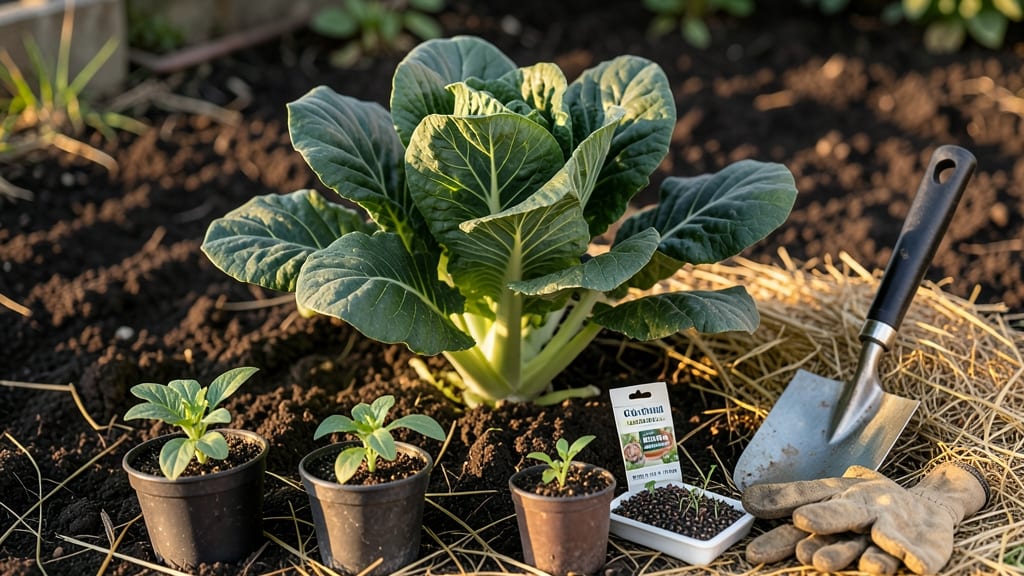
If you've ever wondered when to plant collards in Alabama, timing is the secret to avoiding bitter greens or wasted effort. Alabama's warm climate gives you two prime windows: spring and fall, but getting it wrong can mean bolting plants or stunted growth.
The key is planting 4-6 weeks before your last frost date—typically late February to early April—for a spring harvest. For fall, aim for August to early September to enjoy tender greens through November.
These windows align with Alabama's 7a-8b zones, where heat and humidity play a big role in success.
But here's the catch: summer heat can turn collards tough and bitter if planted too late. I'll show you exactly how to time your planting for peak flavor and avoid common mistakes Alabama gardeners face.
Whether you're a seasoned gardener or new to growing 🥬 collards, these science-backed strategies will help you maximize your harvest—without the guesswork.
Alabama heat-zone planting calendar for collards (with frost dates)
Alabama’s 9 distinct heat zones (USDA 7a-8b) create microclimates where collards thrive year-round. The key? Planting 4-6 weeks before last frost for spring crops and 6-8 weeks before first frost for fall harvests.
Northern Alabama (zone 7a) has earlier frost dates than southern zones like 8b, so adjust your schedule accordingly.
For most of Alabama, late February to early April is ideal for spring planting, while August to early September sets up fall harvests. Soil temperatures should reach at least 50°F for optimal germination. Use a soil thermometer to avoid cold-soil delays that stunt growth.
Pro Tip: Alabama’s humid summers can stress collards—plant heat-tolerant varieties like ‘Georgia Southern’ or ‘Vates’ if extending into July.
| Heat Zone | Last Frost Date | Spring Planting Window | Fall Planting Window | Harvest Window |
|---|---|---|---|---|
| 7a (North AL) | March 15 | Late Feb - Early Mar | Late July - Early Aug | May-June, Oct-Nov |
| 7b (Central AL) | March 22 | Late Feb - Early Apr | Early Aug - Early Sep | May-June, Oct-Nov |
| 8a (South AL) | March 28 | Early Mar - Early Apr | Mid-Aug - Mid-Sep | May-June, Oct-Nov |
| 8b (Southeast AL) | April 5 | Late Mar - Early Apr | Late Aug - Early Sep | May-June, Oct-Nov |
*Frost dates vary by county—check local AL climate data for precision.
Direct sowing works for spring collards, but transplants give you a 2-3 week head start. Start seeds indoors 6-8 weeks before last frost if you’re impatient—just harden off seedlings for 7-10 days before moving them outdoors.
Alabama’s fall collard season is my favorite—cooler temps sweeten the leaves, and you can harvest until hard frosts hit (usually mid-November). For a winter crop, plant heat-tolerant varieties in late summer and protect them with row covers when temps dip below 25°F.
Remember: Soil prep is critical. Alabama’s clay-heavy soils drain poorly—amend with compost and sand to improve aeration. Aim for a pH of 6.5-7.0; test your soil before planting to avoid nutrient deficiencies.
For urban gardeners, container-grown collards thrive in 5-gallon pots with well-draining mix. Just ensure pots get full sun and water daily in summer—containers dry out 3x faster than in-ground beds.
🌱
How to extend your collard harvest season in Alabama’s hot summers
Alabama’s summer heat can turn your collard greens bitter and tough, but with the right techniques, you can enjoy sweet, tender leaves well into October or November. The key is preventing bolting and managing heat stress—here’s how to beat the Alabama heat.
Start by choosing heat-tolerant collard varieties like ‘Georgia Southern’ or ‘Vates’, bred to thrive in Southern climates. These varieties handle 90°F+ temperatures better than standard types, giving you a longer harvest window.
🌱 Shade cloth is your best friend during peak summer. Use 30-50% shade cloth to filter harsh sunlight while still allowing airflow. Hang it 3-4 feet above plants to avoid direct contact, which can trap moisture and encourage fungal diseases.
- 🌡️ Mulch heavily with straw or wood chips to keep soil temps 10°F cooler at the roots.
- 💧 Water deeply in mornings (1-1.5 inches) to avoid wilting and leaf scorch.
- 🌱 Succession plant every 2-3 weeks from August to September for staggered harvests.
- ✂️ Harvest aggressively—cut outer leaves to encourage regrowth and reduce heat stress.
- 🌿 Use reflective mulch (like white plastic) to bounce back sunlight and lower leaf temps.
For fall planting, aim to sow seeds 6-8 weeks before your first frost (typically mid-August to early September in Alabama). This gives plants time to establish roots before cooler weather arrives. In Zone 8b (southern Alabama), you might even get a second harvest in December!
If your collards start bolting prematurely (sending up flower stalks), the heat is likely to blame. To fix this, move plants to partial shade immediately and reduce watering slightly—overwatering in heat can trigger bolting. Prune any flower stalks that appear to redirect energy to leaf growth.
🌻 With these strategies, you’ll enjoy sweet, tender collards well into Alabama’s cooler months—no bitter surprises here!