
Plants
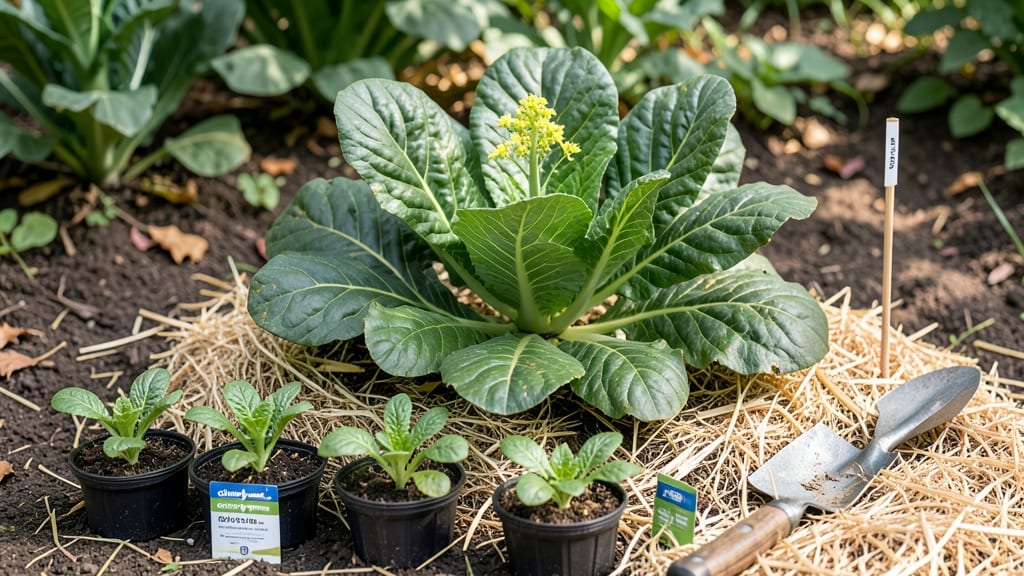
If you’ve ever wondered when to plant collards in North Carolina without risking frost damage or bitter-tasting leaves, you’re not alone. This leafy green thrives in NC’s mild winters, but timing is everything—plant too early, and you’ll battle bolting; too late, and your harvest won’t reach its peak flavor.
The key lies in understanding your heat zone, whether you’re in the Piedmont’s rolling hills or the coastal plains where frost arrives later.
For most of North Carolina’s 7a-8b zones, the ideal windows are early spring (March-April) or late summer/early fall (August-September). Spring plantings give you a summer harvest, while fall plantings let you enjoy sweet, frost-kissed greens through winter.
But here’s the catch: Piedmont gardeners in Zone 7a face earlier frosts than coastal gardeners in Zone 8b, so your exact timing depends on where you live—and how you’ll protect young plants from unexpected cold snaps.
I’ll walk you through the science-backed schedule tailored to NC’s climate, including how to adjust for microclimates and avoid common mistakes that leave gardeners frustrated. Whether you’re a first-time planter or a seasoned grower, these tips will help you maximize your 🥬 collard harvest from October through March.
Let’s get started.
Ready to turn your garden into a year-round collard powerhouse? The secret isn’t just when you plant—it’s how you prepare your soil, choose the right varieties, and protect your plants from NC’s unpredictable weather.
By the end of this guide, you’ll know exactly when to sow, transplant, and harvest for the most flavorful, frost-resistant collards your neighborhood has ever seen.
North Carolina heat zones for collard planting: frost dates by region
North Carolina’s diverse climate stretches from the cool mountain zones of the Appalachians to the humid coastal plains, creating distinct planting windows for collards.
Understanding your USDA hardiness zone (typically 7a-8b in NC) and last frost dates is critical—plant too early, and your collards will bolt; too late, and they’ll struggle in summer heat. Here’s how to map your region for perfect timing.
Collards thrive in cool-season conditions, making early spring and late summer/fall the ideal planting windows. However, NC’s microclimates mean your neighbor’s perfect timing might not work for you.
For example, Asheville (Zone 7a) has a later last frost (around April 15) compared to Wilmington (Zone 8a), where frost rarely hits before January. Use the table below to find your zone’s specifics.
If you’re unsure of your exact frost dates, use the NC State Extension’s frost calculator (link in resources) or check local weather stations. For example, Charlotte (Zone 8a) might see a late frost in March, while Durham (Zone 7b) could experience a light freeze in November.
These nuances explain why fall plantings in the Triangle often fail—gardeners assume they have more time than they do.
Pro tip: Mountain regions can have microclimates where valleys frost earlier than ridges. If you’re in Zone 7a, plant ‘Vates’ collards (a cold-hardy variety) 4–6 weeks before your first frost to ensure a harvest before winter sets in.
Coastal gardeners, meanwhile, can plant year-round with minimal frost risk, but summer heat (above 90°F) will stress plants, so focus on fall plantings for peak flavor.
For succession planting, aim to have new collards every 2–3 weeks from August through October. This ensures a continuous harvest before the first hard frost.
In Zone 8a, you might even get a second harvest in spring if you plant in January—just protect seedlings with row covers if temps dip below 40°F.
One common mistake is assuming “late summer” means August across the board. In Zone 7a, August heat can cause bolting, so wait until early September for fall plantings. Meanwhile, Zone 8b gardeners can start as early as July with shade cloth to protect young plants from intense sun.
Use this table as your NC collard planting bible, and adjust based on your elevation and local weather patterns. For example, if you’re in Hendersonville (Zone 7a), add 1–2 weeks to the recommended planting window to account for cooler mountain nights.
Your goal? Harvest collards when leaves are tender and sweet, ideally after a light frost—that’s when their flavor peaks!
Step-by-step collard planting schedule by season (with NC-specific tips)
Collards thrive in North Carolina’s cool-season windows, but timing varies dramatically between spring and fall plantings. In Zone 7A (mountains), start transplants 4-6 weeks before last frost (typically March 1-15), while Zone 8B (coastal) gardeners can plant as late as April 15 without frost risk.
For fall harvests, aim for August 1-September 15 to enjoy sweetened leaves through winter.
My go-to NC varieties are ‘Georgia Southern’ (heat-tolerant) and ‘Vates’ (cold-hardy), but always check seed packets for days-to-maturity—most collards need 60-70 days to harvest. Direct sowing in spring works, but transplants give you a 2-week head start against bolting.
🌱 PRO TIP: Use a frost-free calculator (like NC State Extension’s) to pinpoint your exact last frost date—coastal areas like Wilmington average March 15, while Asheville’s last frost can hit April 15. This tool is a game-changer for avoiding late-season surprises.
📋 Step-by-Step NC Collard Planting Schedule
- 🌱 Early Spring (March-April): Start transplants indoors (4-6 weeks before last frost) or direct-sow when soil reaches 50°F. Use row covers if nights dip below 40°F.
- 🌿 Spring Planting: Space plants 12-18 inches apart in full sun. Thin seedlings to strongest stems to prevent competition.
- ☀️ Summer Care: Mulch with straw to retain moisture. Water deeply 2-3x/week—collards wilt fast in NC’s 90°F+ heat.
- 🍂 Late Summer (August): Sow second crop for fall harvest. Choose shade-tolerant varieties if planting near trees.
- ❄️ Fall Harvest: Leaves taste sweeter after frost! Protect with row covers if temps drop below 25°F.
One critical NC-specific tip: Avoid planting collards in May-June—the heat causes bolting (premature flowering). Instead, let your spring crop bolt naturally and save seeds for next year! For succession planting, stagger sowings every 2 weeks in spring/fall to ensure a continuous harvest.
In Piedmont regions (like Raleigh), I’ve had success with black plastic mulch to warm soil early—this lets me plant 2 weeks sooner than garden centers recommend. For coastal gardeners, prioritize drainage; sandy soils dry out fast, so drip irrigation is a must during summer.
Finally, harvest collards young (6-12 inches) for tender leaves, or let them mature for heartier texture. In NC’s Zone 7B, I’ve kept collards producing until February by covering them with straw bales during hard freezes.
With the right timing, your collards can feed you from fall to spring—no greenhouses needed!