
Plants
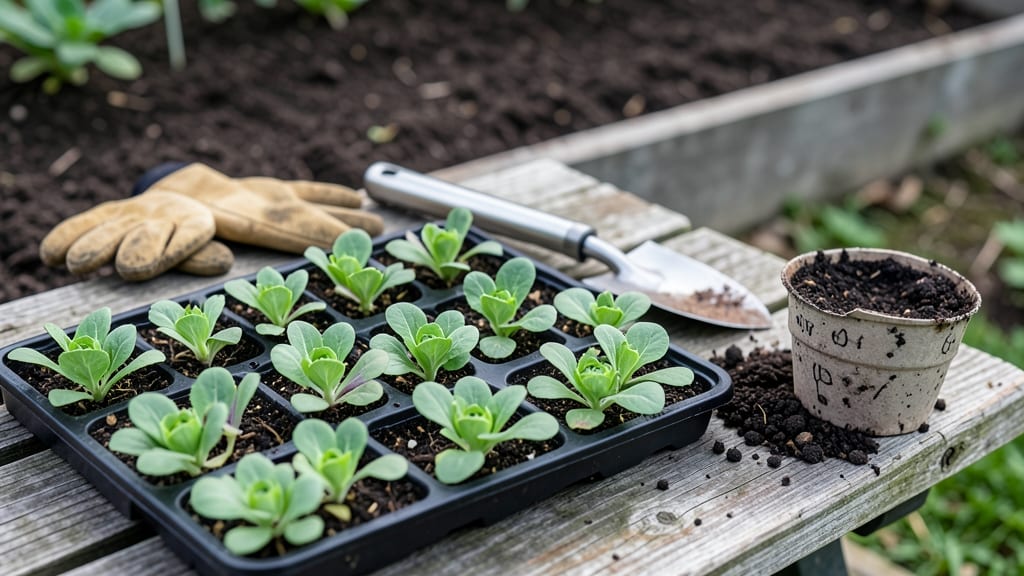
Timing your 🥬 cabbage planting in North Carolina isn't just about the calendar—it's about outsmarting frost, heat, and unpredictable weather before your harvest even gets a chance to shine. One wrong move, and you're staring at wilted leaves or bolting plants before they reach their prime.
This state's 7a-8b climate zones create a tricky balancing act: plant too early, and frost zaps your seedlings; too late, and summer heat sends your cabbage running to seed. The sweet spot? March-April for spring crops and August-September for fall harvests—but your exact county makes all the difference.
I've dug into the data to give you the county-specific breakdown you need, from Asheville's cooler highlands to Wilmington's extended growing season. Whether you're starting seeds indoors or sowing directly, these dates will help you avoid the most common mistakes.
Let's cut through the guesswork so you can enjoy crisp, homegrown 🥬 cabbage from May through November—without the frost-related heartbreak. Ready to plant with confidence?
North Carolina cabbage planting dates by climate Zone: avoid frost damage
North Carolina’s three distinct climate zones—Coastal Plain, Piedmont, and Mountains—create wildly different cabbage planting windows. The Coastal Plain enjoys milder winters, while the Mountains face earlier frosts. Timing your spring and fall crops correctly ensures your 🥬 heads mature before frost strikes.
Frost is cabbage’s worst enemy. A single hard freeze can blacken leaves and ruin tender heads. The USDA zones 7a-8b in NC mean your last frost date ranges from mid-March in the coast to late April in the mountains. Plan accordingly to avoid wasted seedlings or bolted plants.
For spring planting, aim to transplant seedlings 4-6 weeks before your last frost. This gives roots time to establish before warm weather arrives. In the Coastal Plain, that’s often mid-February to early March, while Mountain gardeners should wait until late March to April.
Fall crops need even more precision. Start seeds 100-120 days before your first frost (typically mid-November). In the Piedmont, this means late July to early August transplants, while Coastal gardeners can push it to early September.
🌱 Key Takeaway: Your microclimate matters. Check your local frost dates (NC State Extension has county-specific data) and adjust by 1-2 weeks if your yard is in a frost pocket or sheltered valley.
| Zone | Last Frost Date | Spring Planting Window | Fall Planting Window | Harvest Window |
|---|---|---|---|---|
| Coastal Plain | Mid-March | Feb 15 - Mar 15 | Aug 1 - Sep 15 | May-Jun & Oct-Nov |
| Piedmont | Late March | Mar 1 - Apr 1 | Jul 15 - Aug 15 | May-Jun & Sep-Oct |
| Mountains | Late April | Apr 1 - May 1 | Jul 1 - Aug 1 | Jun-Jul & Sep-Oct |
*Adjust dates 1-2 weeks earlier for high-altitude or frost-prone areas.
Direct sowing seeds is an option, but transplants give you a head start. Start seeds indoors 6-8 weeks before transplanting (use grow lights if natural light is weak). For Coastal gardeners, this means January starts, while Mountain growers can wait until February.
Soil temperature is critical. Cabbage seeds won’t germinate well below 45°F. Use a soil thermometer to confirm readiness. In cooler zones, black plastic mulch can warm soil by 5-10°F, speeding up germination.
Don’t forget succession planting! For a continuous harvest, sow new seeds every 2 weeks during your planting window. This ensures you’re never without fresh 🥬 from spring through fall.
Pro tip: If you’re in Zone 8b (like the Coastal Plain), you can even try an early fall crop by planting in June. Use shade cloth to protect seedlings from summer heat until they establish.
Always monitor weather forecasts in late spring. A late frost can devastate young plants. Have row covers ready to protect tender seedlings if frost is forecasted.
County-specific cabbage planting calendar: from Asheville to Wilmington
North Carolina’s 100+ counties experience wildly different frost patterns—mountain regions like Asheville can plant 4 weeks earlier than coastal areas like Wilmington. Use this county-specific guide to time your cabbage transplants perfectly for zero frost risk.
For spring planting, start seeds indoors 4-6 weeks before your county’s last frost date. In fall, begin seeds 100-120 days before the first frost to ensure mature heads before winter.
Soil temperature is critical—cabbage seeds need 40-50°F soil to germinate. Warmer regions like Craven County can plant 2-3 weeks earlier than cooler Haywood County.
For direct sowing (skipping transplants), adjust dates 2-3 weeks later—seeds need extra time to establish. Use row covers to extend spring planting 2 weeks earlier in cooler zones.
Verify local frost dates using the NC State Extension’s Frost Calculator—some years can vary 7-10 days from averages. Always plant cabbage varieties suited to your region (e.g., ‘Golden Acre’ for heat tolerance).