
Plants
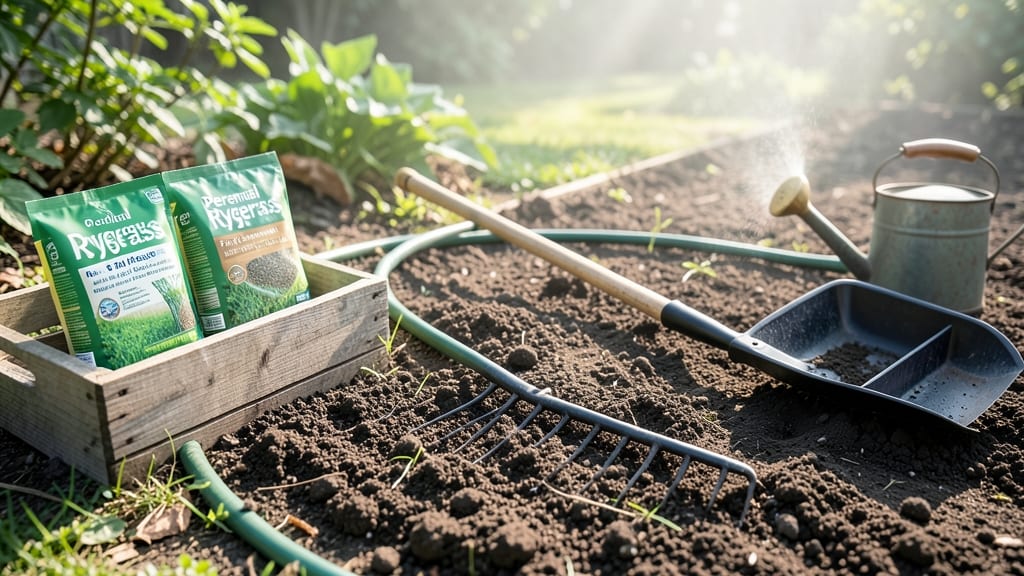
Planting Grass (Turfgrass) 🌱 in Michigan isn’t just about grabbing a bag of seed—it’s about timing it right to beat the state’s unpredictable weather. Miss the ideal window, and you’ll end up with patchy growth, wasted money, or a lawn that never quite takes off.
The 5b-6b USDA zone means Michigan’s climate swings between harsh winters and quick temperature shifts, making the difference between spring and fall planting a game-changer. Too early, and frost will kill your seeds; too late, and weeds or heat will outcompete them before they get a foothold.
I’ve seen firsthand how a few weeks’ difference can mean the difference between a lush, weed-free lawn and one that’s struggling to fill in.
In this guide, I’ll break down the exact deadlines for Michigan—when to plant, how to prep your soil, and what to watch for so your grass stands a fighting chance.
Whether you’re tackling a new yard or reviving an old one, these insights will help you avoid common pitfalls and get that green carpet you’ve been dreaming of. Let’s get started.
Michigan grass seed planting deadlines by season: USDA Zone 5B/6A rules for success
Michigan’s USDA Zones 5B and 6A create a unique challenge for grass seed planting—cool springs and early falls demand precise timing. Cool-season grasses like Kentucky Bluegrass and Tall Fescue thrive when planted in early spring or fall, but the exact window depends on your region.
Southern Michigan (e.g., Detroit) enjoys 2-3 weeks earlier planting than northern areas (e.g., Traverse City).
For spring planting, aim for 4-6 weeks after the last frost date, typically mid-April to early May in most areas.
Northern Michigan may wait until late May due to slower soil warming. Fall planting should occur 4-6 weeks before the first frost, usually mid-September to early October, with northern regions pushing closer to late September.
Soil temperature is your best indicator—seeds need 50-60°F (10-15°C) for optimal germination. Use a soil thermometer to confirm readiness, especially in northern Michigan, where cooler soils delay planting. Southern Michigan can start earlier, but avoid planting if nighttime temps dip below 40°F (4°C).
Key regional differences: Detroit’s last frost averages April 15, while Traverse City’s can linger until May 10. Adjust your planting window accordingly—northern lawns need patience, while southern lawns can start 2 weeks earlier without risking frost damage.
| Season | Ideal Planting Window | Soil Temp Requirement | Regional Adjustments |
|---|---|---|---|
| Spring | Mid-April to early May | 50-60°F (10-15°C) | Southern MI: Start earlier; Northern MI: Wait until late May |
| Fall | Mid-September to early October | 50-60°F (10-15°C) | Northern MI: Push to late September; Southern MI: Can start earlier |
| Avoid | Summer heat (June-August) | N/A | Seeds dry out; weeds outcompete new grass |
| Critical Tip | Test soil moisture | Moist but not soggy | Use a screwdriver: Push 6" deep; soil should resist slightly |
Missed the ideal window? Fall planting is more forgiving because cooler temps reduce weed competition and drought stress. Spring planting risks weeds and dry spells, but Kentucky Bluegrass germinates faster in warm soil, making it a better choice for early spring sowing if conditions are right.
Northern Michigan’s shorter growing season means prioritizing fast-germinating seeds like Tall Fescue or Fine Fescue, which tolerate cooler soils. Southern Michigan can handle Kentucky Bluegrass or Perennial Ryegrass blends, which establish quicker in warmer conditions.
Always check your local frost dates—the Michigan State University Extension provides updated forecasts. Pro tip: Mark your calendar 4-6 weeks before/after the average frost date to align with Michigan’s USDA Zone 5B/6A guidelines.
For urban areas like Grand Rapids or Lansing, heat islands can push planting 1 week earlier in spring due to warmer microclimates. Rural areas may need to wait 5-7 days longer for soil stability.
Remember: Consistency matters more than dates. A well-prepped soil bed with proper moisture and light will outperform a rushed planting. Test your soil for pH (ideal: 6.0-7.0) and amend with compost or lime if needed before seeding.
5 Critical factors that determine the best planting time in Michigan (beyond dates)
Michigan’s cool-season climate means soil temperature and moisture levels often dictate success more than calendar dates. Unlike warmer regions, Michigan’s cool-season grasses like Kentucky Bluegrass and Tall Fescue thrive when soil temps hover between 50°F and 65°F—too hot or too cold, and germination stalls.
Even if the calendar says "spring," late frost risks can delay planting until after Mother’s Day in northern zones.
Another game-changer is rainfall patterns. Michigan’s spring showers can create ideal moisture, but drought-like conditions in early fall may require supplemental watering to keep seeds viable.
I’ve seen seedlings fail in Traverse City during dry Septembers despite "perfect" planting dates. Always check weekly rainfall forecasts before committing to a schedule.
🌱
Don’t overlook soil pH—Michigan’s clay-heavy soils often test acidic (pH 5.5–6.5). Cool-season grasses prefer 6.0–7.0. A simple $20 soil test kit from your local MSU Extension office can save you from poor germination or nutrient deficiencies.
I once amended my Detroit lawn with lime after testing pH 5.2—my Kentucky Bluegrass grew 30% thicker the next season.
Finally, seed selection matters. Tall Fescue tolerates shade and drought, making it ideal for northern Michigan’s shorter growing seasons. Meanwhile, Fine Fescue thrives in acidic soils common in Upper Peninsula regions.
Always check the seed bag label for USDA Zone 5B/6A suitability—some blends are formulated for warmer climates and won’t survive Michigan winters.
🌿
Pro tip: If you’re renting or unsure about timing, opt for perennial ryegrass—it germinates in 5–7 days and holds soil until slower grasses (like Kentucky Bluegrass) establish. It’s my go-to for late-September plantings in Grand Rapids when frost looms.