
Flowers
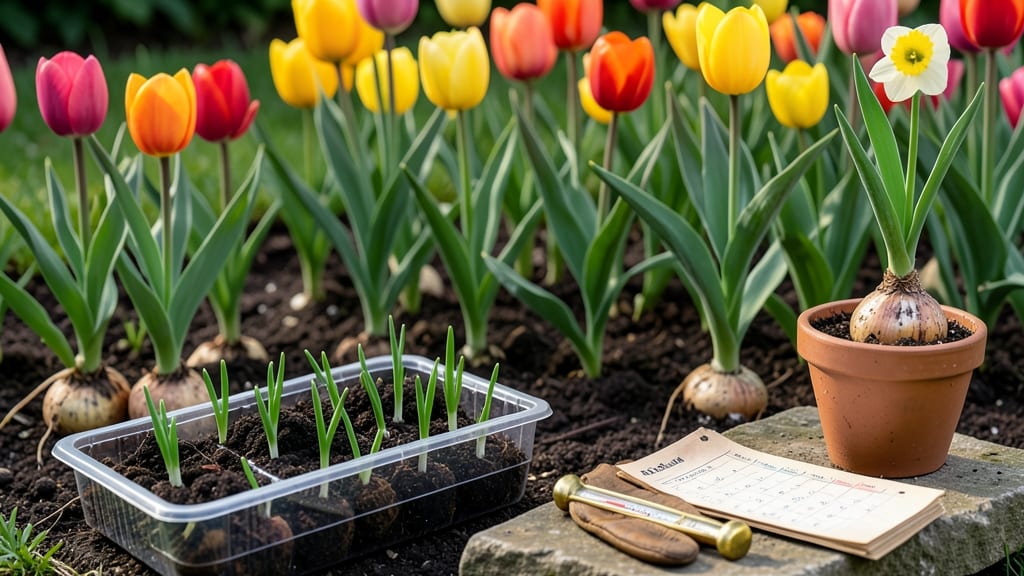
Timing your spring flower planting just right can mean the difference between a garden bursting with 🌸 vibrant blooms and sad, frost-nipped disappointment. The key?
Waiting until after your region's last frost date—typically between late April and early May in USDA Zone 6a—but that window shifts dramatically depending on where you live.
I've learned the hard way that planting too early risks losing delicate seedlings to surprise frosts, while waiting too long can stunt growth before summer's heat arrives.
Whether you're growing annuals that need warmth or hardy perennials that can handle cooler soil, knowing your exact planting deadline transforms guesswork into a guaranteed success strategy.
What you'll discover here is how to pinpoint your local frost-free date using simple weather cues, adjust planting times for different flower types, and prepare your soil for maximum growth. We'll even cover how to extend your season with protective techniques that work in any climate zone.
Let's turn your spring planting from a stressful gamble into a confident, bloom-filled celebration—no matter where you garden.
USDA Zone-specific last frost dates for planting flowers safely
Planting flowers in spring is all about timing—specifically, avoiding those sneaky late frosts that can turn tender seedlings into sad, mushy memories. Your USDA zone determines when it’s safe to plant, but regional microclimates (like valleys or coastal areas) can shift those dates by weeks.
For example, Zone 3 gardeners might wait until mid-May, while Zone 10 can plant as early as February. The key? Know your last average frost date and add a safety buffer of 2–4 weeks.
Most gardeners rely on USDA zone maps to estimate frost dates, but local weather patterns can throw off predictions. For instance, the Pacific Northwest often sees frost-free soil earlier than the Midwest, even in the same zone.
To hedge your bets, use a frost-free calculator (like the Old Farmer’s Almanac) or check your local Cooperative Extension Service for hyper-local data. Planting too early risks frost damage, while waiting too long may mean missed blooms.
Here’s the golden rule: Wait until the soil temperature reaches at least 60°F (15°C) for most flowers. Cold soil slows root growth, and seedlings struggle to establish. Use a soil thermometer to check—if it’s cooler, delay planting or use row covers to warm the soil faster.
For tender annuals like impatiens or petunias, wait until nighttime temperatures consistently stay above 50°F (10°C).
🌱 USDA Zone Planting Windows for Spring Flowers
| Zone | Last Frost Date (Avg.) | Safe Planting Window | Notes |
|---|---|---|---|
| 3–4 | Mid-May | Late May to early June | Start cold-hardy flowers (pansies, snapdragons) indoors in March. |
| 5–6 | Early May | Mid-May to early June | Hardy perennials (coneflowers, black-eyed Susans) can go in by late April. |
| 7–8 | Mid-April | Late April to May | Tender annuals (marigolds, zinnias) safe after last frost. |
| 9–10 | Late February | March to early April | Year-round planting possible; use shade cloth in summer. |
🌡️ Pro Tip: Adjust for high-altitude areas (e.g., Denver) by adding 1–2 weeks to frost dates.
Not all flowers play by the same rules. Perennials like peonies or daylilies can often be planted in early spring (as soon as the ground is workable), while annuals like geraniums or begonias need warmer soil. Bulbs like tulips or daffodils, however, should be planted in fall—spring planting is too late for them to establish roots before summer heat.
Always check the seed packet or plant tag for specific instructions, as some varieties (like calendulas) tolerate light frosts.
Regional quirks matter too. In the Deep South (Zones 7–10), heat can be the bigger enemy than frost—plant heat-tolerant varieties like lantana or pentas in early spring to beat the summer sun.
Meanwhile, in Zone 4 or colder, consider starter plants instead of seeds to give flowers a head start. Seedlings take longer to mature, leaving them vulnerable to late frosts. For extra protection, use frost blankets or cloche tunnels to create a microclimate around young plants.
One common mistake? Planting based on calendar dates instead of weather patterns. A heatwave in March might trick you into planting early, only for a sudden freeze to strike. Instead, track nighttime lows—if temps dip below 40°F (4°C), cover your plants or delay planting.
Use a frost alarm or local weather app for real-time alerts. Even in Zone 10, unexpected cold snaps can occur, so stay flexible.
For container gardening, timing shifts slightly. Potted flowers warm up faster, so you can plant 1–2 weeks earlier than in-ground varieties. Just ensure your containers have drainage holes and use lightweight potting mix to prevent overheating.
If you’re in a transitional zone (like Zone 6b), opt for slow-to-germinate seeds or transplants to avoid the rush. This gives you a buffer if frost lingers.
Finally, don’t overlook soil preparation—
How to adjust planting times for cold-hardy vs. frost-sensitive flowers
Not all flowers share the same frost tolerance, which means their planting windows can vary dramatically. Cold-hardy varieties like pansies and snapdragons can handle light frosts, while frost-sensitive flowers such as impatiens or petunias need warmer soil to thrive.
Adjusting your planting schedule based on these differences ensures your garden thrives from the first bloom to the last frost.
For cold-hardy flowers, you can often plant them 2-4 weeks before your last frost date.
These resilient plants can withstand temperatures as low as 25°F (-4°C), making them ideal for early spring or late fall planting. Pansies, violas, and stock are excellent choices for cooler climates, as they’ll bounce back from light frosts with minimal stress.
On the other hand, frost-sensitive flowers like geraniums, marigolds, and begonias require soil temperatures of at least 60°F (15°C) to germinate successfully. Planting these too early can result in stunted growth or even death. Use a soil thermometer to check temperatures before committing to the garden bed.
Cold-Hardy vs. Frost-Sensitive Flowers
| Type | Planting Window | Soil Temp Requirement | Protection Needed |
|---|---|---|---|
| Cold-Hardy | 2-4 weeks before last frost | 40-50°F (4-10°C) | Light mulch or row cover |
| Frost-Sensitive | After last frost date | 60°F+ (15°C+) | Row covers or greenhouse |
To extend the growing season for frost-sensitive flowers, consider using row covers or cold frames to create a microclimate. These protective layers can raise soil temperatures by 5-10°F (3-6°C), allowing you to plant earlier in the spring or later in the fall.
For example, tomato plants (though not flowers) often benefit from this technique, but the same logic applies to delicate blooms like impatiens.
Mulching is another simple yet effective strategy. A 2-3 inch layer of mulch insulates the soil, keeping it warmer longer and protecting tender roots from temperature swings. Organic mulches like straw or shredded leaves also retain moisture, reducing the need for frequent watering during the critical early growth stages.
If you’re unsure about your local frost dates, monitor local weather patterns and use plant-specific cues like the blooming of dandelions or the leaf-out of trees. These natural indicators often signal that the frost risk has passed, giving you a reliable alternative to calendar-based planting schedules.
Finally, always have a backup plan. If an unexpected late frost threatens your garden, cover young plants with frost cloth or bring potted flowers indoors temporarily. With these adjustments, you’ll maximize your blooms while minimizing frost-related setbacks.