
Flowers
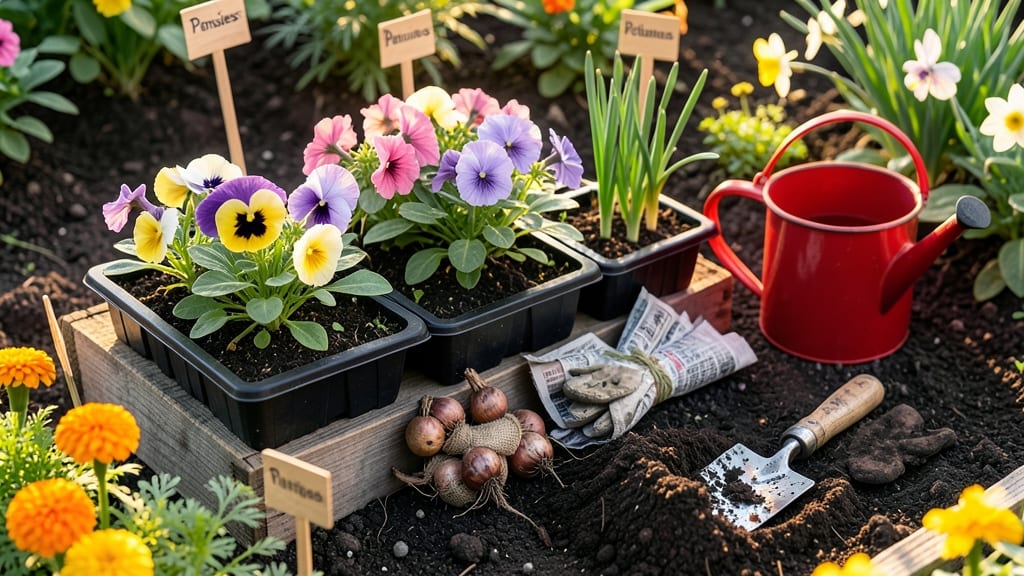
Timing your spring flower planting wrong can mean wilted dreams before blooms—knowing the exact weeks before your last frost is the secret to vibrant gardens.
In Zone 6a, where I garden, the average last frost date of April 15th means your planting window opens sooner than you might think, but rushing too early can leave delicate 🌸 vulnerable to surprise chills.
Most gardeners wait until after the last frost date to plant tender annuals like petunias or marigolds, but hardy perennials and cool-season blooms can handle earlier starts.
The key is understanding your microclimate—whether you're in a sheltered valley or a windy hilltop can shift your ideal planting date by 2 weeks or more.
I’ll walk you through the precise timing for your region, from seed-starting indoors to transplanting directly into soil. You’ll learn which flowers thrive when planted 4-6 weeks before frost and which need to wait until the ground warms to 60°F—plus how to adjust for your local conditions.
Skip the guesswork and get your garden blooming on time with this foolproof guide. Whether you're a first-time gardener or a seasoned pro, these tips will help you avoid common mistakes and maximize your 🌸's potential all season long.
Spring flower planting schedule by USDA Hardiness Zones
Getting your spring flower planting timing right means the difference between a burst of color and a sad, brown garden. The key? Knowing your USDA Hardiness Zone and counting back 4-10 weeks from your last frost date. Let’s break it down by zone so you can plant with confidence.
For annual flowers, aim to plant 2-4 weeks before your last frost date in Zones 9-10, where winters are mild. In Zones 3-5, you’ll need to wait 4-6 weeks after your last frost to avoid late-season frosts that can kill tender seedlings.
Perennials are hardier and can often go in 2-4 weeks before your last frost in Zones 6-8. But if you’re in Zone 5 or colder, start perennial seeds indoors 6-8 weeks before your last frost to give them a head start.
Here’s your zone-by-zone planting schedule with exact weeks before last frost for both annuals and perennials:
| Zone | Annuals (Weeks Before Last Frost) | Perennials (Weeks Before Last Frost) | Example Flowers |
|---|---|---|---|
| 3-4 | 4-6 weeks after last frost | 2-4 weeks before last frost (or start indoors) | Pansies, Snapdragons, Coneflowers |
| 5-6 | 2-4 weeks before last frost | 2-4 weeks before last frost | Marigolds, Petunias, Black-Eyed Susans |
| 7-8 | 2-3 weeks before last frost | 1-2 weeks before last frost | Zinnias, Dahlias, Lavender |
| 9-10 | 1-2 weeks before last frost (or year-round in mild climates) | Anytime (except winter) | Geraniums, Impatiens, Roses |
If you’re in Zone 5, like much of the Midwest, your last frost is typically around April 15. That means you should plant annuals like marigolds 4 weeks before, or around March 15.
For perennials like coneflowers, you can plant them 2 weeks before your last frost, or around April 1.
In Zone 9, where last frosts can happen as late as February 15, you can plant annuals like zinnias as early as January 15. But always check your local frost dates—they can vary by 1-2 weeks depending on your exact location.
Pro tip: Use a soil thermometer to ensure your soil is at least 60°F before planting. Cold soil can stunt growth and delay blooming.
Don’t forget to harden off seedlings if you started them indoors. This means gradually exposing them to outdoor conditions over 7-10 days before planting to avoid shock.
Once your flowers are in the ground, mulch around the base to retain moisture and keep roots cool. This is especially important in Zones 7-10, where spring can bring sudden heat spikes.
Timing isn’t everything, but it’s 80% of the battle when it comes to successful spring flower planting. Follow this schedule, and you’ll be rewarded with bold blooms all season long.
Best flowers to plant early vs late spring (with frost tolerance ratings)
Spring flowers vary wildly in their tolerance for chilly temperatures, and planting the wrong type too early can mean sad, frost-nipped blooms. Cold-hardy annuals like pansies and snapdragons can handle light frosts, while frost-sensitive varieties like petunias and impatiens need to wait until all danger of frost has passed.
Understanding these differences helps you plan your garden for maximum blooms all season long.
The key is matching your local frost dates with each flower’s cold tolerance rating. For example, pansies can survive temperatures down to 20°F, while marigolds need at least 50°F soil temperatures to thrive.
Let’s break down the best flowers for early planting versus those that need to wait for warmer weather, along with their frost tolerance ratings.
For early spring planting (4-6 weeks before your last frost), focus on cold-hardy annuals and perennials that can handle cooler temperatures. Pansies and violas are my top picks—they’ll brighten your garden with cheerful blooms even in chilly weather.
You can also sow snapdragons and sweet alyssum directly into the soil as soon as the ground is workable. These flowers not only tolerate light frosts but also add early color when many other plants are still dormant.
If you’re in a warmer climate (USDA Zones 8-10), you can plant frost-sensitive flowers like petunias and impatiens as early as February or March, but in cooler zones (Zones 3-7), wait until 2-4 weeks after your last frost date.
For these varieties, I recommend starting seeds indoors 6-8 weeks before your last frost to give them a head start. Use grow lights or place them near a south-facing window to ensure they get enough light during their early growth stages.
Late spring planting (after your last frost) is ideal for heat-loving flowers like sunflowers, zinnias, and cosmos. These varieties thrive in warmer soil temperatures (60°F+) and will reward you with bold, long-lasting blooms throughout the summer.
Just be sure to harden off your seedlings before transplanting them outdoors to avoid shock. Hardening off means gradually exposing them to outdoor conditions over 7-10 days, starting with a few hours of sunlight and increasing the time each day.
One common mistake I see is planting frost-sensitive flowers too early, only to have them wilt or die from unexpected late frosts. Always check your local frost dates and adjust your planting schedule accordingly.
You can find this information from your local cooperative extension office or by using online tools like the Old Farmer’s Almanac. Another tip: if you’re unsure about your frost dates, err on the side of caution and wait a little longer.
Better to have a few extra weeks of waiting than to lose your entire planting to a surprise frost.
Finally, don’t forget to prepare your soil properly before planting. Amend it with compost or well-rotted manure to improve drainage and fertility. For container-grown flowers, use a high-quality potting mix with added perlite or vermiculite to prevent compaction.
Water deeply after planting to help roots establish, and mulch around the base of your plants to retain moisture and regulate soil temperature. With the right timing and care, your spring flowers will thrive