Planting
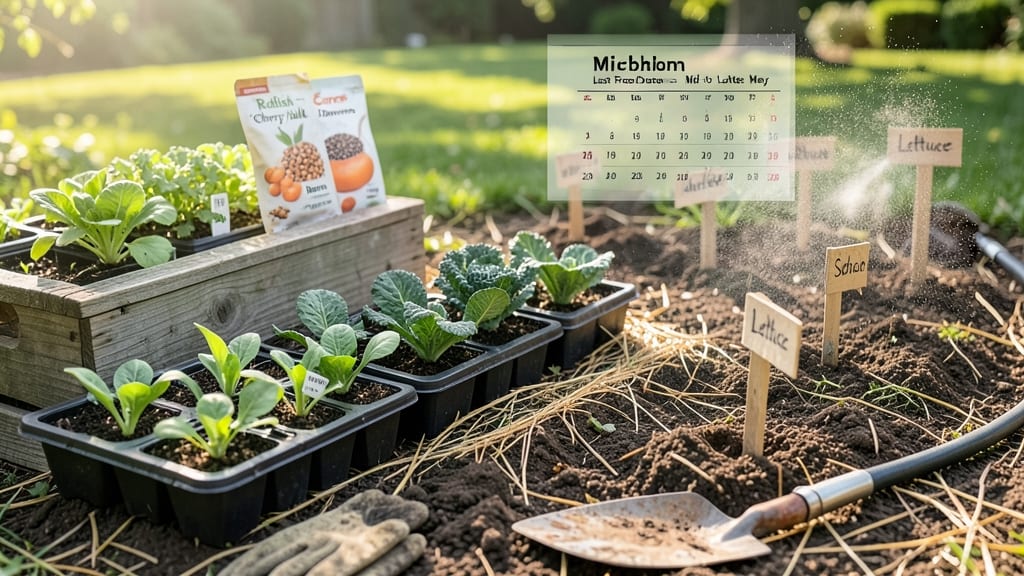
When can I plant my garden in Michigan isn’t just about waiting for spring—it’s about outsmarting frost, soil temperatures, and regional quirks that can turn your 🌱 General Garden Vegetables & Flowers into a gamble. With last frosts creeping from mid-May in the Upper Peninsula to late May in southern zones, one wrong move could leave your tomatoes shivering or your lettuce bolting too soon.
You’ve got more control than you think. The key lies in knowing your USDA zone (5a-6b) and when soil warms to 50°F—not just air temperature.
I’ll break down the exact windows for cool-season crops (like spinach) that thrive in chilly soil and warm-season stars (like peppers) that need heat, plus how to adjust if Mother Nature throws a curveball.
What happens when frost lingers past your ideal planting date? Don’t panic—we’ll cover 5 backup strategies to stretch your season, from row covers to heat-loving varieties that defy Michigan’s mood swings. Whether you’re in Detroit or the Thumb, you’ll leave here with a clear timeline and confidence to start sowing.
Ready to turn guesswork into green thumbs? Let’s map out your perfect planting calendar, zone by zone, so you can enjoy fresh tomatoes by July and crisp fall greens without the stress.
Michigan last frost dates by USDA Zone: when to plant cool vs warm season crops
Michigan’s USDA zones 4a-6b create a patchwork of planting windows, where Northern Michigan (like Marquette) can face 3 weeks later last frosts than Southern Michigan (like Detroit). Knowing your exact zone and historical frost trends is the difference between a thriving garden and a sad, frozen seed packet.
For cool-season crops like spinach, peas, and kale, you can start 4-6 weeks before your last frost date—even in Zone 4a.
But warm-season crops (tomatoes, peppers, cucumbers) need soil temperatures above 50°F and no frost risk, which typically means waiting until mid-May to early June in most areas.
🌱 Pro Tip: Use the National Weather Service’s frost data or your local cooperative extension office to pinpoint your area’s 3-year average last frost date. For example, Traverse City (Zone 5b) averages May 10, while Grand Rapids (Zone 6a) hits May 5.
Here’s the breakdown you need to plan your 2024 Michigan garden—including backup planting dates for when Mother Nature throws a curveball.
| USDA Zone | Avg. Last Frost | Cool-Season Planting Window | Warm-Season Planting Window | Fall Planting Window |
|---|---|---|---|---|
| 4a (Upper Peninsula) | June 1 | April 15–May 1 (hardy crops) | June 15–July 1 | August 1–15 |
| 4b (Northern Lower) | May 20 | April 1–April 15 | May 25–June 10 | July 30–August 10 |
| 5a (Central) | May 10 | March 20–April 1 (indoor starts) | May 15–May 30 | August 1–15 |
| 5b (Southern) | May 5 | March 15–March 30 (indoor) | May 1–May 15 | July 30–August 10 |
| 6a (Detroit, SE) | April 25 | March 1–March 15 (outdoor) | April 25–May 10 | July 20–July 30 |
| 6b (Thumb Region) | April 15 | February 28–March 15 (outdoor) | April 15–April 30 | July 15–July 25 |
Notice how Zone 6b (like the Thumb Region) can plant warm-season crops like tomatoes as early as April 15, while Zone 4a (Upper Peninsula)
5 Backup strategies for late or early frosts in Michigan gardens
Michigan’s unpredictable frost patterns can derail even the best-laid gardening plans. If you’ve ever watched your tomato seedlings shiver under a surprise May frost or struggled with late-season heat waves, you know how crucial backup strategies are.
These 5 proven tactics will help you extend planting windows and protect your garden—no matter what Mother Nature throws your way.
First, row covers are my go-to for early spring planting. Made from lightweight fabric, they raise soil temperatures by 5-8°F and shield tender plants like spinach or kale from late frosts. Just drape them over hoops or stakes—remove them when daytime temps hit 70°F to avoid overheating.
For Northern Michigan gardens (Zone 4a), I’ve even used them until late May to safely plant peppers and eggplants.
Next, cold frames act like mini greenhouses, trapping heat during the day and insulating plants at night. They’re perfect for hardening off seedlings or growing cool-season crops like lettuce in fall gardens.
A simple DIY cold frame can be built with clear plastic sheets and wooden frames—just ensure good ventilation to prevent fungal diseases. In Zone 5b (like Grand Rapids), I’ve used cold frames to plant onion sets as early as March 15.
For warm-season crops like tomatoes or peppers, succession planting is a game-changer. Instead of planting everything at once, sow bush beans or radishes every 2 weeks from late May to early July.
This ensures a steady harvest and minimizes losses if a late frost hits. In Zone 6a (like Ann Arbor), I’ve used this method to enjoy fresh cucumbers from July to September.
If your garden faces early frosts, opt for heat-tolerant varieties. Plants like ‘Black Seeded Simpson’ lettuce or ‘Early Girl’ tomatoes thrive in warmer conditions and can handle brief heatwaves better than traditional varieties.
Pair them with mulch to retain soil moisture and reduce temperature swings. In Southern Michigan (Zone 6b), these varieties let me extend my tomato season by 3-4 weeks.
Lastly, container gardening offers flexibility—move pots to protected spots during late frosts or scorching afternoons. This works especially well for herbs like basil or small veggies like bush beans. Just ensure containers have drainage holes and use lightweight soil mixes to prevent root rot.
In urban Detroit gardens, I’ve used this trick to grow fresh greens even in July heat.