Planting
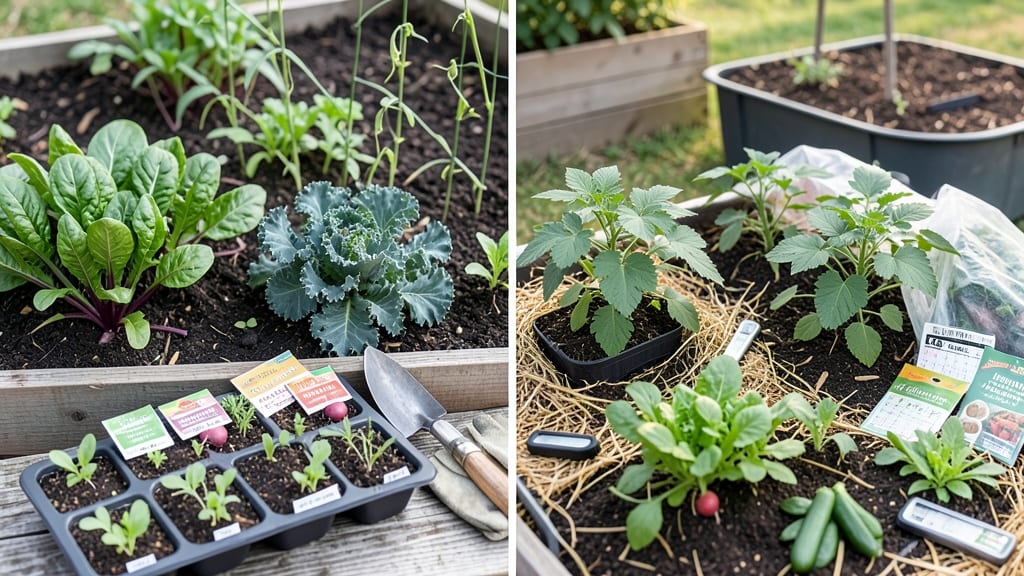
Figuring out when is the best time to plant a garden in Michigan can feel like guessing—will your tomatoes survive an unexpected frost, or will your lettuce bolt in the heat?
The truth is, Michigan’s 5b-6b zones and regional frost dates mean timing is everything, and getting it wrong can cost you the whole season.
If you’ve ever stared at a seed packet wondering, "Should I plant now or wait?", you’re not alone. Michigan’s climate throws curveballs, with last frost dates shifting from mid-April in the south to as late as May in the Upper Peninsula.
But here’s the good news: with the right county-specific deadlines, you can plant with confidence—whether you’re growing crisp lettuce or heat-loving peppers.
In this guide, I’ll break down the exact windows for spring and fall planting, so you never miss a beat. You’ll learn how to adjust for your exact location, avoid common mistakes, and even stretch your growing season with clever tricks.
Let’s get your 🌱 Vegetable Garden off to the best possible start!
No more second-guessing—just a foolproof plan tailored to Michigan’s quirks. Ready to dig in?
Michigan’s last frost dates by region: when to plant cool-season vs warm-season crops
Michigan’s last frost dates vary dramatically from the Lower Peninsula to the Upper Peninsula, making timing everything for a successful garden.
In southern Michigan (like Washtenaw County), you might see last frost dates as early as April 15, while northern regions (like Marquette) often wait until May 15.
These differences mean your cool-season crops (like lettuce and peas) can go in weeks earlier in Zone 6 than in Zone 4.
For warm-season crops like tomatoes and peppers, you’ll need to wait until the soil warms to at least 50°F (10°C), which typically happens 2-4 weeks after the last frost.
In southern Michigan, that’s often by late April, but in northern Michigan, you might be waiting until early June. This regional spread is why county-specific planning is non-negotiable for Michigan gardeners.
🌱 PRO TIP: Use the Michigan State University Extension’s Frost Date Calculator to pinpoint your exact last frost date based on your ZIP code. This tool accounts for local microclimates, like Great Lakes influences that can delay frost in coastal areas.
Here’s a breakdown of cool-season vs warm-season crops and their ideal planting windows across Michigan’s regions:
| Region | Last Frost Date | Cool-Season Crops (Plant After Frost) | Warm-Season Crops (Plant When Soil ≥50°F) |
|---|---|---|---|
| Southern MI (Wayne, Oakland, Macomb) | April 15 | Lettuce, Spinach, Peas, Radishes (April 15–May 10) | Tomatoes, Peppers, Cucumbers (May 1–May 15) |
| Central MI (Ingham, Eaton, Clinton) | April 25 | Kale, Broccoli, Carrots (April 25–May 10) | Beans, Squash, Corn (May 10–May 25) |
| Northern MI (Cheboygan, Emmet, Chippewa) | May 10 | Peas, Spinach, Cabbage (May 10–May 25) | Tomatoes, Peppers (May 25–June 10) |
| Upper Peninsula (Marquette, Houghton, Iron) | May 15 | Peas, Radishes, Lettuce (May 15–June 1) | Beans, Potatoes, Zucchini (June 1–June 15) |
Note: Adjust dates 1–2 weeks earlier for southern exposures or later for northern/shady areas.
If you’re planting cool-season crops like kale or broccoli, you can even start seeds indoors 4–6 weeks before your last frost date. For warm-season crops, consider transplanting seedlings instead of direct sowing to shave off critical weeks.
For example, tomato seedlings can handle cooler soil better than seeds, giving you a head start in Zone 4 areas.
Don’t overlook fall planting either! In southern Michigan, you can plant cool-season crops as late as September 15, while northern regions might wrap up by August 15. Crops like spinach and radishes mature quickly, making them perfect for late-season harvests before the first frost hits.
For heat-sensitive crops like cucumbers or squash, use shade cloth during peak summer heat to prevent bolting. Meanwhile, drought-tolerant varieties (like Swiss chard) are your best bet for northern Michigan’s shorter growing season.
One final tip: Monitor soil temperature with a soil thermometer—it’s more reliable than air temperature. Aim for 50°F (10°C) for warm-season crops and 40°F (4°C) for cool-season crops. This small step can mean the difference between thriving plants and frost-nipped failures.
🌿 KEY TAKEAWAY: Michigan’s last frost dates aren’t just a number—they’re your garden’s launchpad. Plan ahead, and you’ll be harvesting tomatoes in July and kale in October, no matter where you garden in the state!
How to adjust planting timing for early spring vs late summer gardens in Michigan
Michigan’s short growing season demands flexibility—especially when you want to squeeze in early spring or late summer plantings. The key lies in microclimates and season-extending tools that protect tender seedlings from late frosts or early chills.
Southern Michigan’s hardiness zone 6b gives you a 2-week head start over northern zone 5a, but both regions can benefit from smart tactics.
For early spring gardens, start seeds indoors 6-8 weeks before your last frost date. Use row covers or cold frames to shield seedlings from 32°F temperatures—this can push your planting window back by 2-3 weeks.
In southern Michigan, you might even try direct sowing lettuce as early as late March under protection, while northern gardeners wait until mid-April.
Late summer is all about succession planting and heat-tolerant varieties. After your first frost date (typically mid-October), focus on fast-maturing crops like bush beans or radishes.
For a second harvest, try cold-hardy greens such as kale or spinach in August, giving them 60-75 days to mature before winter sets in.
Here’s how to maximize your planting windows with proven strategies:
Extend your planting window by 2-4 weeks with lightweight fabric. Great for lettuce, spinach, and peas.
Begin tomatoes, peppers, and herbs indoors 8-10 weeks before last frost for a head start.
Opt for ‘Heatmaster’ tomatoes or ‘Early Girl’ peppers to thrive in 85°F+ late-summer heat.
Sow radishes, bush beans, or carrots in batches to ensure continuous harvests.
Protect kale or garlic until November with a simple clear plastic cover.
Wait until soil reaches 50°F for cool-season crops or 60°F for warm-season crops.
Don’t overlook microclimates—areas near lakes or south-facing walls can stay 5-10°F warmer than the surrounding region. Test your soil’s readiness with a soil thermometer; cool-season crops like broccoli need 40°F soil, while tomatoes require 60°F+.
In northern Michigan, prioritize fast-maturing varieties like ‘Early Wonder’ peas to beat the clock.
With these adjustments, you can turn Michigan’s unpredictable climate into an advantage. Whether you’re planting cool-season greens in March or fall radishes in August, timing is everything—especially when every frost-free day counts. 🌱