
Companion Plants
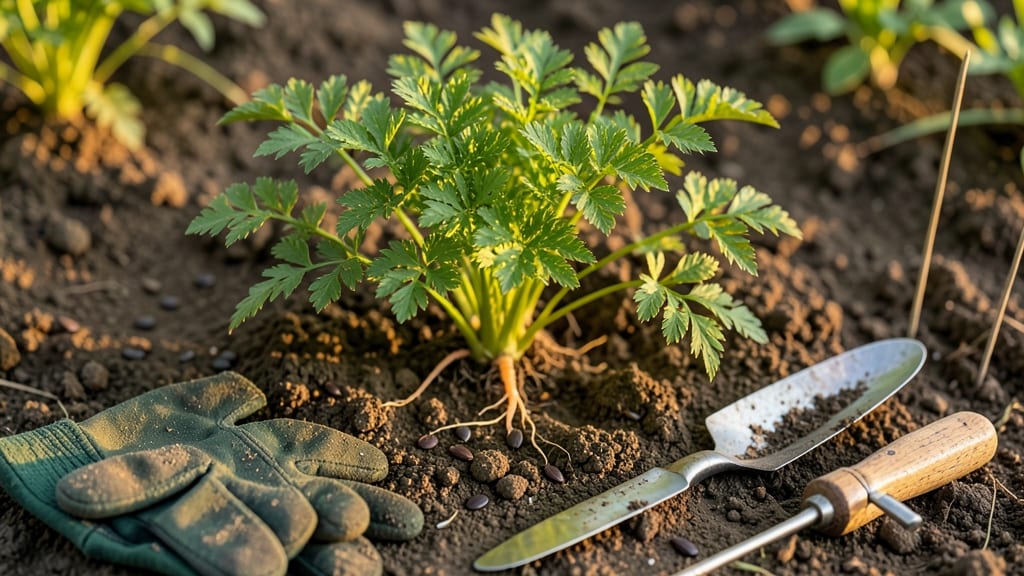
Knowing when to plant carrots in Zone 6 can make or break your harvest—get it right, and you’ll enjoy crisp, sweet 🥕 all season long. The secret lies in timing your sowing with soil temperatures and frost-free dates, which vary more than you might think across the region.
In Zone 6, your best window opens in early spring (March-April) when soil reaches 50-70°F, but late summer (July-August) also works for a fall harvest. Miss these windows, and you risk bolting or stunted roots, especially if summer heat hits too early.
I’ll walk you through the exact frost-free timeline for your area, plus how to adjust for unpredictable weather. Whether you’re a beginner or a seasoned gardener, these tips will help you avoid common mistakes and grow perfect storage carrots.
Ready to plan your planting? Let’s break down the ideal schedule, soil prep, and even succession planting tricks to keep your garden producing all season.

Zone 6 carrot planting timeline: soil temperature & frost-free dates explained
In Zone 6, the ideal time to plant carrots depends on two critical factors: soil temperature (aim for 50–70°F) and frost-free dates. Most gardeners in this zone plant twice a year—once in early spring and again in late summer—to avoid bolting and ensure continuous harvests.
Let’s break down the exact windows and what they mean for your garden.
Carrots are cool-season crops, meaning they thrive when temperatures are mild. In Zone 6, soil should reach at least 50°F before planting, which typically happens by mid-March to early April.
However, if you’re in a cooler microclimate (like the Appalachians), wait until April 15 or later to avoid frost damage. Use a soil thermometer to confirm—this small tool is a game-changer for root crops!
Your last frost date in Zone 6 usually falls around April 15, but this can vary by 1–2 weeks depending on location. For example, Midwestern gardeners might plant as early as late March, while those in higher elevations should hold off until mid-April.
Always check your local frost calendar or use the USDA Plant Hardiness Zone Map for precision.
Here’s the golden rule for Zone 6 carrot planting: Sow seeds 2–3 weeks before your last frost date for spring planting. This gives seedlings time to establish roots before warmer weather triggers bolting.
For late-summer planting, aim for July–August to harvest before the first frost in mid-October. This second planting is key to avoiding the summer heat that causes bitter, woody carrots.
🌱
| Planting Window | Soil Temp Requirement | Frost Considerations | Harvest Timeline |
|---|---|---|---|
| Early Spring (March–April) | 50–60°F | 2–3 weeks before last frost | July–October |
| Late Summer (July–August) | 60–70°F | 8–10 weeks before first frost | September–October |
For succession planting, stagger your sowings every 2 weeks in spring and 3 weeks in summer. This ensures a steady supply of fresh carrots instead of a single overwhelming harvest.
For example, if you plant your first batch in early April, follow up with seeds in mid-April, late April, and early May. In summer, plant again in early July, mid-July, and early August for a fall harvest.
If you’re new to carrots, start with short-season varieties like ‘Early Nantes’ or ‘Paris Market’, which mature in 50–60 days. These are perfect for Zone 6’s shorter growing season and less likely to bolt in heat.
Longer varieties like ‘Danvers’ take 70–80 days but reward you with sweeter, larger roots if planted early or late in the season.
One common mistake in Zone 6 is planting too late in spring, which causes carrots to bolt prematurely (send up flower stems). To prevent this, use shade cloth during hot afternoons or choose bolting-resistant varieties like ‘Rainbow’ or ‘Chantenay’.
Another trick? Plant in partial shade (e.g., near taller plants like corn or sunflowers) to keep soil cooler.
For container gardening, fill pots with loose, sandy soil and plant seeds 1/4 inch deep. Containers warm up faster than garden beds, so start them indoors 4–6 weeks before your last frost or use them for late-summer sowings.
Just ensure pots are at least 12 inches deep—shallow containers will stunt root growth.
💧
Pro tip: Mulch your carrot beds with straw or grass clippings to maintain even soil moisture and suppress weeds. This is especially important in Zone 6’s variable weather, where sudden heatwaves or dry spells can stress young plants. Keep mulch 2–3 inches away from stems to avoid rot.
Zone 6 carrot planting timeline: soil temperature & frost-free dates explained
In Zone 6, your carrot planting success hinges on two critical factors: soil temperature and frost-free dates. Carrots thrive when soil reaches 50-70°F, signaling it's time to sow seeds.
The last frost date (typically April 15) marks the first planting window, while late summer's first frost (around October 15) closes the season. Get these timings wrong, and you risk bolting or stunted growth.
For a continuous harvest, I recommend two planting windows: early spring (March-April) and late summer (July-August). Early plantings give you 70-80 days to mature before summer heat sets in, while late plantings avoid the bolting trigger of long daylight hours.
Regional variations exist—Midwest gardeners might push spring planting to mid-April, while Appalachian areas can start as early as late March.
🥕 Zone 6 Carrot Planting Summary
| Stage | Action | Soil Temp | Notes |
|---|---|---|---|
| Early Spring | Sow seeds | 50-60°F | March-April, 2-3 weeks before last frost |
| Late Summer | Sow seeds | 60-70°F | July-August, 8-10 weeks before first frost |
| Harvest | Pull roots | N/A | Late summer to fall (70-80 days after sowing) |
📌 Pro Tip: Use a soil thermometer to verify temperatures before planting.
Succession planting every 2-3 weeks after your initial sowing ensures a steady supply. For example, if you plant your first batch in early April, follow up with seeds in mid-April, late April, and early May.
This staggered approach prevents gluts and gaps in your harvest. In Zone 6b (warmer microclimates), you might even squeeze in a June planting for a fall crop.
Don't overlook late summer plantings—they're your secret weapon against summer bolting. By sowing in July or August, you take advantage of cooler soils and shorter daylight, which discourages premature flowering.
Choose bolting-resistant varieties like 'Danvers Half Long' or 'Nantes' for these later sowings. Just be sure to use row covers if nighttime temperatures dip below 50°F.
For container gardeners, timing is even more critical. Since pots warm up faster than garden beds, you can plant 1-2 weeks earlier in spring. Use black plastic pots to absorb heat and accelerate soil warming.
In late summer, containers let you extend the season by providing insulated warmth—just move them to a south-facing spot to maximize sunlight.
Remember: Carrots hate cold soil. If you plant too early and face a late frost, your seeds will rot. Always wait until soil reaches 50°F—use a seedling heat mat if needed to jumpstart germination. The payoff? Crisp, sweet roots that rival store-bought—without the pesticides. 🥕