
Plants
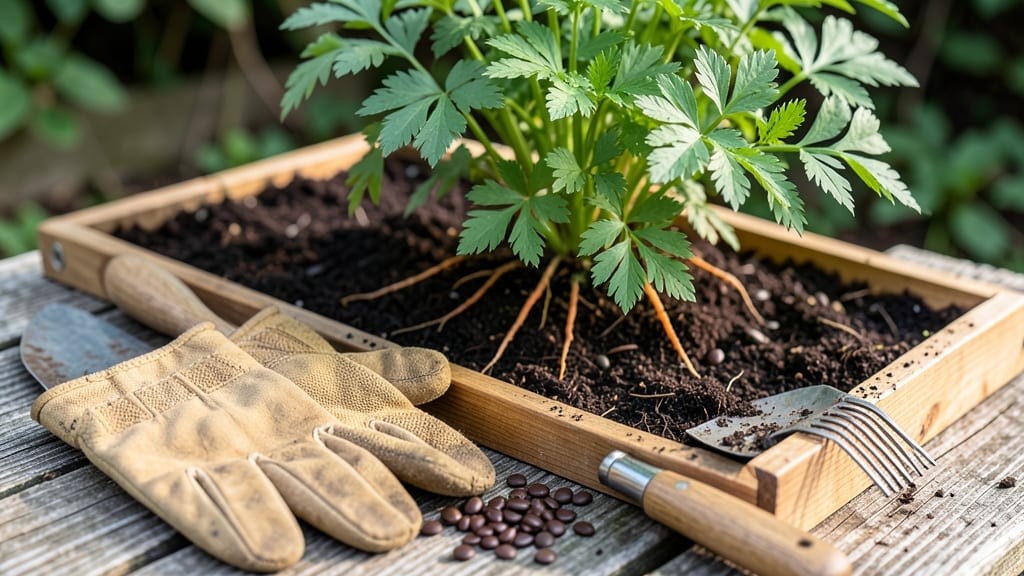
Timing your carrot planting in Vermont isn't just about following a calendar—it's about working with the 4b-6a zone's unpredictable frosts and rocky soil to grow those sweet, crisp 🥕 roots you crave.
The difference between a bumper harvest and a disappointment often comes down to when you pop those tiny seeds into the ground.
Most gardeners in Vermont know the struggle: plant too early, and your carrots bolt in the chill; too late, and they never reach their full potential before winter sets in.
But here's the good news—with the right strategy, you can enjoy homegrown carrots from June through November, even in this cooler climate.
I'll walk you through the exact planting windows that actually work in Vermont—from the ideal spring window (April 15-June 15) to the often-overlooked fall planting (August-September)—plus how to adjust for your specific microclimate. Let’s get those carrots growing right.
Whether you're a seasoned gardener or just starting, these tips will help you avoid common mistakes and maximize your harvest. Ready to dig in?
Vermont carrot planting calendar: best months for success in zone 4B
Timing your carrot planting in Vermont means working with USDA Zone 4B’s short frost-free window of 150-180 days. The key is planting early spring and late summer crops to maximize your harvest before the first frost around October 10.
My experience shows that April 15 to June 15 and August 1 to September 1 are the sweet spots for crisp, flavorful roots.
Vermont’s soil stays cool longer than southern states, so wait until the soil reaches at least 50°F—about 2 weeks after your last frost date. In most of Vermont, this means mid-to-late April for early plantings.
For fall crops, aim to sow seeds 8-10 weeks before your first frost to ensure mature roots before winter sets in.
Here’s the critical detail: Carrots need 70-90 days to mature, so your last planting window should be no later than September 1 in Vermont. Missing this window risks roots that don’t fully develop before frost, leaving you with small, woody carrots.
🌱
| Planting Window | Soil Temp | Days to Harvest | Vermont Notes |
|---|---|---|---|
| April 15 - May 15 | 50°F+ | 70-90 days | Early spring planting; use cold-hardy varieties like 'Early Nantes'. |
| May 15 - June 15 | 55°F+ | 60-80 days | Best for main harvest; avoid planting after June 15 for fall crops. |
| August 1 - September 1 | 50°F+ | 70-80 days | Fall planting; harvest before first frost (Oct 10). |
| September 1 - Sept 15 | 50°F+ | 60-70 days | Risky; only for fast-maturing varieties like 'Paris Market'. |
In Vermont’s rocky soil, I’ve found that staggered plantings every 2 weeks between April and June create a continuous harvest. This method works especially well for short-season varieties like 'Danvers' or 'Chantenay', which mature in 60-70 days.
For fall, focus on cold-tolerant varieties like 'Autumn King' to extend your harvest into October.
Pro tip: Use row covers to push your planting window 2-3 weeks earlier in spring or 1-2 weeks later in fall. This simple trick can add 10-15 extra days to your growing season without risking frost damage.
Remember that Vermont’s microclimates vary. Gardeners in southern Vermont (Zone 5) may have 10-14 extra frost-free days compared to northern areas. Check your local USDA frost maps or use a soil thermometer to confirm when your soil is ready—don’t guess!
For container gardening in Vermont, start seeds indoors 6-8 weeks before your last frost (around March 15) and transplant outdoors after soil warms. Containers warm up faster than ground soil, giving you a head start in our cool climate.
🌿
If you’re new to Vermont gardening, mark your calendar for May 10 (last frost date) and October 10 (first frost date). These dates are your anchors for planning two successful carrot plantings each year.
With the right timing, you’ll enjoy homegrown carrots from late June through November—just in time for winter storage!
How to adjust carrot planting for Vermont’s microclimates and soil types
Vermont’s rocky, well-drained soil and cool microclimates demand smart adjustments to grow perfect carrots. In my garden, I’ve learned that loosening soil with compost and staggered plantings make all the difference. The Champlain Valley stays cooler longer, while southern Vermont warms up faster—so timing varies by region.
For rocky soil, I mix in coarse sand or peat moss to prevent forking. Short-rooted varieties like ‘Paris Market’ or ‘Little Finger’ thrive in tighter spaces, while ‘Danvers’ needs deeper soil. Always test soil depth with a trowel—carrots need at least 10 inches of loose dirt to grow straight.
🌱
- 🌡️ Plant in cool microclimates (e.g., Champlain Valley) 2 weeks later than average last frost—soil warms slower.
- 🪴 Use raised beds in rocky areas—fill with 50% compost and 50% topsoil for ideal depth.
- 🌱 Stagger plantings every 2 weeks from April 15–June 15 for continuous harvests.
- 🥕 Choose short-season varieties like ‘Nantes’ (60 days) or ‘Early Wonder’ (55 days).
- 🌧️ Mulch heavily with straw to retain moisture in dry spells (common in southern VT).
Fall plantings in Vermont work best from August 1–September 1, but soil temperature is critical. Use a soil thermometer—carrot seeds need 50°F+ to germinate. In northern VT, I often wait until late August to avoid early frosts.
For extended harvests, try succession planting every 10–14 days until September 15.
Another trick? Shade cloth in peak summer (July–August) prevents bolting—carrots grow leafy tops instead of roots when stressed by heat. I use 30% shade cloth over beds and see 20% straighter, sweeter carrots. Plus, it buys extra time for late-season plantings before the first frost.
If your soil is too sandy, add composted manure (like chicken or cow) to improve moisture retention. Clay soil? Mix in perlite or vermiculite to prevent compaction. And always water deeply in the morning to avoid fungal diseases—Vermont’s humidity is no joke!
🌿 For container gardening, use deep pots (12"+) filled with lightweight potting mix. Varieties like ‘Short ‘n’ Sweet’ grow perfectly in 5-gallon buckets, making them ideal for balconies or patios. Just ensure pots get 6+ hours of sun daily.