
Companion Plants
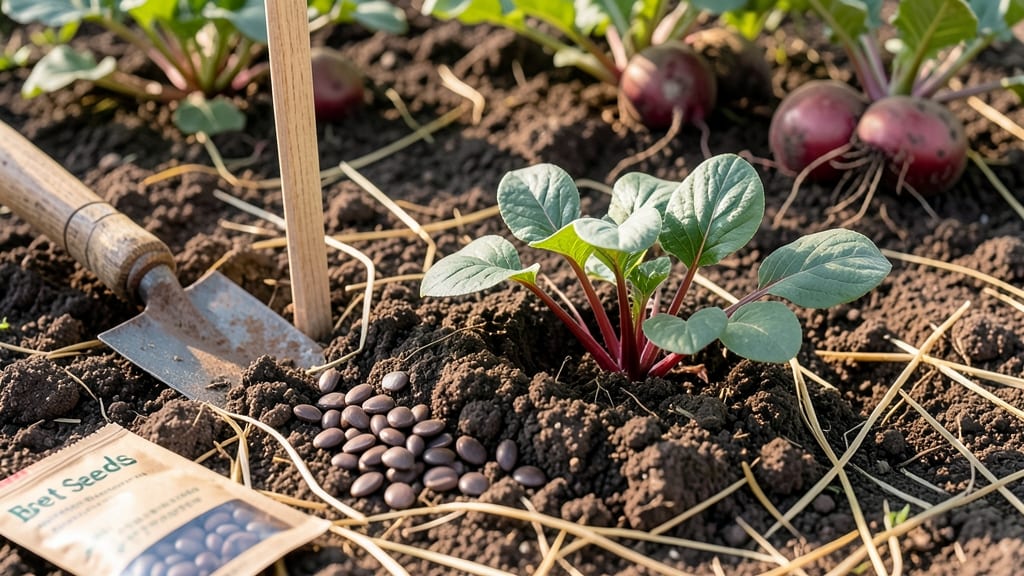
Knowing when to plant beets in Zone 6 is the secret to fast germination and a bountiful harvest—because timing matters more than you think. Too early, and your seeds may rot in cold soil; too late, and you’ll miss the sweetest, tender roots.
With just a few simple adjustments, you can avoid these common mistakes and enjoy fresh 🍠 harvests twice a year.
Spring is the classic window, but Zone 6 gardeners also have a hidden opportunity: late summer plantings for fall harvests. The key lies in soil temperature and frost dates—both of which I’ll break down so you can plant with confidence.
Whether you’re a beginner or a seasoned grower, these exact start dates will help you skip the guesswork and get your beets growing fast.
Let’s start with the basics: why soil warmth and frost risk change everything. Beets love cool weather but still need a little heat to sprout quickly. I’ll show you how to check your soil’s readiness and adjust your planting schedule for reliable results—no matter what Mother Nature throws your way.
Ready to grow sweeter, more abundant beets? By the end, you’ll know the perfect windows for both spring and fall plantings, plus pro tips to keep your garden thriving all season long. Let’s dig in.

Zone 6 beet planting calendar: exact start and end dates for success
Beets are one of the easiest vegetables to grow in Zone 6, but timing is everything. Plant them too early, and cold soil slows germination.
Too late, and summer heat stresses the plants. The key is understanding your last frost date—typically around mid-April in Zone 6—and adjusting for soil temperature.
For the fastest, most reliable harvests, focus on two planting windows: early spring (as soon as soil reaches 45°F) and late summer (6-8 weeks before your first frost, usually by mid-August). This dual approach ensures fresh beets from May through October.
Pro Tip: Use a soil thermometer to confirm soil is warm enough. Beet seeds won’t sprout below 40°F, even if air temperatures are mild. In cooler springs, wait until soil hits 50°F for faster germination.
| Planting Window | Ideal Start Date | End Date | Notes |
|---|---|---|---|
| Early Spring | Late March - Early April | Mid-April (before last frost) | Use cold-hardy varieties like 'Detroit Dark Red' for cooler soil. |
| Late Spring | Mid-April - Early May | Early June | Avoid planting after May 15—heat stress reduces sweetness. |
| Fall (Successive) | Mid-July - Early August | Mid-September | Plant 6-8 weeks before first frost for harvest before cold sets in. |
| Late Fall (Cold-Hardy) | Early September | Mid-October | Use small varieties like 'Babybeat' for quick harvests. |
If you’re in Zone 6a (colder microclimates), push spring planting to mid-April to avoid frost damage. In Zone 6b (warmer areas), you can start as early as late March if soil is workable. Always check your local USDA Plant Hardiness Zone Map for precise adjustments.
For container gardening, plant beets in 5-gallon pots with well-draining soil. Containers warm up faster in spring, so you can start 2-3 weeks earlier than in-ground plantings. Just ensure pots get 6+ hours of sun daily.
Succession planting every 2 weeks after your initial sowing keeps beets coming all season. In Zone 6, this means March, April, July, and August are your peak months for planting. Space seeds 1-2 inches apart and thin to 3-4 inches once seedlings emerge.
Remember: Beets are bolting-resistant in cool weather, but heat triggers flowering. If your spring stretches into June heat, switch to shade cloth or focus on fall plantings for sweeter roots.
🌱
How to adjust planting for fast germination in Zone 6’s unpredictable spring
Zone 6’s spring weather can be a double-edged sword for beet germination. Cool soil temperatures and unpredictable frost dates often slow sprouting, leaving gardeners frustrated. The key to fast, reliable germination lies in soil prep and strategic timing—especially when planting early varieties that need to beat the first frost.
Beet seeds germinate best when soil temperatures reach 50°F (10°C) or warmer. In Zone 6, this typically happens 2-4 weeks after your last frost date (usually mid-April). However, planting too early can leave seeds sitting in cold, damp soil for weeks, inviting rot or mold.
Always check soil temps with a soil thermometer before sowing.
To speed up germination, I recommend pre-warming the soil by covering beds with black plastic mulch 1-2 weeks before planting. This raises soil temps by 5-10°F, creating ideal conditions for seeds. For container gardeners, use heat mats or plant in pots filled with warmed compost to jumpstart growth.
⚠️ Avoid These Germination Killers
Cold, wet soil – Beet seeds rot at 45°F (7°C) or below. Wait until soil warms to 50°F+.
Deep planting – Sow seeds only ½ inch deep. Deeper planting = slower sprouting.
Inconsistent moisture – Keep soil evenly damp (not soggy) until germination, which takes 7-14 days.
For the fastest results, I plant early varieties like 'Detroit Dark Red' in late March under row covers or cloches. This extends the growing season by 2-3 weeks without risking frost damage.
Just remove covers once true leaves appear to harden seedlings. If you miss this window, don’t worry—succession plant every 2 weeks through May for continuous harvests.
Another pro tip: Soak seeds overnight before planting. This softens the tough outer shell, helping them sprout 2-3 days faster. Just don’t over-soak—6-8 hours max—or they’ll rot. Pair this with a light mulch of straw to retain moisture and regulate soil temps.
Remember, patience is key—even with perfect timing, beets can take 7-21 days to germinate. Thin seedlings to 3-4 inches apart once they’re 2-3 inches tall to avoid competition. With these adjustments, you’ll go from frustrated waiting to harvest-ready beets in 60 days.