
Watering
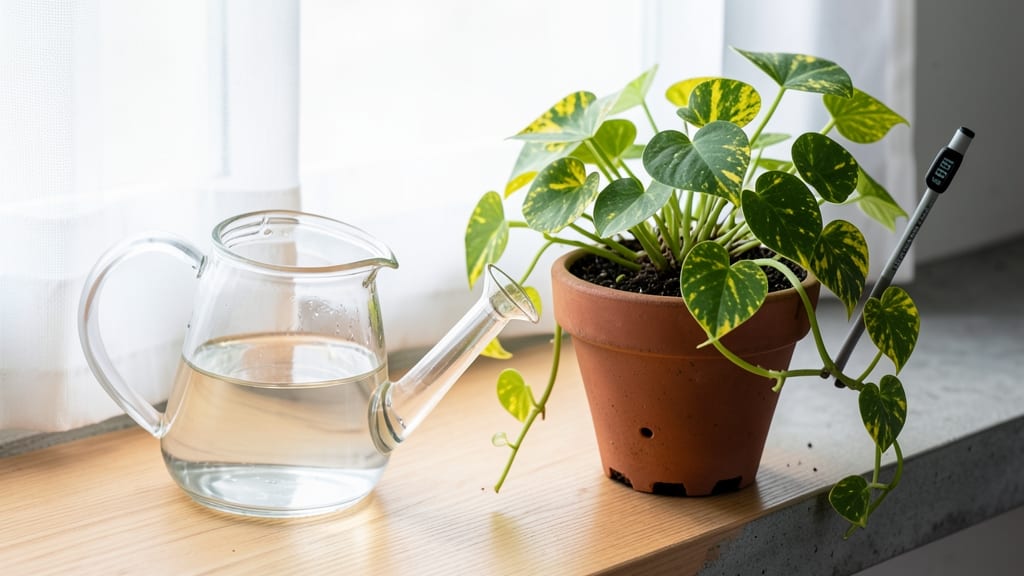
Figuring out how much water your pothos plant 🌿 needs can feel like solving a mystery—one day it’s thriving, the next its leaves look sad or crispy. The truth? Most people overthink it (or underwater it), but the secret is simpler than you’d expect.
Pothos plants are famously forgiving, but even they need the right balance—every 1-2 weeks is a good starting point, but soil type, pot size, and your home’s humidity all play a role.
Too much water? Yellow leaves and root rot. Too little? Brown tips and droopy vines. I’ll break down the exact signs to watch for so you never guess again.
Whether you’re dealing with a low-light office plant or a sun-kissed vine, this guide cuts through the confusion. You’ll learn how to check soil moisture like a pro, adjust for seasonal changes, and keep your pothos happy year-round—no green thumb required.
Let’s turn your pothos from a maybe-plant to a thriving, leafy centerpiece with just the right amount of water. Trust me, your plant will thank you.

How often to water pothos plants based on soil dryness (not a calendar)
Your pothos plant thrives on a consistent but flexible watering routine—think soil dryness, not calendar dates. Unlike strict schedules, pothos care relies on visual cues and finger tests to avoid soggy roots or thirsty leaves.
The key? Waiting until the top 1-2 inches of soil feel dry to the touch. This method adapts naturally to your home’s humidity, pot size, and seasonal shifts.
First, let’s debunk the myth that pothos need weekly watering. In reality, most indoor setups only require water every 1-2 weeks, but this varies wildly. A small 4-inch pot may dry out faster than a large 10-inch container.
Even the same plant in your dry office will need less water than one in your humid bathroom. The solution? Check the soil before watering—it’s the only rule that never fails.
Here’s my foolproof test: Stick your finger about 1 inch deep into the soil. If it feels dry and crumbly, it’s time to water. If it’s still damp or cool, wait another 2-3 days.
Pro tip: Use your pinky finger for small pots and your index finger for larger containers. This simple habit prevents root rot and leaf drop—two classic pothos killers.
Seasonal changes also shift your watering rhythm. During summer months, your pothos may need water every 5-7 days due to heat and evaporation. But in winter, when growth slows, you might stretch waterings to every 3-4 weeks.
Pay attention to your plant’s growth rate and leaf color—these are better guides than a calendar.
One common mistake? Watering based on pot size alone. A terracotta pot dries out faster than plastic because it breathes, while a glazed ceramic pot holds moisture longer.
Always adjust for your container’s material and your home’s humidity levels. A hygrometer (or even a humidity-sensitive plant nearby) can help fine-tune your approach.
| Factor | Watering Adjustment | Example |
|---|---|---|
| Soil Dryness Test | Water when top 1-2 inches are dry | Finger test: dry = water; damp = wait |
| Pot Size | Larger pots = less frequent watering | 4" pot: every 5-7 days; 10" pot: every 10-14 days |
| Season | Summer = more often; Winter = less often | July: every 5-7 days; December: every 3-4 weeks |
| Humidity | High humidity = water less; Dry air = water more | Bathroom (60%+): every 14 days; Office (30%): every 7 days |
| Pot Material | Terracotta = dries faster; Plastic = retains moisture | Terracotta: every 5-7 days; Plastic: every 10-14 days |
Let’s talk about water quality, because not all H₂O is created equal. If your tap water is hard or chlorinated, your pothos will show stress faster. Signs include brown leaf tips or crispy edges, even with proper watering.
The fix? Use filtered or distilled water, or let tap water sit out for 24 hours to evaporate chlorine. Rainwater is ideal if you’re collecting it, but avoid watering with saltwater or heavily mineralized sources.
Another game-changer is watering technique. Pour water slowly until it drains from the bottom, then dump any excess from the saucer. Stagnant water in saucers is a root rot magnet.
For potted pothos, aim for ½ to ¾ cup of water per watering session, but adjust based on pot size. Over time, you’ll notice your plant’s growth patterns—healthier leaves and faster vine growth mean you’ve nailed the balance.
Remember, pothos are drought-tolerant, so slight adjustments are better than drowning them. If you’re ever unsure, underwater slightly—your pothos will bounce back faster than if you overwater.
With practice, you’ll develop a sixth sense for when your plant needs a drink, turning watering day into a quick, confident ritual instead of a guessing game.
🌱
Common pothos watering mistakes that kill leaves (and how to fix them)
I’ve seen it happen too many times—your pothos plant starts wilting, yellowing, or dropping leaves, and you’re left wondering, "Did I kill it?" The truth? Most pothos problems stem from simple watering mistakes. Let’s uncover the 5 most common errors and how to reverse the damage before it’s too late.
First, the biggest culprit: overwatering. Pothos plants are drought-tolerant, but many of us panic when the soil feels dry and drown them instead. This leads to root rot, where roots suffocate in soggy soil.
The fix? Let the top 1-2 inches of soil dry out before watering again. If you’re unsure, stick your finger in—if it’s damp, wait.
Here’s the visual guide to spotting overwatering early:
🚨 Warning Signs of Overwatering
- Yellow leaves that stay soft even when dry
- Mushy stems or blackened roots when pulled gently
- Foul smell from the soil (like rot)
- Slow growth despite regular watering
Action:
- Stop watering immediately and let the soil dry out completely.
- Repot in fresh, well-draining soil if roots are mushy.
- Ensure your pot has drainage holes—no exceptions!
On the flip side, underwatering causes crispy, brown leaf edges—a classic sign your pothos is thirsty. But here’s the catch: underwatering is often a reaction to overwatering. If you’ve overdone it once, your plant’s roots may struggle to absorb water even when the soil is dry.
The fix? Water thoroughly until it drains from the bottom, then wait for the top inch to dry before repeating.
Another sneaky mistake? Using hard water with high mineral content. Over time, these minerals build up in the soil, clogging pores and preventing roots from breathing.
If your tap water leaves white residue, switch to filtered or distilled water for pothos. You’ll notice leaves staying greener and growth picking up within weeks.
Lastly, inconsistent watering confuses your pothos. Plants thrive on routine, so stick to a schedule (like every 10-14 days in spring/fall) rather than guessing. Pro tip: Group your pothos with other plants in the same pot size—this way, they’ll all need water at the same time, making care easier.
Remember, pothos plants are forgiving, but they won’t recover overnight. Start correcting these mistakes today, and you’ll see new, vibrant leaves in no time. 🌿