
Plants
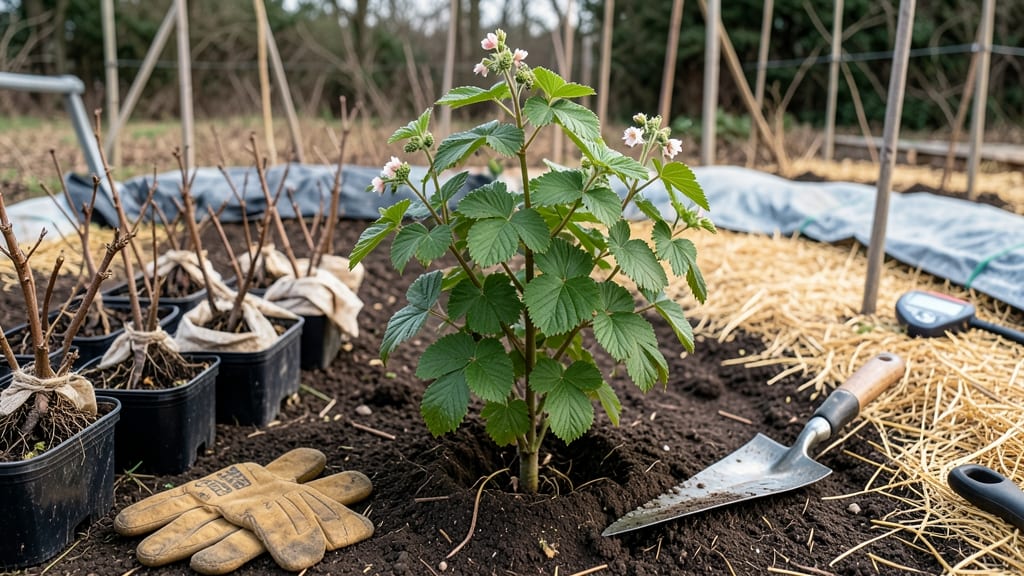
Timing your blackberry planting in North Carolina can make or break your harvest—because these 🫐 powerhouses demand just the right conditions to thrive. Whether you're in the humid coastal plains or the cooler mountain regions, getting the months right ensures strong root growth before summer heat arrives.
Most gardeners swear by late winter to early spring (February through April) as the ideal window, but fall planting (September-October) also works beautifully in NC's 6a-8b zones. The key is beating the first frost while giving young canes time to establish before summer's intensity kicks in.
I'll break down exactly when to plant based on your specific region—plus soil prep tips to avoid common NC pitfalls like soggy soil or pest pressure. Ready to grow blackberries that produce bountiful harvests year after year?
Let's dive into the precise planting schedule that'll have your blackberries flourishing from the first cane to the last ripe berry.
Best planting months for blackberries in north Carolina by region
North Carolina's diverse climate—from the humid Coastal Plain to the cooler Mountain regions—means blackberry planting times vary dramatically. Getting the timing right ensures your canes establish strong roots before summer heat or winter frost strikes.
Let’s break down the optimal windows by region, using NC State Extension data and local grower insights.
In the Coastal Plain (Zones 7b-8b), where winters are mild and summers humid, your best bet is late winter to early spring (February-March). This gives canes time to root before the intense summer heat arrives.
For the Piedmont (Zones 6b-7a), aim for late February to early April—just as the soil warms but before the last frost (typically March 15). Mountain regions (Zones 6a) should plant in March-April to avoid late spring frosts.
Don’t overlook fall planting (September-October)—it’s ideal for NC’s USDA Zones 6-8. Fall-planted canes establish roots in cool soil, reducing transplant shock and giving them a head start in spring. Just ensure you plant 6-8 weeks before your first frost (usually November 1-November 15 across the state).
Pro Tip: Check your local NC Cooperative Extension office for precise frost dates—even within regions, microclimates can shift planting windows by weeks. For example, Asheville’s last frost averages March 20, while Wilmington’s is February 28.
🌱
| Region | USDA Zone | Best Planting Window | Soil Temp Goal (°F) | Key Consideration |
|---|---|---|---|---|
| Coastal Plain | 7b-8b | Feb 15 - Mar 15 | 50-60°F | High humidity; watch for fungal diseases |
| Piedmont | 6b-7a | Feb 28 - Apr 15 | 45-55°F | Moderate climate; ideal for everbearing varieties |
| Mountains | 6a | Mar 15 - Apr 30 | 40-50°F | Cooler nights; prime-finish varieties preferred |
| All Regions | 6a-8b | Sep 1 - Oct 15 | 60-70°F | Fall planting reduces transplant shock |
If you’re planting in late winter or early spring, time it so canes are in the ground 4-6 weeks before your last frost date. This window lets roots establish without competing with summer heat.
For fall planting, prioritize September-October—this gives roots time to grow before winter dormancy sets in.
For Coastal NC growers, avoid planting in May or June—the oppressive heat and humidity stress young canes, leading to poor establishment. In the Mountains, planting after April 15 risks late frosts damaging tender new growth. Always check NC State Climate Office data for your specific county.
One common mistake? Planting bare-root canes too early in spring when soil is still cold. Cold soil slows root growth, leaving plants vulnerable to root rot or winter kill.
Wait until soil temps reach 50°F+ (use a soil thermometer!) before planting. In Zone 6a, this often means waiting until mid-April.
🌿 For container-grown blackberries, you’ve got a little more flexibility—plant anytime soil isn’t frozen, but spring or fall still wins. Containers warm up faster in spring, so you can plant 2-3 weeks earlier than in-ground canes. Just ensure pots have drainage holes and use a well-draining potting mix.
Finally, everbearing varieties (like ‘Natchez’ or ‘Ou
Best planting months for blackberries in north Carolina by region
North Carolina’s diverse climate—from the humid Coastal Plain to the cooler Mountain regions—means blackberry planting times vary dramatically. Getting the timing right ensures your canes establish strong roots before summer heat or winter frost hits.
For USDA zones 6a-8b, the ideal window is late winter to early spring (February–April) or fall (September–October), but regional adjustments are key.
Coastal areas (like Wilmington) have milder winters, allowing earlier spring planting (February–March) before soil warms. Meanwhile, the Piedmont (Raleigh, Greensboro) thrives with March–April plantings, while Mountain regions (Asheville, Boone) should wait until April–May to avoid late frosts.
Fall plantings work best in September–October across all regions, giving canes time to root before winter.
| Region | Spring Planting Window | Fall Planting Window | Key Consideration |
|---|---|---|---|
| Coastal Plain (Zones 7b-8b) | February–March | September–October | Warmer soils; avoid April heat stress |
| Piedmont (Zones 7a-7b) | March–April | September–early October | Balanced frost risk; aim for soil temps >50°F |
| Mountains (Zones 6a-7a) | April–May | Late September–October | Later frosts; prioritize root establishment |
For bare-root canes, late winter/early spring plantings (before buds swell) give roots time to establish before summer. Fall plantings, however, require 6–8 weeks of root growth before frost—critical in Zone 6a.
In humid Coastal areas, September plantings reduce fungal risks, while Mountain regions benefit from October’s cooler temps.
Local frost dates matter more than calendar months. Check your NC State Extension frost maps: Coastal areas average October 15 first frost, while Mountains hit November 15.
Planting 4–6 weeks before your area’s first frost ensures canes harden off properly. For example, Asheville gardeners should aim for September 15–October 1 fall plantings.
Microclimates add another layer. A south-facing slope in the Piedmont warms faster than a north-facing valley, potentially shifting your ideal window by 2–3 weeks. Observe your site’s frost history: if your yard frosted on March 10 last year, delay spring plantings until March 20 to be safe.
Mulch heavily (3–4 inches) to protect roots in fall/winter.
Timing also depends on your blackberry type. Everbearing varieties (like ‘Natchez’) need earlier spring plantings to fruit that year, while prime-finish types (like ‘Chester’) can wait until April.
Always check the variety’s USDA hardiness zone—most NC-grown blackberries thrive in Zones 5–9, but Mountain plantings should stick to Zone 6a-tolerant varieties.
Missed the ideal window? Don’t panic. Container-grown blackberries can be planted up to May 15 in Coastal NC, though yields may be reduced. For fall, November plantings are risky but possible in Zone 8b with heavy mulching. Just adjust expectations: later plantings mean smaller first-year canes and delayed fruiting.