
Watering
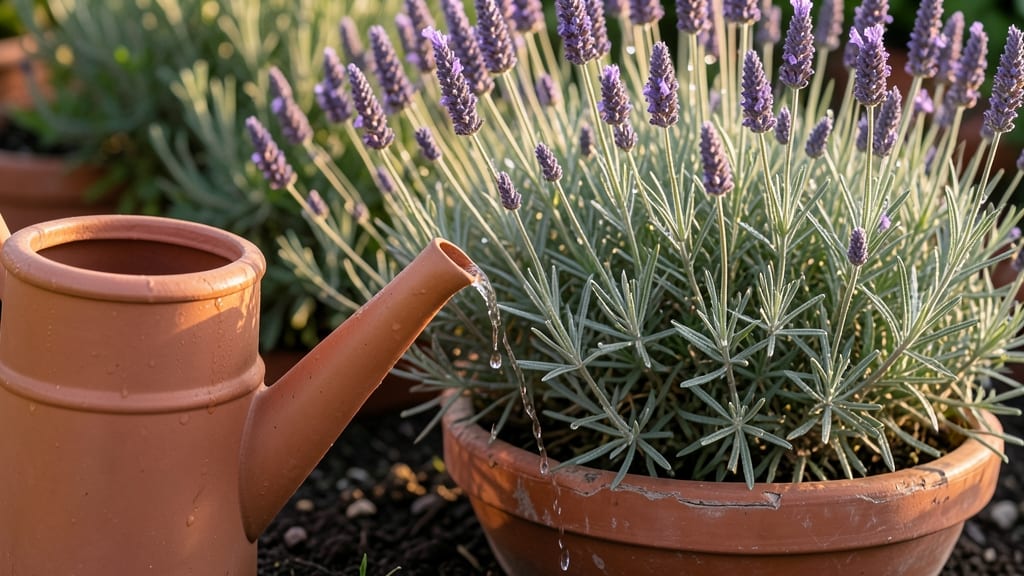
Figuring out how much water your lavender plant needs can feel like walking a tightrope—too little and it wilts, too much and its roots drown. The good news?
Lavender is one of the most forgiving plants once you crack the code, and I’ve got the exact routine that keeps mine thriving in USDA Zone 6a without a single guess.
Most gardeners overestimate how often lavender needs water, assuming it’s a thirsty plant. But here’s the secret: your 🌿 lavender plant actually prefers dry spells between deep drinks.
I’ll show you the precise schedule that works for both in-ground plants and containers, plus how to adjust when summer heat or winter chill rolls in.
You’ll also learn the telltale signs of overwatering (like yellowing leaves or mold) versus underwatering (dry, crispy stems), so you can fix problems before they become permanent. No more second-guessing—just healthy, fragrant lavender that rewards you with blooms all season.
Ready to master lavender care? Let’s dive into the watering routine that’s saved my plants—and will work for yours too. It’s simpler than you think!

How often to water lavender plants based on soil and climate
Lavender thrives on consistency—its Mediterranean roots mean it prefers dry spells over soggy soil. The key is deep, infrequent watering that mimics natural rainfall patterns. For most gardeners, this means watering every 2-3 weeks during the growing season, but timing shifts with soil type and climate.
Let’s break it down so you can tailor your watering schedule to your lavender’s exact needs.
First, check your soil drainage. Lavender hates compacted or clay-heavy soil, which traps moisture and rots roots. If your soil drains poorly, amend it with sand or gravel before planting.
For sandy soil, water slightly more often—every 10-14 days—since it dries out faster. In clay soil, stretch watering to 3-4 weeks to prevent waterlogging.
Your local climate plays a huge role. In hot, dry regions like the Southwest U.S., lavender may only need water every 4-6 weeks once established. In cooler, humid climates (e.g., Pacific Northwest), reduce frequency to every 3-4 weeks to avoid fungal issues.
Coastal areas with high humidity should water even less—monthly or less—to prevent mold.
Container-grown lavender dries out faster than in-ground plants because pots have limited soil volume. Water potted lavender every 7-10 days in summer, checking that the soil is completely dry 2-3 inches down before watering again. Use a pot with drainage holes and avoid saucers that trap excess water.
Seasonal adjustments are critical. In spring and fall, water every 2-3 weeks as roots establish and new growth begins. During summer heatwaves, increase shade slightly and water every 3-4 weeks—or less if rainfall occurs.
In winter, lavender enters dormancy; water only if soil is bone-dry, typically monthly or not at all.
| Condition | Soil Type | Watering Frequency | Best Time to Water |
|---|---|---|---|
| Established In-Ground | Sandy | Every 10-14 days | Early morning |
| Established In-Ground | Clay | Every 3-4 weeks | Late afternoon |
| Container-Grown | Any | Every 7-10 days | Morning |
| Newly Planted | Well-Draining | Every 5-7 days (first 2 weeks) | Morning |
| Dormant (Winter) | Any | Monthly or none | N/A |
| Hot/Dry Climate | Sandy | Every 4-6 weeks | Early morning |
To test soil moisture, stick your finger 2-3 inches deep into the soil. If it feels dry, it’s time to water. If it’s still damp, wait another week. Overwatering is far riskier than underwatering—lavender’s roots need oxygen, and soggy soil suffocates them.
Always water slowly and deeply, aiming for 500-750ml per plant until water runs out the drainage holes (for containers) or seeps into the soil below.
Pro tip: Group lavender with drought-tolerant companions like rosemary, thyme, or sedum. These plants share similar water needs, making your garden maintenance easier. Avoid planting lavender near water-loving plants like mint or hostas, which will compete for moisture and stress your lavender.
Remember, lavender’s fragrance and health are direct reflections of its watering routine. A well-watered lavender will have vibrant purple blooms, silvery-green foliage, and a strong, sweet scent.
If you notice yellowing leaves or mushy stems, you’re likely overwatering. Adjust your schedule and watch your lavender rebound in just a few weeks.
💧
How often to water lavender plants based on soil and climate
Lavender thrives on consistency—not too much, not too little. In well-draining soil, water your lavender every 2-3 weeks during its active growing season (spring and fall). The key is letting the soil dry out completely between waterings to prevent root rot, which is lavender’s biggest enemy.
Your climate zone plays a huge role. In hot, dry summers like those in Zone 7 or higher, lavender might only need watering every 4-6 weeks once established. Coastal areas with humid air may require slightly more frequent checks, while arid desert climates can stretch watering intervals even longer.
Soil type determines how quickly moisture evaporates. Sandy soil drains fast, so you’ll water more often (every 10-14 days), while clay soil holds moisture longer, allowing 3-4 week intervals. Always dig your finger 2-3 inches into the soil—if it feels dry, it’s time to water.
| Condition | Watering Frequency | Soil Depth Check | Best Time to Water |
|---|---|---|---|
| Sandy Soil | Every 10-14 days | 2-3 inches dry | Early morning |
| Clay Soil | Every 3-4 weeks | 3-4 inches dry | Late afternoon |
| Hot/Dry Climate | Every 4-6 weeks | 4+ inches dry | Before sunrise |
| Humid/Coastal | Every 2-3 weeks | 1.5-2 inches dry | Morning (avoid evening) |
| Container-Grown | Every 7-10 days | Top 1 inch dry | Morning (drip tray empty) |
For container-grown lavender, the rules change dramatically. Pots dry out 3-4x faster than in-ground plants, so check soil moisture every 7-10 days. Use pots with drainage holes and avoid saucers that trap excess water—lavender roots despise soggy conditions.
In winter months, cut back watering to monthly or less. Lavender enters dormancy, and overwatering can cause root rot in cold, wet soil. If your region experiences freezing temperatures, reduce watering further and protect plants with a light mulch layer (2-3 inches of straw).
Remember: Lavender’s drought resistance is its superpower. If you’re unsure whether to water, wait one more day. Your plant will thank you with vibrant blooms and intense fragrance all season long. 🌿