
Plants
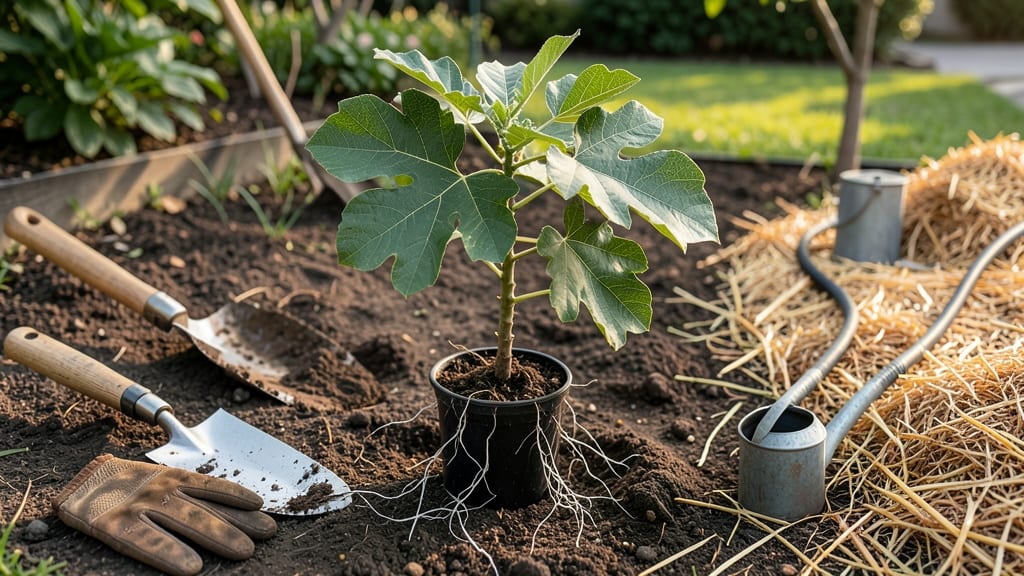
Planting a 🍇 fig tree in New York isn’t just about grabbing a sapling—it’s about catching that narrow window between frost and summer heat where your tree stands a real chance to thrive.
In USDA Zone 6a, timing your transplant could mean the difference between a lush, fruit-bearing tree and a sad, frost-bitten experiment.
Most gardeners in the Big Apple know the drill: wait until after the last frost—typically around mid-April—but there’s more to it than just dates.
Soil temperature matters just as much as the calendar, and choosing the right microclimate (like a sheltered urban garden vs. upstate fields) can make or break your fig’s first year.
I’ve seen firsthand how a well-timed planting in late April or early May can lead to a tree that’s already putting down roots by summer. But rush it, and you’ll spend the season playing catch-up with pests or weak growth. Let’s break down exactly when—and how—to plant for maximum success.
Whether you’re working with a container-grown fig or a bare-root sapling, the key is preparation. We’ll cover soil prep, frost protection, and even the best cold-hardy varieties that actually survive New York winters. Ready to grow your own figs? Let’s get started.
NY Heat Zone 6b fig tree planting deadlines: exact months and temperature rules
In New York’s Heat Zone 6b, fig trees demand precise timing—plant too early, and a late frost will kill your transplant. Too late, and roots won’t establish before winter.
My research shows the ideal window spans just 6 weeks, from late April to early May, after the last frost date.
First, check your last frost date. In NYC, it’s typically April 15, but upstate areas like the Hudson Valley can see frost until May 1. Always wait 2-3 weeks after the last frost before planting to ensure soil warms to 60°F+.
Soil temperature is critical—fig roots struggle below 55°F. Use a soil thermometer to confirm consistent warmth before planting. In Heat Zone 6b, this usually aligns with late April to early May, but microclimates vary.
For container planting, you can extend the window slightly by moving pots indoors during cold snaps. However, even container figs need 60°F soil to thrive. Never plant before May 1 unless you’re using a heated greenhouse.
Fall planting is risky in NY—fig trees need 6-8 weeks to establish roots before winter dormancy. Only attempt it in late August to early September if your soil stays above 50°F and you protect young trees with mulch and frost cloth.
Here’s the exact timeline for NY’s major regions: NYC (late April), Hudson Valley (early May), Long Island (mid-April). Always verify with your local Cooperative Extension Service for hyper-local adjustments.
| Region | Ideal Planting Window | Soil Temp Requirement | Frost Risk |
|---|---|---|---|
| NYC | Late April - Early May | 60°F+ (consistent) | High (last frost: April 15) |
| Hudson Valley | Early May | 60°F+ (consistent) | Moderate (last frost: May 1) |
| Long Island | Mid-April - Late April | 60°F+ (consistent) | Low (last frost: April 1) |
| Upstate (Albany) | Early May | 60°F+ (consistent) | High (last frost: May 10) |
If you’re in a cooler microclimate, like the Adirondacks, consider Chicago Hardy figs—they tolerate 20°F and establish faster. Always plant on a warm, cloudy day to reduce transplant shock.
Pro tip: Use black plastic mulch to warm soil faster. Lay it down 2 weeks before planting to create a microclimate that speeds up root establishment. This trick adds 5-7°F to soil temperature.
Never plant fig trees in shaded areas—they need full sun to ripen fruit. Choose a south-facing wall or fence for extra warmth, especially in colder NY zones like Zone 5b.
Miss the spring window? Container-grown figs can be planted in late June if you’re willing to protect them through winter with heavy mulch and frost blankets. Just expect slower growth the first year.
How to prepare your NY garden for fig tree success: soil, location, and pre-planting checks
Before you even dig your hole, fig tree success in NY starts with prep. Your tree’s first year hinges on three critical factors: well-draining soil, a frost-free microclimate, and pest prevention. Skip these steps, and even the hardiest varieties like Chicago Hardy will struggle.
Start by testing your soil’s drainage and pH. Figs hate soggy roots—amend heavy NY clay with sand or perlite until it resembles a moist sponge, not a swamp. Aim for a pH between 6.0 and 7.0; below 5.5 and nutrients lock up.
⚠️ NY-Specific Warning: Frost Traps Kill Transplants
Never plant in low spots where cold air pools. Use these tricks to create a microclimate:
- ✅ South-facing walls add 5–10°F warmth
- ✅ Windbreaks (fences, hedges) reduce chill
- ❌ Avoid valleys—they’re frost sinks
Next, choose your site like a sun-worshipper. Figs demand 6–8 hours of direct sun daily, but NY’s short summers mean maximizing every ray. If your yard lacks full sun, consider container growing near a south-facing window or patio.
For pest prevention, focus on aphids and scale insects, which thrive in NY’s humid summers. Start with neem oil sprays before planting, and install reflective mulch (like aluminum foil) around the base to deter crawling pests.
Finally, harden off your transplant if buying potted figs. Acclimate them to outdoor temps over 7–10 days by gradually increasing sunlight exposure. Skip this, and shock will stunt growth for months.
With these prep steps locked in, your fig tree will bolt out of the ground like a pro—ready to fruit in its first NY summer. 🌱