
Plants
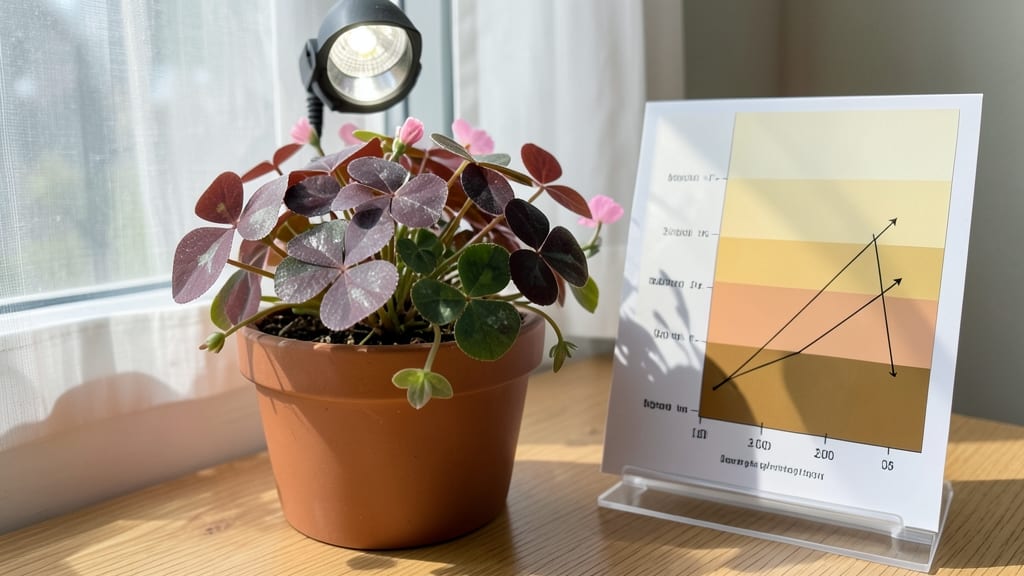
If your shamrock plant 🍀 is struggling to thrive indoors, you’re not alone—most people underestimate how much light these delicate plants truly need. Unlike hardy houseplants, shamrocks demand bright indirect light to stay vibrant, and too little can leave them weak and stretched out.
Here’s the secret: shamrocks love 4-6 hours of morning sun paired with afternoon shade, making east-facing windows their ideal spot. But what if your home lacks natural light? I’ll show you how to mimic these conditions indoors with simple tricks—no fancy equipment required.
Whether you’re dealing with leggy stems or faded leaves, we’ll troubleshoot the most common light-related issues and help you create the perfect growing environment. By the end, your shamrock will be lush, green, and thriving—no guesswork involved.
Ready to transform your plant’s health? Let’s dive into the exact lighting formula your shamrock needs to flourish year-round, no matter where you live.

Optimal light requirements for shamrock plants: bright indirect light explained
Shamrock plants (Oxalis spp.) thrive in bright indirect light, making them perfect for indoor gardeners with limited direct sunlight. Unlike sun-loving plants, shamrocks reject harsh afternoon rays, which can scorch their delicate leaves and cause yellowing or browning within days.
The ideal setup mimics their natural habitat under dappled forest light—think morning sun with afternoon shade.
Most shamrocks tolerate 4-6 hours of filtered light daily, but some varieties like Oxalis regnellii can handle slightly more. If your plant is stretching toward the window or developing pale leaves, it’s craving more light.
Conversely, white or crispy leaf edges signal too much direct sun—time to move it back a few feet.
During winter, when natural light dims, shamrocks may need supplemental grow lights to prevent legginess. A simple LED bulb with a warm white spectrum (2700K-3000K) placed 6-12 inches above for 12-14 hours daily can work wonders. Avoid cool white bulbs—they emit too much blue light, which stresses these shade-loving plants.
Outdoor shamrocks fare best in partial shade gardens, especially in hot climates. In zones 7-9, plant them under deciduous trees that provide shade in summer but allow light in winter. For cooler zones (4-6), they can handle morning sun but still need afternoon protection from intense rays.
🌱 Shamrock Light Requirements Summary
| Light Type | Hours Needed | Best Location | Signs of Stress |
|---|---|---|---|
| Bright Indirect | 4-6 hours | East/west windows, under sheer curtains | Leggy stems, pale leaves |
| Direct Sun | >2 hours | South windows, outdoor midday | Brown leaf tips, crispy edges |
| Low Light | <2 hours | North windows, basements | Stunted growth, sparse foliage |
For indoor shamrocks, east-facing windows are ideal—they provide gentle morning light without the harsh afternoon heat. If your only windows face south, place the plant at least 5 feet away and use a light-colored curtain to diffuse the intensity.
Rotate your pot quarter-turn weekly to ensure even growth, as shamrocks lean toward their light source like sunflowers.
In low-light spaces like basements or north-facing rooms, reflective surfaces can boost brightness. Place a white or light-colored wall behind your shamrock or add a mirror nearby to bounce light onto the leaves.
Pair this with a small 10W LED grow bulb for 8 hours daily to compensate for natural light deficits.
Seasonal adjustments are key: In summer, move shamrocks away from windows to prevent overheating, while in winter, extend their light exposure with a timer-controlled grow light. This mimics the 12-14 hour daylight they’d receive in their native spring habitats.
Pro tip: Group shamrocks with other low-light plants like ferns or calatheas—they’ll all thrive in the same cozy conditions.
Test your shamrock’s light tolerance by observing its leaf color and growth rate. Healthy shamrocks have deep green, glossy leaves and produce clusters of tiny white or pink flowers in spring.
If you notice yellowing leaves, reduce light immediately. If growth slows, it’s time to increase brightness—but never expose it to direct midday sun longer than 1 hour.
Remember, shamrocks are opportunistic growers—they’ll adapt to moderate light but never flourish in extreme conditions. With the right balance, your shamrock will reward you with vibrant foliage and cheerful blooms for years.
Start with bright indirect light, monitor closely, and adjust as needed—your plant will thank you with lush, four-leafed surprises! 🍀
Optimal light requirements for shamrock plants: bright indirect light explained
Shamrock plants (Oxalis spp.) thrive in bright indirect light, but too much direct sun can scorch their delicate leaves. Unlike sun-loving succulents, these plants prefer gentle morning rays followed by dappled shade.
Understanding their light needs is key to avoiding leggy growth or yellowing foliage—two common signs of improper lighting.
Indoor shamrocks need 4-6 hours of filtered light daily, similar to the dappled shade they’d receive under a forest canopy. South-facing windows can be too harsh unless diffused with a sheer curtain, while north-facing windows may not provide enough intensity.
The goal? Mimic their natural habitat where sunlight is soft and scattered.
🌱 Pro Tip: Place your shamrock 1-3 feet away from an east-facing window for perfect morning light exposure. If your home lacks natural light, supplement with a grow light (6-8 hours daily) to prevent stretching.
| Light Condition | Hours Needed | Ideal Location | Signs of Stress |
|---|---|---|---|
| Bright Indirect | 4-6 hours | East/west window, 1-3 ft away | Healthy green leaves, compact growth |
| Low Light | <2 hours | North window or interior room | Leggy stems, sparse leaves |
| Direct Sun | >6 hours | South window without shade | Brown spots, crispy edges |
During winter months, when daylight is scarce, move your shamrock closer to the window or use a 12-hour photoperiod with a grow bulb. Avoid placing it near drafty windows or heat vents, as temperature fluctuations stress the plant.
Consistency in light exposure helps maintain those signature clover-like leaves and vibrant blooms.
💡 Seasonal Adjustment: In summer, if your shamrock starts wilting near a sunny window, rotate it quarter-turns weekly to prevent uneven growth. A sheer curtain can reduce intensity without sacrificing brightness.
Outdoor shamrocks (if grown in gardens) fare best in partial shade gardens—think under trees or on patios with afternoon shade. Container-grown plants can be moved outdoors in spring but should be acclimated gradually to avoid sunburn from sudden exposure.