
Plants
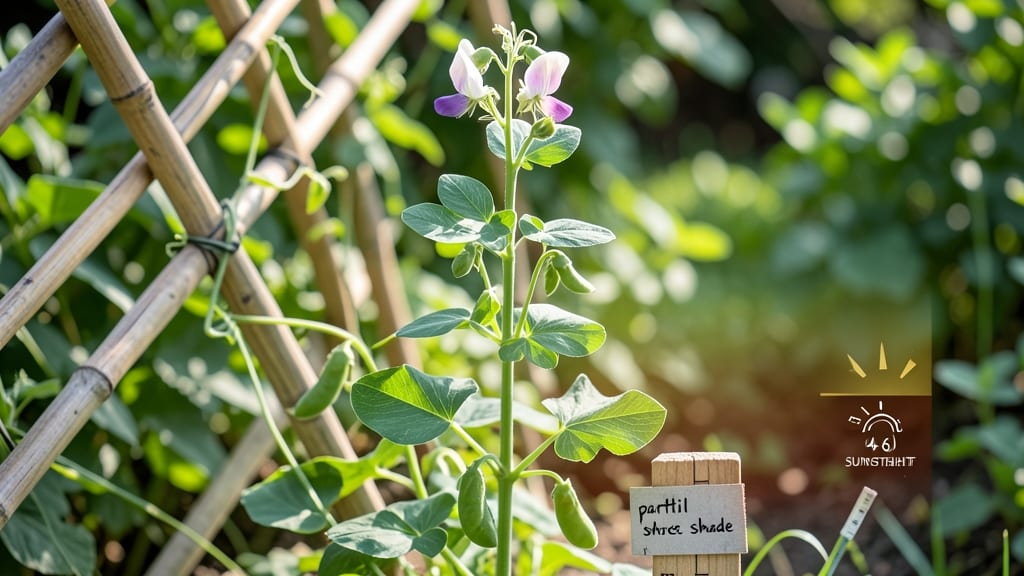
If you’re wondering how much light does a peace plant need, you’re probably guessing wrong about its ideal conditions—drooping leaves, sparse blooms, or yellowing edges often mean the light balance is off. The truth?
This iconic plant thrives in bright, indirect light, but too much direct sun can scorch it, while dim corners stunt its growth. Mastering that balance is the key to keeping your Peace Lily lush and low-maintenance.
Here’s the secret: most homes get it wrong. North-facing windows are ideal, but even east or west light works if filtered. I’ll show you how to spot the signs of over- or under-lighting, plus easy fixes to revive a struggling plant.
No more dead zones—just vibrant foliage and those signature white blooms you love.
Whether you’re dealing with a dark office corner or a sun-drenched living room, we’ll cover everything. You’ll learn how to supplement light naturally, avoid common mistakes (like placing it near harsh windows), and keep your Peace Lily happy year-round.
Ready to transform your space with a thriving Peace Lily 🌿? The right light makes all the difference—and it’s simpler than you think. Let’s dive in.

Peace lily light requirements: the ideal brightness zones explained
Your peace lily (Spathiphyllum) thrives in bright, indirect light—the sweet spot between harsh sun and dim corners. Unlike sun-loving succulents, peace lilies hate direct sunlight, which burns their leaves and causes brown, crispy edges.
Their native tropical understory teaches us they prefer dappled shade, like the filtered light under a canopy.
Think of your peace lily’s ideal light as morning sunlight with afternoon shade. A north-facing window is perfect—it provides gentle, consistent light without the intensity of south or west exposures. Even east-facing windows work well, offering softer morning rays that won’t overwhelm the plant.
Here’s the key: peace lilies tolerate low-light conditions better than most houseplants, but they won’t bloom or grow vigorously in darkness. If your home lacks natural light, don’t despair—artificial grow lights can supplement their needs.
The goal is 2-4 hours of indirect light daily, but they’ll adapt to less if given occasional brighter exposure.
🌿
Understanding your peace lily’s light tolerance scale helps prevent common mistakes. On a 1-10 brightness scale, peace lilies thrive at 3-5—think of it as the difference between a cozy reading nook and a sunlit patio.
A south-facing window (level 8-10) is a death sentence, while a north-facing window (level 3-4) is ideal.
Watch for visual cues that reveal whether your peace lily is getting the right light. Dark green, glossy leaves with occasional white blooms mean it’s happy. Yellowing leaves signal too much light, while drooping or sparse foliage means it’s craving more brightness.
Even brown leaf tips can stem from low humidity (common near heaters) or overwatering in bright light.
Pro tip: Rotate your peace lily quarter-turns every 2 weeks to ensure even growth. Plants lean toward light sources, and uneven exposure can cause lopsided growth or stunted blooms. This simple habit keeps your plant symmetrical and thriving without extra effort.
If you’re unsure about your home’s light levels, try the "shadow test": Place a white sheet near your plant during peak sunlight hours. If the shadow is soft and diffused, it’s a safe spot.
If it’s sharp and dark, move your peace lily farther away or to a different window.
🌱
How to adjust your home’s lighting for a thriving peace lily
Your peace lily’s light needs are flexible, but finding the right balance in your home can make all the difference. North-facing windows are ideal, offering bright indirect light without harsh rays. If your space lacks natural light, don’t worry—peace lilies adapt well to artificial lighting solutions too.
The key is replicating their natural tropical habitat, where dappled sunlight filters through the forest canopy.
Start by assessing your home’s lighting zones. East-facing windows provide gentle morning light, perfect for gradual growth, while west-facing windows can deliver too much afternoon heat. If your peace lily sits near a south-facing window, create a buffer with sheer curtains to diffuse the intensity.
Even a few feet away from direct sun can prevent leaf scorch.
🌿
- Place your peace lily 2-3 feet from a north-facing window for optimal indirect light.
- Use sheer curtains near east or west windows to soften light.
- Avoid south-facing windows unless filtered—direct sun causes leaf burn.
- Use a grow light (LED or fluorescent) for 12-14 hours/day if natural light is lacking.
- Position lights 6-12 inches above the plant for even coverage.
- Rotate the plant quarter-turn weekly to prevent lopsided growth.
- In winter, supplement with grow lights if days are short.
- Move plants closer to windows in fall/winter when sunlight weakens.
- Avoid direct winter sun near glass—it can create hot spots.
If your peace lily isn’t getting enough light, watch for dull, dark green leaves and stunted growth. These are clear signals to boost brightness. A simple LED grow bulb (like a full-spectrum 6500K) can work wonders in dim offices or basements.
Just remember: consistency is key. Peace lilies thrive on stable light conditions, so avoid frequent moves or drastic changes.
For overlighting issues, like crispy brown edges, move the plant farther from the window or add a sheer curtain. Even a white frosted window film can diffuse harsh rays. The goal is to mimic the filtered sunlight of their native rainforest home—soft, steady, and never overwhelming.
Pro tip: Rotate your peace lily every few weeks to ensure even growth. Plants naturally lean toward light sources, so a gentle quarter-turn keeps them balanced and bushy. This small habit prevents lopsided foliage and ensures your plant stays symmetrical and healthy.
With these adjustments, your peace lily will reward you with glossy leaves and frequent white blooms, proving that even low-light spaces can nurture stunning tropical beauty. 🌱