
Plants
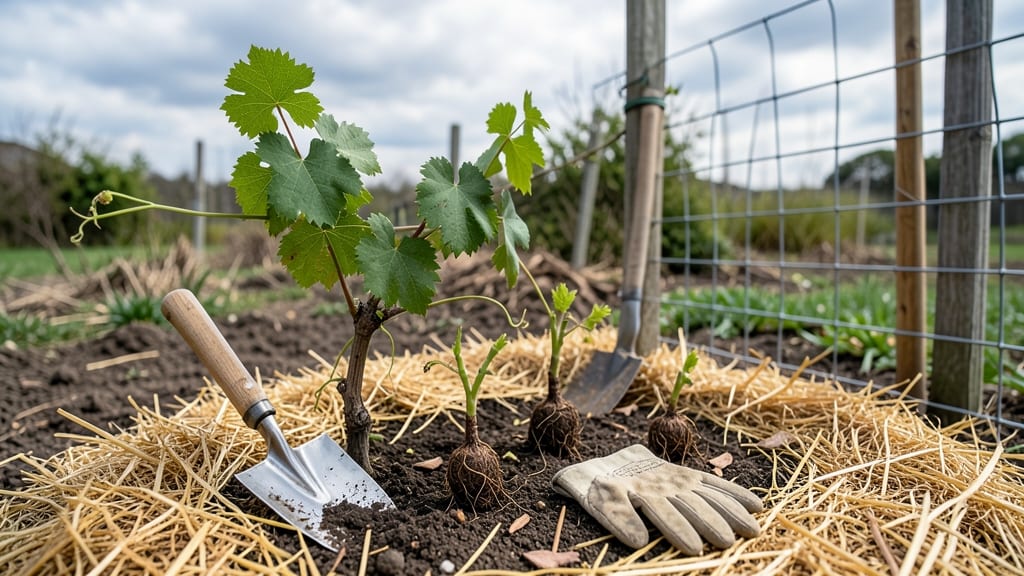
Timing your 🍇 grape planting in NC right could mean the difference between a thriving vineyard and years of disappointment.
With North Carolina’s diverse climate—from the cooler mountain regions to the warmer coastal plains—getting the schedule wrong can leave your vines struggling to produce the sweet, juicy fruit you’re dreaming of.
Most gardeners in USDA zones 6a-8b know the general rule: late winter to early spring is prime time. But here’s the catch—your grape variety’s chill-hour needs play a huge role.
A Muscadine, for example, thrives with fewer chill hours than a Cabernet Sauvignon, meaning their planting windows can shift by weeks depending on where you live.
In this guide, I’ll break down exactly when to plant each type of grape in your corner of NC, including how to adjust for last frost dates and regional microclimates.
You’ll learn how to match your vines to your local conditions, avoid common pitfalls, and set your grapes up for a successful harvest from August to October.
Whether you’re a first-time grower or a seasoned vineyard enthusiast, getting the timing right is the key to lush, productive vines. Let’s dive into the details so you can start planting with confidence—no guesswork required.
NC grape planting timeline by chill-hours and variety
North Carolina’s diverse climate—from the cool mountain regions to the warmer coastal plains—means grapes thrive only when planted at the right time. The secret? Matching your variety’s chill-hour needs to your local USDA zone (6a-8b).
High-chill varieties like Cabernet Sauvignon need 800+ chill hours, while low-chill Muscadines thrive with just 200-300 hours.
Spring planting (February–April) is ideal for most NC growers, but fall planting (October–November) works for dormant bare-root vines in zones 7-8. The key is planting 4-6 weeks before last frost—typically mid-March in the mountains and early April near the coast.
Soil temperatures should be above 50°F (10°C) to prevent root rot.
🍇
| Variety | Chill-Hours | Best Planting Window | Soil Temp Threshold | Frost Risk Zone |
|---|---|---|---|---|
| Cabernet Sauvignon | 800-1,000 | Feb 15–Mar 15 | 50°F (10°C) | Mountains (6a-7a) |
| Norton (Cynthiana) | 500-600 | Mar 1–Apr 1 | 55°F (13°C) | Piedmont (7a-7b) |
| Muscadine (Scuppernong) | 200-300 | Mar 15–Apr 15 | 60°F (16°C) | Coastal (7b-8b) |
| Chambourcin | 400-500 | Feb 28–Mar 31 | 52°F (11°C) | Piedmont/Coastal (7a-8a) |
For high-chill varieties like Cabernet Sauvignon, plant in late winter (February) to ensure buds break dormancy before late spring frosts. In NC’s mountains (USDA 6a), aim for February 15–March 1 when soil temps hit 50°F (10°C).
In coastal zones (7b-8b), wait until mid-March to avoid winter dieback from lingering cold snaps.
🌡️
If you’re in zone 7a or warmer, consider fall planting (October–November) for dormant vines. This gives roots time to establish before winter, but avoid planting after November 15—new roots won’t harden before first frost.
For container-grown grapes, plant in late April to extend the growing season, but move pots to a protected location if frost is forecasted.
Pro tip: Use a soil thermometer to monitor temps—grapes won’t thrive if planted in cold, soggy soil. Amend your soil with compost and sand to improve drainage, especially in clay-heavy NC soils. Mulch with straw or wood chips to regulate soil temperature and retain moisture.
✂️
One common mistake is planting high-chill varieties too late in warmer zones. For example, a Cabernet Sauvignon planted in April in Raleigh (7b) may never fully ripen due to insufficient chill hours.
Always check your local NC State Extension office for microclimate-specific advice. They can provide chill-hour maps and frost date forecasts tailored to your county.
For Muscadines, which are native to NC, timing is less critical—plant in early spring (March–April) when soil is workable. These varieties are heat-tolerant and handle coastal humidity better than European grapes.
If you’re growing table grapes like Thompson Seedless, plant in late winter (February) for a summer harvest.
How to adjust planting dates for NC’s microclimates
North Carolina’s diverse geography—from the cool mountain valleys to the warm coastal plains—means your grape planting timeline should shift based on where you live. Even within a single county, a 10-degree temperature difference can change your ideal planting window by weeks.
Let’s break down how to fine-tune your schedule for your specific microclimate.
For mountain regions (USDA Zones 6a-7a), like the Blue Ridge Escarpment, aim to plant bare-root vines in early March when soil temperatures hit 45°F.
These areas experience later last frosts (March 15-April 1) and shorter growing seasons, so high-chill varieties like Cabernet Franc thrive here with proper timing.
In the Piedmont (Zones 7b-8a), where cities like Raleigh and Greensboro sit, late February to early March works best. The urban heat island effect can push soil temps up faster, so monitor soil thermometers—plant when it’s consistently 40-45°F.
This zone is perfect for moderate-chill grapes like Norton or Catawba.
- Mountains (Zones 6a-7a): Plant March 1-15 (soil 45°F+). Use row covers for frost protection until April.
- Piedmont (Zones 7b-8a): Plant Feb 28-March 15 (soil 40-45°F). Mulch with straw to retain warmth.
- Coastal Plains (Zones 8a-8b): Plant March 15-April 1 (soil 50°F+). Choose low-chill varieties like Muscadine to avoid heat stress.
- Urban Heat Islands: Plant 2-3 weeks earlier than rural areas. Test soil temps—avoid planting if >50°F to prevent root shock.
- Elevation Rule: Add 1 week of delay per 1,000 ft elevation gain in the mountains to avoid early-season frosts.
If you’re near the coast (Zones 8a-8b), like Wilmington or Morehead City, wait until mid-March to early April when soil temps reach 50°F.
Coastal areas have milder winters but higher humidity, which can encourage fungal diseases—so space vines wider (6-8 ft apart) and use drip irrigation to keep foliage dry. Muscadine grapes are your best bet here due to their low chill-hour needs (200-400 hours).
For urban gardeners, heat from buildings and pavement can create a microclimate 5-10°F warmer than surrounding areas.
To adapt, plant 2-3 weeks earlier than rural guidelines and use shade cloth (30%) during extreme heat waves. Container-grown grapes in cities also benefit from black plastic mulch to warm roots faster in spring.
Pro tip: Check NC State Extension’s frost maps (updated annually) for your exact location. For example, Asheville’s last frost averages March 15, while Charlotte’s is March 31. Adjust your planting date 3-4 weeks before your local last frost date to account for root establishment time.