
Plants
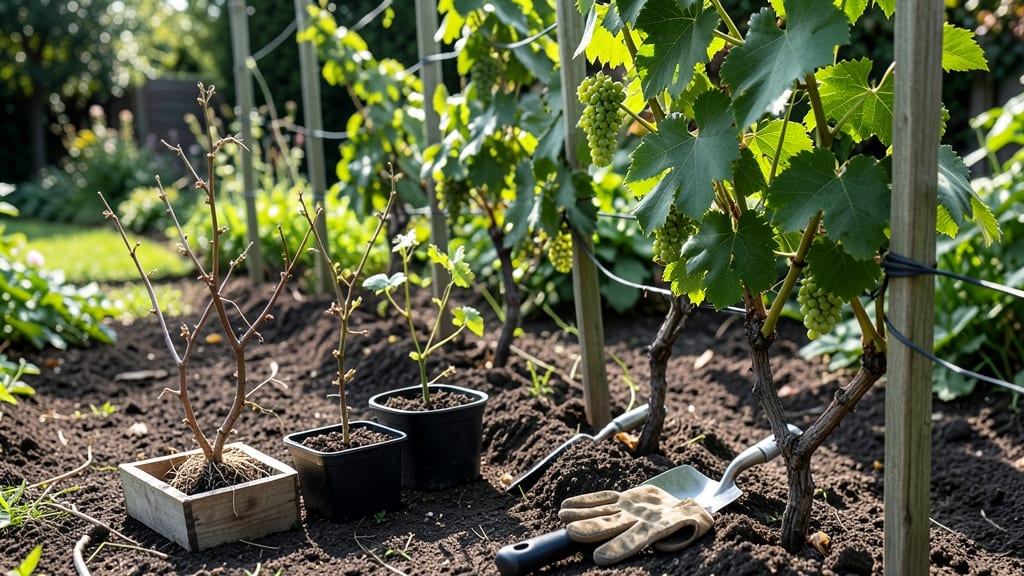
Timing your grape vine 🍇 planting in Texas can make the difference between a thriving harvest and a struggling vine. Plant too early, and the heat will stress young roots; too late, and frost might damage tender shoots before they establish.
The secret lies in understanding your region's microclimate—whether you're in North Texas with its chilly winters or South Texas's extended growing season.
For most Texas gardeners in zones 8a-10b, the ideal window is late winter (January-February) or early spring (March), just as the soil warms but before summer's brutal heat sets in.
But here's the catch: Muscadine varieties love the heat and can handle early spring planting, while cooler-climate Vinifera grapes need that late winter timing to avoid stress. Let me break down exactly when to plant based on your variety and location.
You'll also discover how to prep your soil for Texas's clay-heavy conditions, whether to plant in-ground or containers, and the critical care steps that keep your vines thriving through our long, hot summers.
Skip these details, and you might end up with weak growth or poor fruit set—something no Texas gardener wants after all that hard work.
By the end, you'll have a clear planting schedule tailored to your specific grape type and region, plus pro tips to avoid common Texas pitfalls. Let's get those vines in the ground at the perfect moment for maximum success—and those juicy grapes you've been dreaming of.
Best planting months for grape vines in Texas by region
Texas’s diverse climate means grape vine planting times vary dramatically from North Texas to South Texas.
In colder regions like Lubbock or Amarillo (Zone 8a), frost can linger until mid-March, while Houston or San Antonio (Zone 9a-10b) enjoys mild winters with frost-free periods starting as early as January. Timing your plantings to avoid extreme heat or frost is critical for root establishment.
For North Texas gardeners, the safest window is late February to early March, after the average last frost date of February 15. This gives young vines time to root before summer’s intense heat.
In Central Texas (Austin, San Antonio), you can plant as early as January or stretch into early April, balancing frost risk with heat tolerance.
South Texas (Corpus Christi, Brownsville) offers the most flexibility, with ideal planting from December through March. Here, winter temperatures rarely drop below freezing, allowing for extended growing seasons. However, avoid planting in summer months—grapes will struggle with 100°F+ heat and poor root development.
🌱
| Region | USDA Zone | Last Frost Date | Best Planting Window | Key Consideration |
|---|---|---|---|---|
| North Texas | 8a-8b | Feb 15 | Late Feb–Early Mar | Avoid early planting; frost risk high. |
| Central Texas | 8b-9a | Mar 1 | Jan–Early Apr | Balanced frost/heat risk; extend into spring. |
| South Texas | 9b-10b | Dec 15 | Dec–Mar | Mild winters; avoid summer planting. |
If you miss the ideal window, fall planting (October-November) is a secondary option for South and Central Texas. Young vines planted in fall will establish roots before winter dormancy, giving them a head start in spring.
However, avoid fall planting in North Texas—early frosts can damage tender roots before they harden.
For container-grown grape vines, timing is slightly more flexible. You can plant bare-root vines in late winter (February) or potted vines in early spring (March), as containers offer some frost protection.
Just ensure your containers have drainage holes and use a lightweight potting mix to prevent root rot in Texas’s heavy clay soils.
One common mistake Texas gardeners make is planting too late in spring (April or May). By then, the heat is intense, and vines struggle to establish before summer dormancy sets in. If you’re late, opt for shade cloth during the first few weeks to reduce stress on young plants.
🌿
Regardless of your region, always acclimate grape vines for 1-2 weeks before transplanting. Harden off container-grown plants by gradually exposing them to outdoor conditions, and avoid planting when soil temperatures exceed 80°F. Use a soil thermometer to monitor—ideal planting temps are 60-70°F.
Finally, remember that Muscadine grapes (native to Texas) are more heat-tolerant than Vinifera varieties. If you’re growing European grapes, prioritize early spring planting to give them time to mature before summer’s peak heat.
For hybrid varieties, follow the regional guidelines above but monitor vines closely for heat stress symptoms like yellowing leaves or wilting.
☀️
Grape variety planting guide: when to plant Muscadines vs. Vinifera vs. hybrid vines
Choosing the right grape variety for Texas means matching your planting timeline to the vine’s heat tolerance and growth habits. Not all grapes thrive in our hot summers—some need cooler starts, while others crave early warmth.
Let’s break down the best planting windows for Texas’s top three types: Muscadines, Vinifera, and hybrid varieties.
Muscadine grapes, like ‘Scuppernong’ or ‘Cowart’, are heat-loving and drought-tolerant, making them perfect for South and Central Texas. These vines need early spring planting (March) to beat the peak summer heat while still establishing roots before monsoon rains arrive.
Planting in late winter (February) works in North Texas, where nights stay cooler.
Vinifera grapes, such as ‘Cabernet Sauvignon’ or ‘Chardonnay’, prefer cooler climates and are best planted in late winter (January–February) across all Texas regions. These vines struggle with extreme heat, so early planting gives them time to acclimate before summer. Avoid planting in spring’s rising temperatures—they’ll bolt (flower prematurely) and produce poor fruit.
Hybrid varieties, like ‘Bluebunch’ or ‘Cynthiana’, blend the best traits of both types and offer flexibility. They thrive when planted in early spring (March) in South Texas or late winter (February) in North Texas.
Hybrids handle heat better than Vinifera but still need well-draining soil to avoid root rot in Texas’s clay-heavy soils.
| Variety | Best Planting Month | Why This Timing? | Texas Regions |
|---|---|---|---|
| Muscadines | March (South/Central TX) February (North TX) |
Heat-tolerant; avoids summer stress | South, Central, North |
| Vinifera | January–February (All Regions) | Needs cooler start; bolts in heat | North, Central, South |
| Hybrids | March (South TX) February (North/Central TX) |
Balanced heat/drought tolerance | All Regions |
For container-grown vines, adjust timelines slightly—plant Muscadines in February (anywhere) to give roots time to establish before summer heat intensifies. Vinifera in containers need January planting to prevent root-bound stress during Texas’s 100°F+ days. Always harden off container vines for 1–2 weeks before transplanting to avoid shock.
Pro tip: If you miss the ideal window, fall planting (October–November) works for Muscadines and hybrids in North Texas. Just mulch heavily to protect roots from winter freezes. Vinifera, however, never recover well from late-season transplants—stick to winter for these.