
Plants
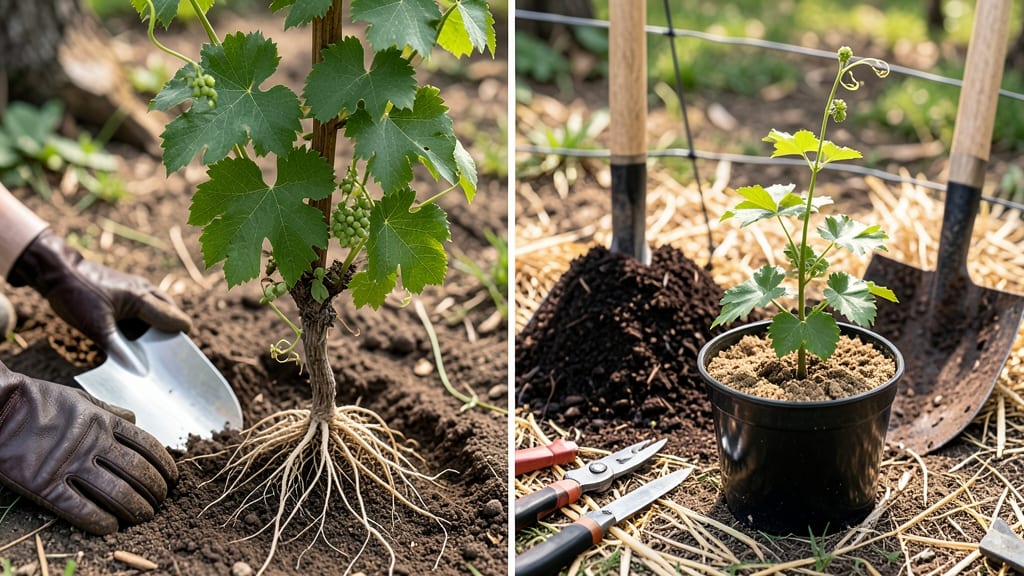
Knowing when to plant grapes in Illinois could mean the difference between a lush, fruit-bearing vine and a frost-bitten disappointment. With USDA Zones 5b-6b bringing unpredictable spring frosts, timing is everything for your 🍇 vines to thrive.
Most Illinois gardeners swear by early spring planting—between March and April—when soil warms enough to support root growth, but fall planting in September or October also works if you choose dormant vines.
The key is beating that last frost (usually around April 15), so your grapes get a head start on their 120-day growing season.
You’ll want to pick cold-hardy varieties like Concord or Frontenac, which handle Illinois’ swings better than delicate European grapes. But here’s the catch: even the best timing won’t save you from late frosts. That’s why I’ll show you how to outsmart Mother Nature with microclimates and protective tricks.
Ready to turn your backyard into a grape haven? Let’s break down the exact planting windows, soil prep secrets, and frost-fighting strategies tailored for Illinois growers—so you can enjoy homegrown grapes from August to October.
Illinois grape planting deadlines by USDA Zone and frost dates
Grapes thrive in Illinois’ USDA Zones 5b-6b, but timing your planting is everything. The last average frost date across most of the state is April 15, while the first frost typically arrives around October 15.
This gives you a 165-day frost-free window—critical for establishing strong roots before winter. However, Northern Illinois (Zone 5b) faces earlier frosts than Southern Illinois (Zone 6b), so adjust your schedule accordingly.
For spring planting, aim to get your bare-root vines in the ground 4-6 weeks before the last frost. That means March 15-April 1 for most of the state.
If you’re in Northern Illinois, plant even earlier—by late March—to avoid late-season frost damage. Fall planting is also an option, but you’ll need to plant 6-8 weeks before the first frost, or around September 1-October 1.
Here’s where it gets tricky: Chicago and the northern suburbs often experience late spring frosts well into May, while Southern Illinois can have earlier last frosts in March. Microclimates matter—urban areas may stay warmer than rural spots, and south-facing slopes warm up faster.
Always check your local frost dates using the Midwestern Regional Climate Center for precision.
Now, let’s break down the exact planting windows by region and variety type to ensure you’re planting at the optimal time for success.
| Region | USDA Zone | Last Frost Date | Spring Planting Window | Fall Planting Window | Best Varieties |
|---|---|---|---|---|---|
| Northern Illinois (Chicago, Rockford) | 5b | April 22 | March 15-April 1 | September 1-October 1 | Concord, Niagara, Frontenac |
| Central Illinois (Peoria, Springfield) | 6a | April 15 | March 30-April 15 | September 15-October 10 | Marquette, Valvin Muscat |
| Southern Illinois (Carbondale, Marion) | 6b | April 1 | March 15-April 15 | September 15-November 1 | Catawba, Chardonnay |
If you’re planting in Northern Illinois, prioritize early-maturing varieties like Concord or Niagara to avoid frost damage during flowering. These varieties can handle cooler climates and still produce a reliable harvest.
In Southern Illinois, where winters are milder, you can experiment with European wine grapes like Chardonnay or Cabernet Franc, but they’ll need extra winter protection.
One common mistake I see is planting too late in spring. If your vines don’t establish roots before summer heat sets in, they’ll struggle to survive. Always amend your soil with compost or aged manure before planting to improve drainage and fertility.
Grapes hate waterlogged soil, so if your yard has heavy clay, consider building a raised bed or installing a drainage system.
For fall planting, choose a day when temperatures are below 60°F but above freezing. This helps vines establish roots before winter dormancy. Water deeply after planting to settle the soil and reduce air pockets around the roots.
Mulch with straw or wood chips to insulate the soil and retain moisture during dry spells.
Remember, grapes need full sun—at least 6-8 hours daily. If your yard is shady, consider installing a trellis system to maximize sunlight exposure. In urban areas, south-facing walls or fences can create microclimates that extend the growing season by 1-2 weeks.
Always monitor local weather forecasts in late spring for frost warnings, and be ready to cover young vines if needed.
Finally, if you’re new to grape growing, start with 1-2 vines to test your site’s conditions. Grapes are a long-term investment—they can live for 50+ years if cared for properly. By following these region-specific deadlines, you’ll set your vines up for a bountiful harvest year after year. 🍇
Best grape varieties for Illinois planting and their ideal timing
Choosing the right grape varieties for Illinois is just as important as timing—some thrive in the USDA Zones 5b-6b while others struggle with our late spring frosts.
I’ve tested Concord, Niagara, Frontenac, and Marquette over the years, and these four stand out for their cold hardiness and reliable yields.
For spring planting (March-April), I recommend starting with Concord grapes—they’re the most frost-tolerant and perfect for northern Illinois where frosts linger. If you’re in southern Illinois (Zone 6b), Niagara grapes offer sweeter fruit and slightly earlier harvests, making them ideal for extended growing seasons.
🍇 Top Grape Varieties for Illinois
| Variety | Best Planting Month | Cold Hardiness | Harvest Window |
|---|---|---|---|
| Concord | March-April | Zone 5b+ | Late August |
| Niagara | April-May | Zone 6a+ | Early September |
| Frontenac | September-October | Zone 4b+ | Mid-September |
| Marquette | March-April | Zone 5b+ | Late September |
*Frontenac and Marquette are hybrid varieties with superior frost resistance.
If you prefer fall planting (September-October), Frontenac grapes are my top pick—they’re disease-resistant and handle Illinois winters like a champ. I’ve seen them survive -20°F with minimal protection, which is unheard of for most grapes. Marquette grapes also excel in fall, offering red wine-quality fruit that ripens just before frost.
For soil preparation, I swear by amending with composted manure and gravel to improve drainage—grapes hate soggy roots. Test your soil’s pH (6.0-6.5) and adjust with lime if needed. I plant mine on a south-facing slope to maximize sun exposure and warmth retention.
Pro tip: If you’re in Zone 5b, delay planting Niagara grapes until mid-April to avoid late frosts. I’ve lost entire vines by planting too early—don’t make my mistake! For container growing, choose dwarf varieties like Valiant and plant in large pots with drainage holes.
Once established, grapes need minimal care but prune annually in late winter to shape the vine. I use sharp pruners and remove dead wood while keeping 2-3 buds per cane. With the right variety and timing, you’ll be harvesting homegrown grapes in 3-4 years—worth the wait! 🍇