
Plants
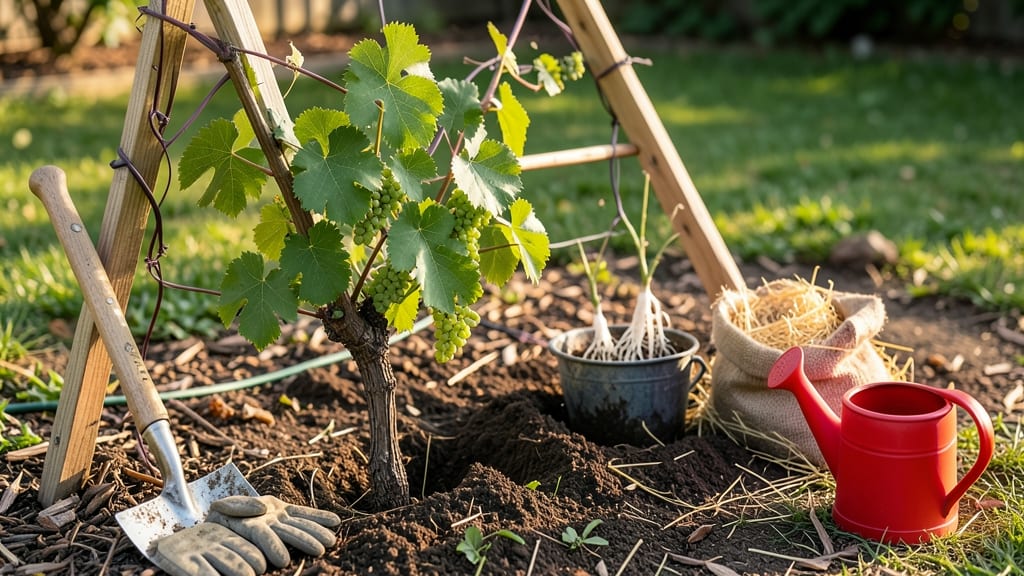
Planting grapes in Georgia isn’t just about waiting for spring—it’s about matching your variety to the chill hours your region delivers. With USDA zones 7b-8b offering a unique climate, timing your 🍇 vines for late winter to early spring can make or break your harvest.
Most gardeners in Georgia assume all grape varieties thrive under the same schedule, but that’s a recipe for disappointment. The key? Understanding how Muscadines (low chill) differ from Cabernet Sauvignons (higher chill) and when to plant each for maximum success.
I’ll walk you through the exact planting windows for Georgia’s most popular varieties, including soil prep tricks to handle our humid summers. Skip the guesswork and learn how to time your planting for healthier vines and bigger yields.
Whether you’re a backyard grower or dreaming of a small vineyard, these insights will help you avoid common pitfalls. Let’s get those roots in the ground at the perfect moment!
Georgia grape planting timeline by chill hour requirements
Georgia’s growing zones 7b-8b create a unique challenge for grape growers: too much heat without enough winter chill can stress vines. Most grape varieties need 200-1,200 chill hours (temperatures between 32°F-45°F) to produce fruit, but Georgia’s mild winters often fall short for traditional European varieties.
The key? Planting at the right time and choosing varieties that match your local chill hours.
In Georgia, the ideal planting window runs from late February to early April, just before the last expected frost (around March 15). This timing ensures vines establish roots before summer heat arrives.
However, varieties with low chill hour requirements (300-500 hours) can be planted as early as January in protected microclimates, while high-chill varieties (800+ hours) may need fall planting in cooler northern Georgia.
Here’s how Georgia’s three main chill hour zones influence your planting schedule:
| Zone | Chill Hours | Best Planting Month | Top Varieties | Key Tip |
|---|---|---|---|---|
| Southern GA (Zone 8b) | 300–500 | February–March | Muscadine, Scuppernong, Catawba | Use shade cloth in summer |
| Central GA (Zone 7b-8a) | 500–800 | March–early April | Norton, Chardonnay, Cabernet Franc | Mulch heavily to retain moisture |
| Northern GA (Zone 7a) | 800–1,200 | Late February–March (or fall) | Cabernet Sauvignon, Merlot, Riesling | Fall planting reduces spring stress |
For Muscadine grapes (a Georgia native), aim for February planting—they thrive in the state’s heat but need early establishment. Meanwhile, European varieties like Cabernet Sauvignon should go in late winter in northern Georgia or fall to accumulate enough chill hours.
Always check your local last frost date (typically March 15 in most of Georgia) and adjust by 2–3 weeks for safety.
If you’re planting in containers, start 4–6 weeks earlier (around January) to give roots time to establish before transplanting. Container-grown vines also warm up faster in spring, so monitor soil temperature—it should reach 60°F+ before planting.
Use a soil thermometer to avoid planting too early when roots can’t absorb nutrients efficiently.
Georgia’s humidity and summer heat can stress young vines, so prioritize well-draining soil and morning watering to prevent fungal diseases like powdery mildew. After planting, mulch with wood chips or straw to keep roots cool and retain moisture. Avoid synthetic mulches—they can overheat soil in Georgia’s intense sun.
One common mistake is planting too late in spring (after April 15), which delays root growth and reduces yield. Instead, use bare-root vines (available in winter) and plant them as soon as soil is workable.
For potted vines, remove the container and score the root ball to encourage root spread into Georgia’s clay-heavy soils.
Pro tip: If you’re in Zone 8b, consider fall planting in November for varieties like Norton—the cooler temps help vines establish before summer’s heat peaks. Just avoid planting after November 1, as roots may not harden off before winter rains arrive.
Finally, always test your soil’s pH (ideal range: 5.5–6.5 for grapes) and amend with compost or sulfur if needed. Georgia’s native soils are often acidic, which can stunt vine growth. A simple $20 soil test kit from your local extension office will save you from costly mistakes.
With the right timing and variety, your Georgia grapevine can produce juicy fruit by late summer—just in time for homemade wine, jams, or fresh eating! 🍇
Georgia grape planting timeline by chill hour requirements
Georgia’s USDA zones 7b-8b create unique challenges for grape growers, where chill hours (temperatures between 32°F and 45°F) determine which varieties thrive. Most Georgia varieties need 300–1,200 chill hours, but timing your planting to avoid late spring frosts (common until March 15) is critical.
Let’s break down the best windows for each chill hour category.
For low-chill varieties (300–600 hours), like Muscadine or Scuppernong, plant in late February to early March when soil temperatures reach 55°F+. These grapes tolerate Georgia’s heat but need early establishment to fruit by August harvest.
Higher-chill varieties (600–1,200 hours), such as Norton or Cabernet Sauvignon, should wait until mid-March to avoid frost damage to emerging buds.
Here’s a quick reference for Georgia’s chill hour zones and their ideal planting windows:
Adjust your planting date based on local microclimates. Northern Georgia (e.g., Blue Ridge Mountains) may need 2–4 weeks earlier due to cooler temperatures, while southern regions (e.g., Savannah) can plant up to April 1 for low-chill varieties.
Always monitor NOAA frost forecasts and use frost cloth if planting near March 15.
Pro tip: Bare-root grapes planted in February establish roots before spring growth, while potted vines can wait until April when soil warms. Mulch heavily with straw or wood chips to protect roots from temperature swings. Avoid planting in waterlogged soil, as Georgia’s clay-heavy areas need amended drainage.
Once planted, focus on trellis training by May to maximize sunlight exposure—a critical factor for Georgia’s high summer heat. Prune in late winter to shape vines and remove disease-prone canes, a common issue in Georgia’s humid climate.
Timing your grape planting to Georgia’s chill hour zones and frost risks sets the stage for a bountiful harvest. With the right variety and care, you’ll enjoy homegrown grapes from August through October—just in time for fresh eating or winemaking! 🍇