
Plants
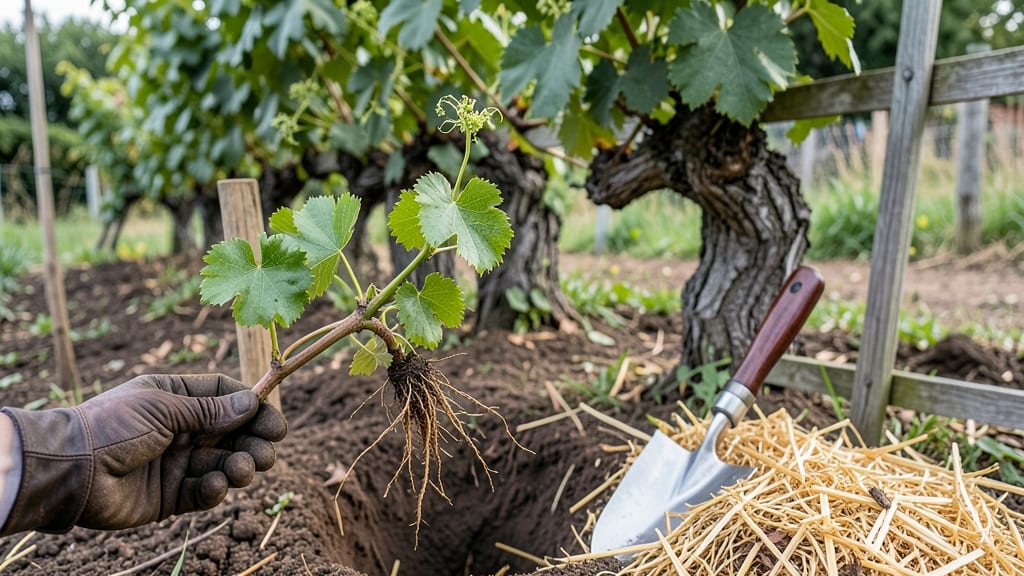
Timing your grape vine planting in Illinois isn’t just about the calendar—it’s about dodging frost, giving roots time to settle, and setting your 🍇 up for a bountiful harvest.
In USDA Zones 5B and 6A, planting too early risks frost damage, while waiting too long can stunt growth before winter hits.
Most Illinois gardeners swear by two windows: mid-April to mid-May for spring and early September to mid-October for fall. But here’s the catch—your local microclimate matters more than the zone alone. A sheltered spot might shave weeks off frost risk, while low-lying areas demand extra caution.
I’ll walk you through the exact soil prep, frost-free deadlines, and variety-specific tips to ensure your grape vines thrive. Whether you’re growing table grapes or wine grapes, these insights will help you avoid the 5 biggest planting mistakes Illinois growers make.
Ready to turn your backyard into a vineyard? Let’s get your 🍇 off to the strongest start possible—no guesswork, just proven strategies for Zone 5-6 success.
Best planting windows for grape vines in Illinois (Zone 5B/6A)
Timing is everything when planting grape vines in Illinois. The USDA Zones 5B and 6A offer two prime windows: spring and fall, each with unique advantages.
Spring planting (April 15–May 15) aligns with soil warming and bud break, while fall planting (September 1–October 15) lets vines establish roots before winter dormancy. Both methods work, but your choice depends on frost risk and soil conditions.
For spring planting, wait until after the last frost date (typically mid-April in Illinois). Planting too early risks frost damage to tender new growth. Fall planting, however, allows vines to develop a robust root system before winter, giving them a head start in spring.
This is especially beneficial for wine grapes and native varieties like Concord, which thrive with early root establishment.
Soil temperature is critical. Grape vines need soil to reach at least 50°F (10°C) for successful planting. In Illinois, this usually occurs by mid-April in southern regions but may linger into early May in northern areas.
Use a soil thermometer to confirm—this small tool can save you from planting too soon and risking root rot or stunted growth.
Microclimates in Illinois add complexity. Urban areas like Chicago may experience earlier soil warming due to heat islands, while rural areas in northern Illinois (e.g., Zone 5B) can stay colder longer.
Check local frost data from the Midwestern Regional Climate Center to fine-tune your timing. For example, Champaign-Urbana often sees its last frost around April 10, while Peoria might wait until April 15.
Another key factor is variety selection. Cold-hardy grapes like Marquette or Frontenac can handle earlier spring planting, while tender varieties like Cabernet Sauvignon need warmer soil and later dates.
Always choose varieties labeled for Zone 5 or 6 to avoid disappointment. Pairing the right grape with the right timing maximizes your chance of a bountiful harvest.
| Planting Window | Soil Temp Requirement | Frost Risk | Best For |
|---|---|---|---|
| Spring (April 15–May 15) | 50°F+ (10°C+) | Low (post-last frost) | Fast growth, early harvest |
| Fall (September 1–October 15) | 45°F+ (7°C+) | Moderate (before first frost) | Root establishment, winter hardiness |
| Avoid | Below 40°F (4°C) | High (frost likely) | Stunted growth, root damage |
If you’re planting in fall, aim to finish by October 15 to allow roots to establish before the first frost (typically late October in Illinois). Bury the graft union (the swollen area on the vine) 2–3 inches below soil for extra cold protection.
This simple trick can mean the difference between a vine that survives winter and one that succumbs to freeze damage.
For container growing, timing shifts slightly. Potted grape vines can be planted 2 weeks earlier in spring or 2 weeks later in fall because containers warm up faster.
However, move containers indoors or to a sheltered spot before temperatures drop below 20°F (-7°C). In Illinois, this usually means bringing pots inside by November 1.
Don’t overlook moon planting phases, a tradition with anecdotal benefits. Many Illinois grape growers swear by planting during the waxing moon (when the moon is growing brighter) for stronger root development.
While science doesn’t back this fully, it’s a fun way to align with nature’s cycles. Pair this with your chosen planting window for the best results.
Finally, test your soil before planting. Illinois’ clay-heavy soils can compact easily, suffocating roots. Aim for a pH of 6.0–7.0 and amend with compost or sand if needed. Well-prepared soil ensures your grape vines thrive from day one, whether you plant in spring or fall.
With the right timing and care, you’ll be enjoying homegrown grapes in August or September.
Best planting windows for grape vines in Illinois (Zone 5B/6A)
Timing is everything when planting grape vines in Illinois, where USDA Zones 5B and 6A bring unpredictable frost and heat swings. The ideal planting windows are late spring (April 15–May 15) or early fall (September 1–October 15), aligning with soil temperatures and frost risks.
Spring planting gives vines a full growing season to establish roots before winter, while fall planting allows for root growth before dormancy.
For spring planting, wait until after the last frost date (typically April 15) but before soil temperatures exceed 70°F (around May 15). This ensures roots establish before summer heat stress.
Fall planting should occur 6–8 weeks before the first frost (around October 20), giving vines time to harden off. Native varieties like Concord grapes thrive in these windows, while wine grapes may need slightly later spring planting.
📅 Grape Vine Planting Timeline for Illinois
| Season | Planting Window | Soil Temp Requirement | Key Consideration |
|---|---|---|---|
| Spring | April 15–May 15 | 50–65°F (10–18°C) | Avoid late frosts; roots need 6–8 weeks to establish. |
| Fall | September 1–October 15 | 55–60°F (13–16°C) | Plant 6–8 weeks before first frost; vines need time to harden. |
💡 Pro Tip: Use a soil thermometer to confirm temperatures before planting.
Microclimates in Illinois can shift planting windows by 2–3 weeks. For example, northern Illinois (Zone 5B) may need to delay spring planting until May 1 to avoid late frosts, while southern Illinois (Zone 6A) can plant as early as April 1.
Always check your local frost dates and monitor weather forecasts for sudden cold snaps.
Choose disease-resistant varieties like 'Valiant' or 'Frontenac' for Illinois’ humid climate. These varieties handle powdery mildew and black rot better than traditional European grapes. Planting in full sun (6+ hours daily) and spacing vines 6–10 feet apart improves airflow, reducing fungal risks during Illinois’ humid summers.
After planting, mulch with wood chips (3–4 inches) to retain moisture and regulate soil temperature. In spring, mulch helps prevent soil temperature fluctuations that can stress young roots, while in fall, it insulates roots from early frosts. Avoid organic mulches like straw, which can harbor grapevine diseases.
Monitor your vines closely after planting. New growth should appear within 4–6 weeks in spring or 6–8 weeks in fall. If growth stalls, check for root rot (common in Illinois’ clay soils) or dehydration.
Adjust watering to keep soil consistently moist but not soggy—a critical balance for grape vine health in Illinois’ variable climate. 🌱