
Plants
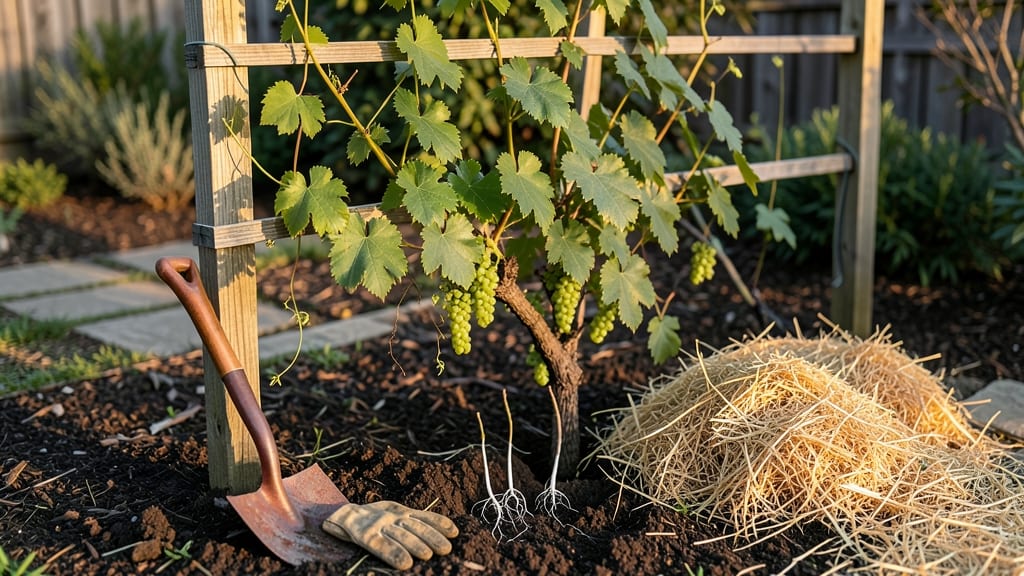
Planting grapes in Florida might seem tricky with its warm climate, but timing can make all the difference for thriving vines. The key lies in understanding chill-hour needs and regional microclimates—whether you’re growing Muscadines in the north or heat-loving varieties in the south.
Most Florida gardeners find late winter or early spring the sweet spot, when temperatures are mild and soil is workable. This timing helps vines establish strong roots before summer’s heat sets in, giving them the best shot at a productive harvest.
But not all grapes are created equal—some varieties need more chill hours than others.
In this guide, I’ll break down the best planting windows for your grape variety, from Muscadines that love Florida’s humidity to low-chill types perfect for the state’s frost-free zones. You’ll also learn how to prep your soil and avoid common mistakes that can derail your vines.
Ready to grow grapes that burst with flavor? Let’s dive into the science—and the secrets—of planting 🍇 in Florida’s unique climate.
Optimal planting months for Florida grapes by chill-hour requirements
Florida’s frost-free winters mean you can plant grapes year-round, but timing depends on your grape variety’s chill-hour needs. Most Florida-friendly grapes thrive when planted in late winter or early spring (January–March) to avoid summer heat stress.
Let’s break down the best planting windows for high-chill, moderate-chill, and low-chill varieties—plus soil prep tips for Florida’s sandy soils.
For high-chill varieties (400+ hours), like Muscadines, aim for December–February to give roots time to establish before summer’s heat. Moderate-chill grapes (200–400 hours), such as Crimson Seedless or Blush, do best in January–March. Low-chill varieties (0–200 hours), like Black Spanish or Scuppernong, can handle spring or even summer planting but need afternoon shade in South Florida’s extreme heat.
Soil prep is critical in Florida’s sandy, well-draining soils. Amend with 2–3 inches of compost and a balanced fertilizer (6-10-10) before planting. For container-grown vines, use a fast-draining potting mix with perlite.
Planting in raised beds improves drainage in heavy clay areas, while mulching with pine straw retains moisture in sandy soils.
Transplanting bare-root vines? Soak roots in water for 2–4 hours before planting to reduce shock. Space vines 8–10 feet apart for vigorous varieties like Scuppernong, or 6–8 feet for compact types. Install a trellis or arbor immediately—grapes need support to thrive, especially in Florida’s hurricane-prone regions.
Here’s a quick reference for Florida grape varieties and their ideal planting windows:
| Variety | Chill-Hour Needs | Best Planting Months | Notes |
|---|---|---|---|
| Muscadine (e.g., 'Scuppernong') | 0–200 hours | January–March (or summer with shade) | Heat-tolerant; needs trellis for support. |
| Crimson Seedless | 200–300 hours | January–February | Moderate chill; prune aggressively in spring. |
| Blush (Thompson Seedless) | 300–400 hours | December–January | Needs consistent water; drought-sensitive. |
| Black Spanish | 0–100 hours | February–April | Thrives in South Florida; minimal chill needed. |
| Alachua (Muscadine) | 200–300 hours | December–February | Cold-hardy; great for North Florida. |
After planting, water deeply 2–3 times per week for the first month to encourage root growth. Reduce to weekly deep waterings once established, focusing on the root zone (not the leaves) to prevent fungal diseases like powdery mildew, which thrives in Florida’s humidity.
For container-grown grapes, use 5-gallon pots minimum and repot every 2–3 years. Place containers in full sun and elevate them to improve drainage. In South Florida’s Zone 10–11, provide afternoon shade during summer to protect vines from heat stress above 95°F.
Prune new vines in late winter to remove weak shoots and shape the trellis. For established vines, prune in dormant season (December–February) to open the canopy for airflow and sunlight penetration. This reduces disease risk and boosts fruit production.
🌱
How Florida’s microclimates affect grape planting timing (north vs. central vs. south)
Florida’s geography creates three distinct grape-growing regions, each with unique temperature patterns and humidity challenges. North Florida’s cooler winters suit high-chill varieties, while South Florida’s heat demands low-chill cultivars. Central Florida sits in the middle, requiring careful variety selection and seasonal adjustments.
In North Florida (Zones 8a-8b), like Jacksonville or Gainesville, winter temperatures dip to 30-40°F—perfect for Muscadine grapes needing 400+ chill hours. Plant these varieties in late winter (February) to avoid early spring heat stress. The cooler nights help vines establish roots before summer arrives.
Central Florida (Zones 9a-9b), including Orlando and Tampa, faces high humidity year-round and less predictable winters. Here, moderate-chill varieties like Crimson Seedless thrive when planted in January-February. Use mulch or shade cloth in summer to protect vines from heat stress and fungal diseases like powdery mildew.
| Region | Best Planting Month | Chill Hours Needed | Key Adjustments |
|---|---|---|---|
| North Florida | February | 400+ hours | Use Muscadines; mulch in summer |
| Central Florida | January-February | 200-400 hours | Shade cloth for summer; avoid overwatering |
| South Florida | December-January | 0-200 hours | Choose Black Spanish; drip irrigation |
South Florida (Zones 10a-11), including Miami and Fort Lauderdale, has no true winter, making low-chill varieties like Black Spanish ideal. Plant these in December-January to avoid the hottest summer months. Use drip irrigation to prevent fungal issues from high humidity, and choose container growing if space is limited.
For all regions, soil preparation is key. Florida’s sandy soils drain too quickly, so amend with compost and organic matter to retain moisture.
In North Florida, add a 2-inch layer of mulch in summer to cool roots, while South Florida benefits from raised beds to improve drainage during heavy rains.
Regardless of location, avoid planting in summer—the heat stresses young vines. Instead, align planting with cooler months to give grapes a head start before Florida’s intense sun peaks. With the right variety and timing, your vines will thrive year-round! 🌱