
Plants
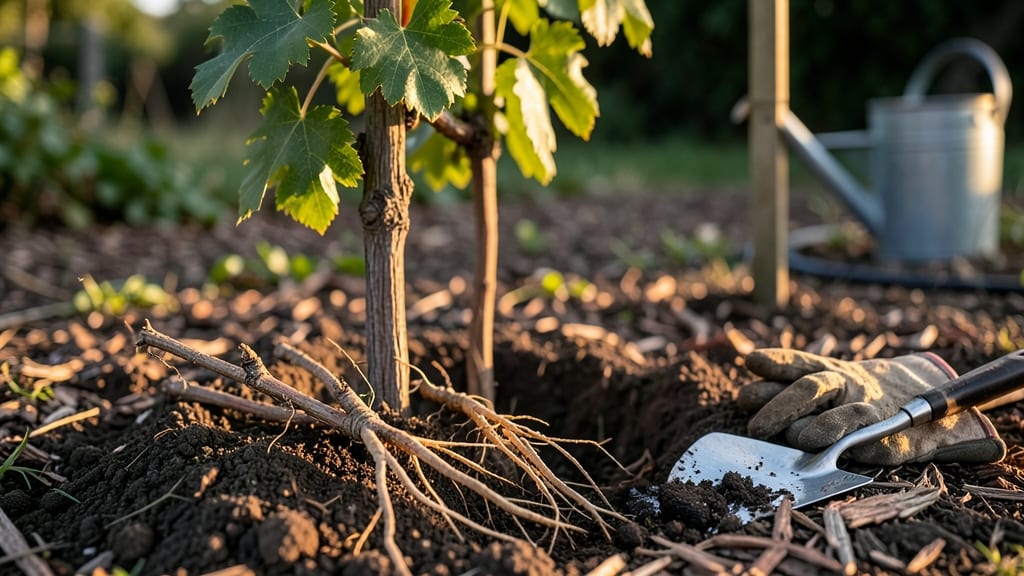
Timing your 🍇 grapes planting in Arizona isn't just about picking a month—it’s about outsmarting the desert’s brutal heat and unpredictable frost dates. Plant too early, and your vines might fry before they even take root.
Too late, and you risk weak growth when spring hits. The perfect window in AZ’s 9b zone is narrow, but nailing it means stronger roots, bigger harvests, and vines that thrive despite the challenges.
Most Arizona gardeners swear by planting dormant bare-root vines between November and January, when soil temperatures are cool and the risk of frost has passed. This winter timing gives your grapes a head start before the scorching summers arrive.
But here’s the catch: urban areas like Phoenix and Tucson have different microclimates than rural spots, so your exact planting date might shift by weeks.
Whether you’re growing grapes in containers or in-ground, preparation is key. The right soil mix, shade strategies, and heat-tolerant varieties can make all the difference. I’ll break down the exact steps to set your vines up for success—so you’re not left scrambling when the first 100°F day hits.
Ready to turn your grape dreams into a reality? Let’s dive into the heat-zone safe start dates and pro tips that’ll keep your vines happy from planting to harvest. Your future harvest is closer than you think!
AZ heat zone planting calendar: best months for grapes by region
Arizona’s three distinct desert zones—Low, Intermediate, and High Desert—each demand unique planting windows for grapes. The Low Desert (Phoenix/Tucson) has the longest growing season, while High Desert (Flagstaff) faces cooler nights and earlier frosts. Understanding these zones ensures your vines establish roots before spring heat stress kicks in.
For all AZ regions, dormant bare-root vines are the best choice, planted when soil temps drop below 60°F (15°C). This timing lets roots acclimate before spring growth.
Below, I’ve broken down the optimal planting windows by zone, including soil prep tips and microclimate adjustments for urban vs. rural areas.
🌱 Critical Note: Avoid planting in summer or early fall—AZ’s heat will shock young vines, leading to root rot or wilting. Even container-grown grapes need this cool-season start.
In the Low Desert, where temps soar to 110°F+ by May, I recommend planting Flame Seedless or Crimson Seedless—these varieties handle heat better than others. For urban gardeners, container planting with drip irrigation gives you control over moisture levels during AZ’s brutal summers.
If you’re in the Intermediate Desert, aim for late October to December. Here, cooler nights help vines establish roots faster before spring heat arrives. Mulching with straw (4–6 inches) is non-negotiable—it retains 30% more moisture than bare soil.
For High Desert growers, the window opens earlier (September–November) due to cooler temps and earlier frosts. Varieties like Concord thrive here because they’re hardier in fluctuating temps. If frost threatens (after December 15), cover young vines with frost cloth.
Pro tip: Test soil temps with a soil thermometer before planting. Grapes won’t root well if soil stays above 65°F (18°C)—even in winter. Wait for consistency at the 50–60°F range for 3–5 days before digging.
Finally, container planting extends your options. In Phoenix or Tucson, you can plant 2–3 months later (Jan–Feb) if using large pots (15+ gallons) with heat-resistant fabric wrapped around the base to insulate roots.
Timing isn’t just about months—it’s about microclimates. A shady urban backyard might need a 2-week delay compared to a rural field. Always scout your site for afternoon shade and wind exposure before finalizing your planting date. 🌿
How to prepare grapes for Arizona’s brutal summer: pre-planting survival tips
Arizona’s 110°F+ summers can turn grape vines into crispy snacks if you don’t prepare them right. The key? Hardening off your plants, selecting heat-tolerant varieties, and modifying your soil to retain moisture like a desert sponge.
Skipping these steps means your vines will struggle—or worse, die—before they even produce fruit.
First, choose grape varieties bred for heat. Flame Seedless, Crimson Seedless, and Thompson Seedless thrive in AZ’s climate. These varieties handle intense sunlight and low water stress better than delicate European types. For containers, opt for dwarf varieties like ‘Black Monukka’—they’re easier to manage in pots but still heat-resistant.
Before planting, amend your soil with organic matter (compost or well-rotted manure) to improve water retention. Arizona’s sandy soils drain too fast, so mix in 2-3 inches of compost and a thick layer of mulch (straw or wood chips) to lock in moisture.
This mimics the natural desert environment where grapes originally thrived.
If you’re planting in containers, use large pots (15+ gallons) with drainage holes and fill them with a 50/50 mix of potting soil and perlite. Containers dry out 3x faster than in-ground plantings, so check moisture daily during the first month.
Elevate pots on caissons or bricks to improve airflow and prevent root rot.
Finally, train your vines early to use trellises or arbors for support. This isn’t just for aesthetics—it improves airflow, reducing the risk of fungal diseases like powdery mildew, which thrives in AZ’s humid monsoon season.
Prune suckers and leaves that shade the fruit cluster to maximize sunlight exposure and sugar development.
With these prep steps, your grape vines will survive—and thrive—in Arizona’s extreme heat. Just remember: patience is key. It takes 2-3 years for vines to mature enough for a full harvest, but the effort pays off with juicy, homegrown grapes that beat the store-bought ones every time. 🍇