
Plants
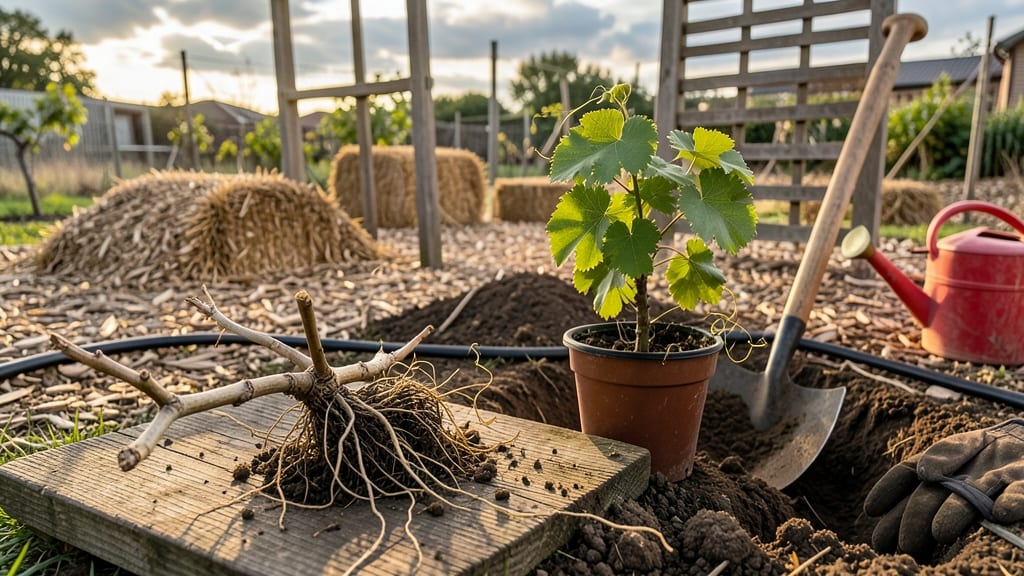
Timing your 🍇 grapes planting in Arizona isn't just about following a calendar—it's about outsmarting the desert's brutal heat and unpredictable frost. Plant too early, and your vines may bake before they take root; too late, and winter chills could stunt their growth.
The sweet spot? Late fall through early spring, when cooler temps give young roots the best chance to establish before summer's relentless sun arrives.
You might think Arizona's 9b climate means grapes can handle anything, but even hardy varieties need the right window. University of Arizona experts recommend planting dormant bare-root vines between November and February, avoiding the stress of summer heat or sudden monsoon downpours.
This timing ensures your vines develop strong foundations before facing the state's infamous 110°F+ temperatures.
What sets Arizona grape growing apart is the need to balance heat tolerance with frost protection. While Phoenix growers can push planting slightly later, Flagstaff's higher elevations demand earlier starts to beat potential late-winter freezes.
The key? Choosing varieties like 'Thomcord' or 'Black Spanish' that thrive in extreme conditions, then giving them the right start with proper soil prep and irrigation planning.
Ready to turn your Arizona backyard into a grape-growing success? I'll walk you through the exact planting windows, variety selection, and care strategies that make the difference between thriving vines and withered failures. Let's get those roots in the ground the right way.
Arizona’s grape planting calendar by heat zone (best months for success)
Arizona’s diverse climate—from the Low Desert’s relentless heat to the High Desert’s cooler nights—demands precise timing for grape planting. Miss the window, and your vines face heat stress or frost damage.
The key? Planting dormant bare-root vines when temperatures stabilize, typically between November and February, but the exact timing depends on your heat zone.
Low Desert areas like Phoenix and Tucson (USDA Zones 10-11) have no frost risk, so focus on avoiding summer’s 110°F+ temperatures.
Mid-Arizona (Zones 9-10), including Prescott and Sedona, faces light frost threats in winter, while the High Desert (Zones 7-8), like Flagstaff, requires earlier planting to beat spring warmth. Let’s break it down by zone to ensure your vines thrive.
📌 Critical Tip: Always check your local last frost date (e.g., December 15 in Phoenix, March 15 in Flagstaff) and plant 4-6 weeks before to give roots time to establish before summer heat arrives.
| Heat Zone | Best Planting Months | Key Temperature Thresholds | Seasonal Risks | Arizona Locations |
|---|---|---|---|---|
| Low Desert (Zones 10-11) | November–February | Avoid >90°F; ideal soil temps: 60–75°F | Monsoon downpours, summer heat stress | Phoenix, Tucson, Yuma |
| Mid-Arizona (Zones 9-10) | October–March | Avoid frost (<32°F); ideal soil temps: 55–70°F | Light frost, sudden temperature swings | Prescott, Sedona, Mesa |
| High Desert (Zones 7-8) | September–November | Avoid >80°F; ideal soil temps: 50–65°F | Late frost, early heat waves | Flagstaff, Payson, Show Low |
🌱 Pro Tip: Use shade cloth (30–50%) for young vines in summer to reduce heat stress.
For Low Desert growers, the November–February window is non-negotiable. Planting in December or January gives vines a head start before April’s 100°F+ temperatures. Use drip irrigation to keep roots cool and mulch heavily to retain moisture. Thomcord and Black Spanish varieties excel here due to their heat tolerance.
In Mid-Arizona, extend your window to October–March to account for frost risks. The first two weeks of November are ideal—cool enough for root growth but warm enough to avoid frost. Antequera and Ruby Seedless thrive in these conditions.
If planting in March, monitor forecasts for late frosts (common until mid-March in Prescott).
High Desert growers should plant September–November to beat spring’s rapid warming. September is the safest month—soil stays cool, and vines establish roots before April’s heat. Muscadine grapes (like Scuppernong) are excellent choices here, as they tolerate cooler nights and shorter growing seasons.
Avoid planting after October 15, as winter dormancy begins.
🌡️ Temperature Check: Soil temperatures below 50°F slow root growth, while above 85°F causes stress. Use a soil thermometer to confirm ideal conditions (aim for 60–75°F for Low Desert, 55–70°F for Mid-Arizona, and 50–65°F for High Desert).
Monsoon season (July–September) brings unpredictable rain, which can drown young roots or wash away mulch. If you must plant during this time (e.g., September in High Desert), choose a well-draining site and use raised beds to prevent waterlogging. Drainage is critical
How to choose the right grape varieties for Arizona’s climate
Arizona’s extreme heat and low humidity demand grape varieties that can handle 110°F+ temperatures while still producing sweet, flavorful fruit. Not all grapes thrive here—some wilt under the sun, while others rot from sudden monsoons.
The key is selecting heat-tolerant, drought-resistant varieties that match your local microclimate, whether you're in Phoenix’s Zone 10b or Flagstaff’s cooler Zone 7a.
For table grapes, look for varieties like ‘Thomcord’—a cross between Thompson Seedless and Concord that handles Arizona’s heat exceptionally well. This variety ripens early, avoiding the worst summer heat, and produces large, juicy berries perfect for fresh eating.
Another top pick is ‘Black Spanish,’ a classic that thrives in desert climates and resists fungal diseases common in Arizona’s humidity spikes during monsoons.
If you're growing grapes for wine or juice, consider ‘Antequera,’ a Spanish variety that excels in Arizona’s heat and produces rich, flavorful fruit with high sugar content.
For muscadines, which are native to the southeastern U.S. but adaptable to Arizona’s climate, ‘Scuppernong’ is a fantastic choice—its thick skins protect against sunburn, and its tart-sweet flavor thrives in desert conditions.
Timing your planting window also depends on the variety. Thomcord and Black Spanish should be planted in November or December to establish roots before summer, while muscadines like Scuppernong can handle slightly later planting in January or early February due to their thicker skins and deeper root systems.
Always check the last frost date for your specific Arizona zone to avoid frost damage to tender new growth.
Pro tip: Pair your grape variety with the right trellis system. Arizona’s intense sun means vines need support to avoid shading themselves. A south-facing trellis maximizes sunlight exposure while keeping fruit off the scorching ground.
For varieties like ‘Flame Seedless,’ which ripens later in the season, consider a shade cloth during the hottest months to protect developing fruit from sunburn.
Remember, the best grape for your Arizona garden isn’t just about heat tolerance—it’s about matching the variety to your watering capacity, soil type, and local microclimate. Test your soil’s drainage before planting, as Arizona’s clay-heavy soils can suffocate roots if not amended with compost or sand.
🌱