
Plants
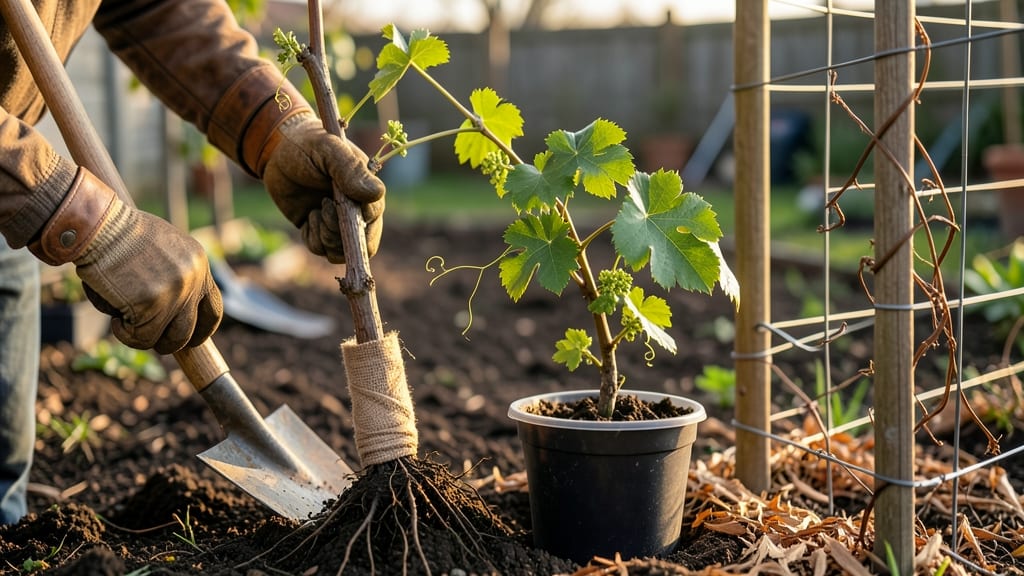
Timing your grape vine planting in California could make or break your harvest—especially with the state’s wild swings from coastal fog to scorching inland valleys. One wrong move, and you’re staring at stunted vines or frost-damaged buds instead of juicy clusters of 🍇 come summer.
I’ve seen gardeners in Zone 9 rush planting too early, only to watch their vines wilt in the heat, while others in cooler Zone 7 wait too long and risk weak root systems before summer’s peak.
The key? Aligning your schedule with soil warmth, local frost dates, and your grape variety’s dormancy cycle.
What if you could pinpoint the perfect 4-week window for your exact microclimate—whether you’re in Napa’s chilly mornings or the San Joaquin Valley’s relentless sun? I’ll break down the science-backed months that guarantee strong root growth, plus how to adjust for containers, soil types, and even last-minute weather surprises.
Let’s cut through the guesswork so you can plant with confidence—and enjoy that first glass of homegrown wine (or jam) sooner than you think.
California’s best grape vine planting months by microclimate Zone
California’s diverse microclimates create wildly different planting windows for grape vines. In Northern California, where coastal fog and mountain frost dominate, your best bet is late winter to early spring (February–March). This aligns with soil warming to 60°F+—critical for root establishment before summer heat arrives.
Meanwhile, Central California’s Central Valley—home to 80% of U.S. wine grapes—demands earlier planting (January–February) to avoid spring frost risks. The San Joaquin Valley’s intense heat means vines need 6–8 weeks of root growth before summer’s relentless sun.
Southern California gardeners enjoy the longest window (February–April), thanks to milder winters and cooler coastal breezes. But inland areas like Riverside or San Bernardino still face 100°F+ summers, so planting before April 15 ensures roots can outpace drought stress.
🌱
For everbearing varieties (like Thompson Seedless), spring planting (March–April) works best—these grapes thrive with warm-season growth and produce two harvests per year. But deciduous types (e.g., Cabernet Sauvignon) need dormant-season roots, so winter planting (Jan–Feb) is ideal.
Always check local frost dates via the USDA Plant Hardiness Zone Map—California’s Zone 7–11 range means a 30-day difference between Redding and San Diego. Use succession planting if you’re in Zone 9+: start with early varieties in February, then late varieties in March.
Pro tip: Soil temperature matters more than air temp. Use a soil thermometer—grape roots need consistent warmth to avoid root rot in soggy winter soil. Aim for 60°F+ at 4 inches deep before planting.
🌿
If you’re in high-elevation areas (e.g., Sierra foothills), delay until late March to avoid late-spring frosts. These zones often see 32°F nights into April. For coastal regions (e.g., Santa Barbara), February planting works because Pacific breezes moderate temps.
Container growers have flexibility: move pots to protected spots if frost threatens. But in-ground vines need permanent shelter—choose south-facing slopes to maximize sunlight and minimize frost pockets.
🪴
California’s best grape vine planting months by microclimate Zone
California’s diverse microclimates mean your grape vine planting window could shift by 2-3 months depending on whether you’re in coastal Santa Barbara or inland Fresno. The golden rule? Plant when soil temperatures hit 60°F (15°C)—this triggers root growth without frost risk.
Northern California’s cooler coastal zones (USDA 9-10) often wait until late March to April, while Central Valley’s hotter inland areas (USDA 8-9) can start as early as February.
Southern California’s desert-adjacent regions (like Riverside) sometimes plant in January, but coastal fog belts (like Santa Cruz) may delay until mid-April. Everbearing varieties like Thompson Seedless need warmer soil (65°F+), so they often get a late February to March start in Central Coast areas.
🌱
For container-grown vines, you can plant 2-3 weeks earlier since pots warm faster. Just ensure your 5-gallon minimum container has drainage holes—root rot from winter waterlogging is a common mistake in Southern California’s occasional downpours.
Pro tip: Use a soil thermometer to confirm 60°F+ soil temps before planting—this beats guessing based on air temperature alone.
If you miss the ideal window, fall planting (September-October) works for dormant bare-root vines, but roots need 6-8 weeks to establish before winter dormancy. Central Valley growers often use this backup, while coastal areas avoid fall planting due to wetter soils and fungal risks.
🌿
Check your local USDA Plant Hardiness Zone map (available at planthardiness.ars.usda.gov) and adjust by 1-2 zones inland—California’s elevation changes can shift frost dates by weeks. For example, Napa Valley’s cooler hillsides (Zone 9) may need 2 weeks later than warmer valley floors (Zone 8).