
Plants
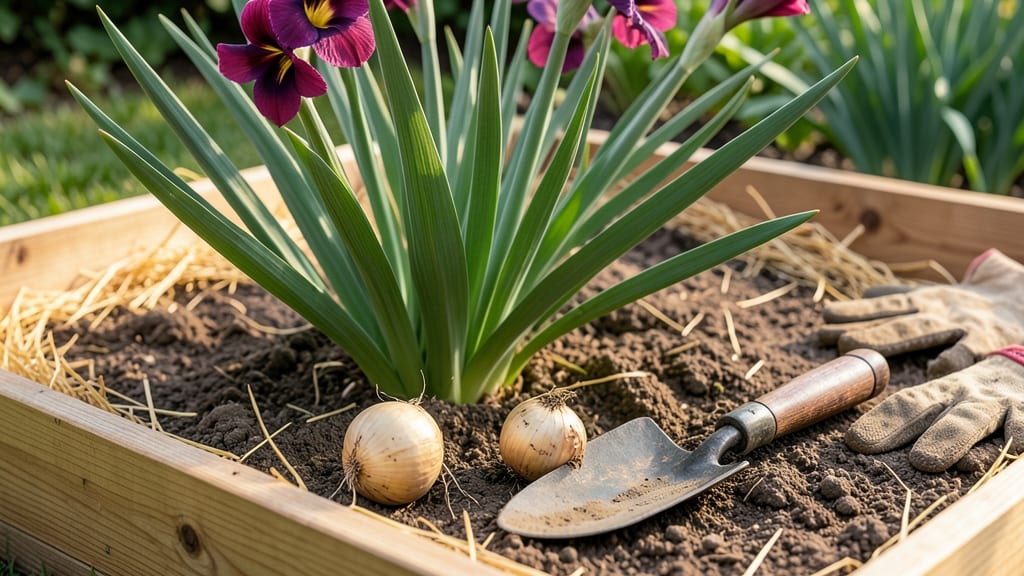
Timing your Gladiolus planting in Maine isn’t just about the calendar—it’s about waiting for the soil to warm up to 60°F after the last frost. Skip this step, and you’ll risk blackened corms or stunted blooms, no matter how eager you are to see those 🌸 spikes emerge.
Most gardeners in USDA zones 5b-6a wait until mid-May to early June, but that window shifts depending on your county. Coastal areas like York might be ready a week earlier than inland spots like Penobscot, where colder nights linger.
The key? Monitor soil temperature—not just air temperature—before sticking those corms in the ground.
Here’s the game-changer: Planting too early can fry your corms, while waiting too long cuts your blooming season short. I’ll break down the exact frost dates, soil warmth tricks, and even how to stretch your growing season with cold frames—so you can enjoy late-summer 🌸 displays without the guesswork.
Whether you’re a first-time grower or a veteran gardener adjusting to Maine’s quirks, these insights will help you time your planting like a pro. Let’s dive into the details so you can avoid common pitfalls and set your Gladiolus up for success.
Maine’s ideal gladiolus planting window: soil temperature & frost dates by county
Timing your gladiolus planting in Maine hinges on two critical factors: soil temperature and last frost dates. Unlike warmer climates, Maine’s USDA zones 5b-6a demand patience—gladiolus corms need 60°F soil for 6+ weeks to thrive.
Planting too early risks blackened corms from frost, while waiting too long may stunt blooms before fall frost.
Maine’s frost dates vary wildly by county. Southern regions like York and Cumberland often see last frosts by mid-May, while northern Penobscot and Aroostook counties can linger until late May or early June. Always check your local USDA frost calendar—this year’s window might shift by 2+ weeks!
Pro Tip: Use a soil thermometer to confirm warmth. Gladiolus corms planted in 50°F soil rot; wait until consistent 60°F+ readings for 7+ days. This typically aligns with late May to early June across most of Maine.
🌱 Maine Gladiolus Planting Guide by County
| County | Last Frost Date (Avg.) | Planting Window | Soil Warmth Goal | Key Tip |
|---|---|---|---|---|
| York | May 10-15 | Late May | 60°F+ (consistent) | Use black plastic mulch to warm soil faster |
| Cumberland | May 12-18 | Late May | 60°F+ (5-7 days) | Test soil depth (4" down) for accuracy |
| Androscoggin | May 15-20 | Early June | 60°F+ (7+ days) | Choose early-blooming varieties for shorter season |
| Penobscot | May 20-25 | Early June | 60°F+ (10+ days) | Extend season with cold frames (see next section!) |
| Aroostook | May 25-June 1 | Mid-June | 60°F+ (14+ days) | Prioritize dwarf varieties (1-2 ft tall) |
*Sources: USDA Plant Hardiness Zone Map, Maine State Climate Office (2023 data)
For coastal Maine (e.g., Lincoln or Knox counties), ocean breezes can delay soil warming by 1-2 weeks. If your garden sits near water, plant 2 weeks later than inland areas or use row covers to protect young shoots.
Northern Maine gardeners should focus on early-blooming varieties like 'White Friendship' or 'Prelude', which mature in 90-100 days—just enough to bloom before fall frost. Standard varieties need 120+ days, pushing their limit in USDA Zone 5b.
Always plant gladiolus corms 4-6 inches deep and 4-6 inches apart in well-draining soil. Maine’s rocky or clay-heavy soil? Amend with compost or sand to prevent waterlogging—a common killer of gladiolus roots in our state.
Watch for late May frost warnings from the National Weather Service. If frost is forecasted after planting, cover corms with straw mulch (4+ inches thick) or a frost blanket. This buys you 2-3 extra weeks of growing time in critical northern counties.
Remember: Gladiolus are summer bloomers. Planting in late May to early June ensures they’ll flower from August through September, just before Maine’s first hard frost. With the right timing, you’ll enjoy bold, dramatic blooms that outshine most annuals!
🌸
Maine’s ideal gladiolus planting window: soil temperature & frost dates by county
Timing your gladiolus planting in Maine depends on two critical factors: soil temperature and last frost dates. Since gladiolus corms need consistent warmth (60°F+/15°C for 6+ weeks), planting too early risks blackened corms from frost, while waiting too long may delay blooms.
Most of Maine falls in USDA zones 5b-6a, but frost dates vary dramatically between coastal and inland regions.
For southern Maine counties like York and Cumberland, the average last frost date arrives by mid-May, giving gardeners a window to plant gladiolus corms in late May to early June.
In contrast, northern counties like Aroostook and Penobscot often see frost lingering until early June, pushing planting back to mid-June for safety.
| County | Avg. Last Frost | Ideal Planting Window | Soil Warmth Check |
|---|---|---|---|
| York | Mid-May | Late May - Early June | 60°F+ by June 1 |
| Cumberland | Early May | Late May | 60°F+ by May 25 |
| Penobscot | Early June | Mid-June | 60°F+ by June 15 |
| Aroostook | Late May | Early July | 60°F+ by July 1 |
To verify soil readiness, use a soil thermometer—gladiolus corms won’t thrive until the ground stays above 60°F (15°C) for 6+ weeks. In cooler regions like northern Maine, consider planting in containers for easier temperature control or use black plastic mulch to warm the soil faster.
For coastal Maine, where mornings can still dip below freezing in May, aim for early June planting to avoid late-spring frosts. Inland areas like Kennebec Valley often warm up faster, allowing late May plantings—but always check the 7-day forecast before committing.
Pro tip: Plant gladiolus corms 4-6 inches deep and space them 6 inches apart to prevent overcrowding. Add a 2-inch layer of compost to improve drainage in Maine’s often clay-heavy soils, which can cause rot if waterlogged.
If you’re unsure about your local frost dates, consult the Maine State Climate Office or use USDA Plant Hardiness Zone Map tools. Remember, gladiolus blooms take 90-120 days—planting too late may mean fewer flowers before frost arrives in October.