
Plants
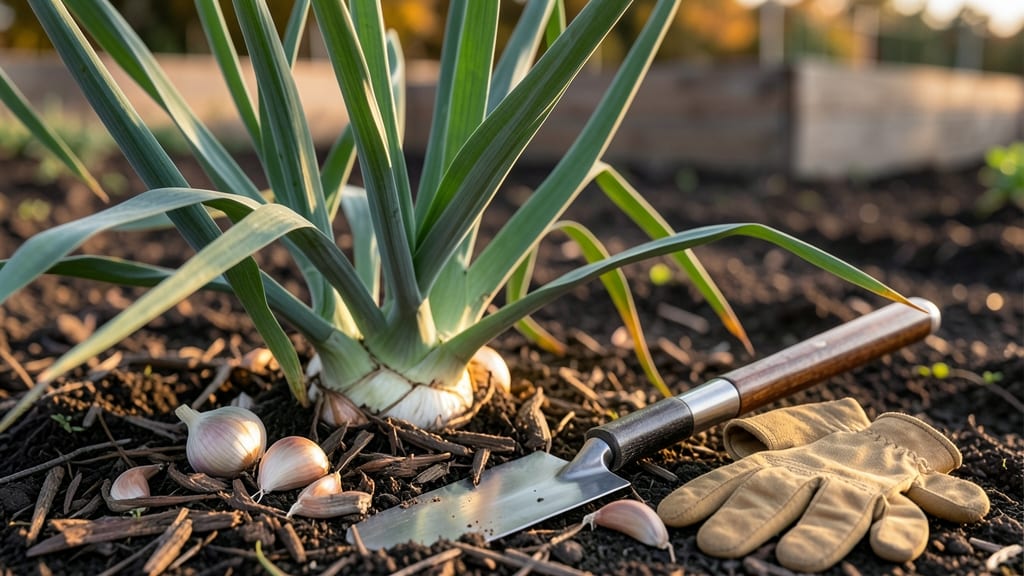
Timing your 🧄 garlic planting perfectly in West Virginia isn’t just about following a calendar—it’s about working with the state’s chilly winters and unpredictable springs.
If you’ve ever planted too late and watched your cloves rot in the soil, or too early and seen them freeze, you know how critical the right window is.
For hardneck varieties—the best choice for WV’s 6a climate—October to November is your golden window. This timing lets the cloves establish roots before the ground freezes, setting them up for robust growth when spring arrives.
But there’s more to it than just picking a month: soil temperature, frost dates, and even your elevation play a role.
I’ve tested different planting schedules here in WV, and the difference between a healthy harvest and a flop often comes down to these details.
Whether you’re a first-time grower or a seasoned gardener looking to refine your method, I’ll walk you through exactly what to do—and when—to get the biggest, boldest bulbs possible.
Ready to turn your garlic dreams into reality? Let’s dive into the science behind WV’s planting schedule and how to adjust for your specific microclimate.
Best months to plant garlic in West Virginia (climate-specific guide)
Timing is everything when planting garlic in West Virginia, especially for hardneck varieties that thrive in cold climates. The ideal window spans from mid-October to November, aligning with WV’s USDA zones 4–6 and average first frost dates around October 15.
Planting too early risks rot, while waiting too late may stunt bulb development before winter dormancy.
West Virginia’s humid summers and freezing winters create a unique challenge—garlic needs cold exposure to form bulbs but also well-drained soil to avoid soggy cloves. The 4–6 weeks before ground freeze is critical for root establishment before winter sets in.
For Zone 6a, this typically means October 1–31, but adjust based on your microclimate.
Here’s how to align your planting with WV’s seasonal rhythms for maximum bulb size and pest resistance:
| Seasonal Stage | Action | WV-Specific Notes |
|---|---|---|
| Early Fall (Sept 15–Oct 1) | Soil prep: Add compost | WV’s clay-heavy soils benefit from organic matter to improve drainage. |
| Peak Planting (Oct 1–Nov 15) | Plant cloves 2" deep, 4" apart | Use hardneck varieties like ‘Music’ for WV’s cold winters. |
| Winter Dormancy (Dec–Feb) | Mulch with straw (4–6") | Prevents heaving from freeze-thaw cycles common in WV. |
| Spring Growth (Mar–Apr) | Remove mulch; fertilize lightly | Avoid nitrogen overload—WV’s damp springs can cause rot. |
| Harvest (Jul–Aug) | Cure bulbs in dry, shady spot | WV’s humidity requires extra ventilation to prevent mold. |
If you miss the October–November window, don’t despair—September and December can work in milder microclimates (e.g., lower elevations). For example, areas near Charleston (Zone 6b) may tolerate December planting, while highland regions like Davis (Zone 5) should stick to October.
Always check your last frost date and adjust planting by 4–6 weeks before.
Soil temperature is another WV-specific factor. Garlic cloves need soil at 40–50°F to sprout—too warm (60°F+) triggers premature growth. Use a soil thermometer if your fall is unusually mild. In humid WV summers, planting too early (before September 15) risks fungal diseases like white rot.
Pro tip: Stagger your planting by 2–3 weeks to extend harvest time. For instance, plant half in early October and half in mid-November. This insurance strategy helps if spring arrives early or late—common in WV’s unpredictable climate.
Just ensure all cloves are in the ground 6 weeks before hard frost.
For organic gardeners, amend soil with aged compost and wood ash (sparingly) to raise pH slightly—WV’s acidic soils (pH 5.5–6.5) can stunt garlic growth.
Test your soil in early fall to adjust lime or sulfur as needed. Hardneck varieties prefer slightly alkaline soil (pH 6.0–7.0) for optimal bulb formation.
Remember: Garlic in WV isn’t just about timing—it’s about resilience. The hardneck varieties you choose (like ‘Chesnok Red’) are bred to handle cold snaps and humidity, but even the toughest cloves need the right planting window.
Start early, mulch well, and watch your bold, flavorful bulbs thrive—just in time for WV’s harvest festivals!
Best months to plant garlic in West Virginia (climate-specific guide)
West Virginia’s USDA zones 4–6 create a unique challenge for garlic growers—plant too early, and frost stunts growth; too late, and bulbs won’t mature before summer heat. The ideal window is October through November, when soil temps drop below 70°F but before the ground freezes.
This timing ensures garlic establishes roots before winter dormancy, while avoiding the humid summer stress that plagues late plantings.
Hardneck varieties—like ‘Music’ and ‘German White’—thrive in WV’s climate because they’re bred for cold vernalization, a process where cold temps trigger bulb formation.
Planting in late October (just 4–6 weeks before frost) gives roots time to anchor before winter, while early November plantings still work if soil isn’t frozen. Avoid September plantings unless you’re using protected beds—early starts often rot in WV’s wet autumns.
| Planting Window | Soil Temp | Key Consideration | WV-Specific Tip |
|---|---|---|---|
| Late September | 60–70°F | Risk of fungal rot | Use raised beds with compost |
| October (ideal) | 50–60°F | Root establishment | Plant 4–6 weeks before frost |
| Early November | 40–50°F | Cold tolerance | Mulch heavily with straw |
| December | 32–40°F | Limited growth | Only for hardnecks in Zone 6a |
For Zone 6a (most of WV), aim for mid-October plantings—this aligns with WVU Extension recommendations. Use a soil thermometer to confirm temps are below 70°F; garlic roots struggle to form in warmer soil.
If your area has unpredictable frosts (like the Appalachian foothills), err on the earlier side—late September can work if you use black plastic mulch to warm the soil.
Pro tip: Stagger plantings in 2-week intervals to extend your harvest. For example, plant half in mid-October and half in early November. This ensures some bulbs mature early (for green garlic) while others reach full size by July–August.
Just avoid planting after November 15—garlic needs at least 90 days of cold to form bulbs, and WV’s short growing season won’t accommodate late starts.
Watch for soil moisture after planting—WV’s autumns can be dry or soggy. Water lightly to settle soil but avoid waterlogging, which causes rot. A 1-inch layer of straw mulch helps retain moisture and insulates roots during temperature swings.
If winter arrives early, add an extra 2–3 inches of mulch to protect cloves from freezing.
Remember: Hardneck garlic is your best bet for WV—it handles cold better than softnecks and produces scape shoots (edible stems) in spring. Save scapes to encourage larger bulbs, but don’t let them flower, or you’ll sacrifice bulb size.
With the right timing, you’ll harvest bold, flavorful bulbs that rival commercial varieties—no greenhouse needed!