
Plants
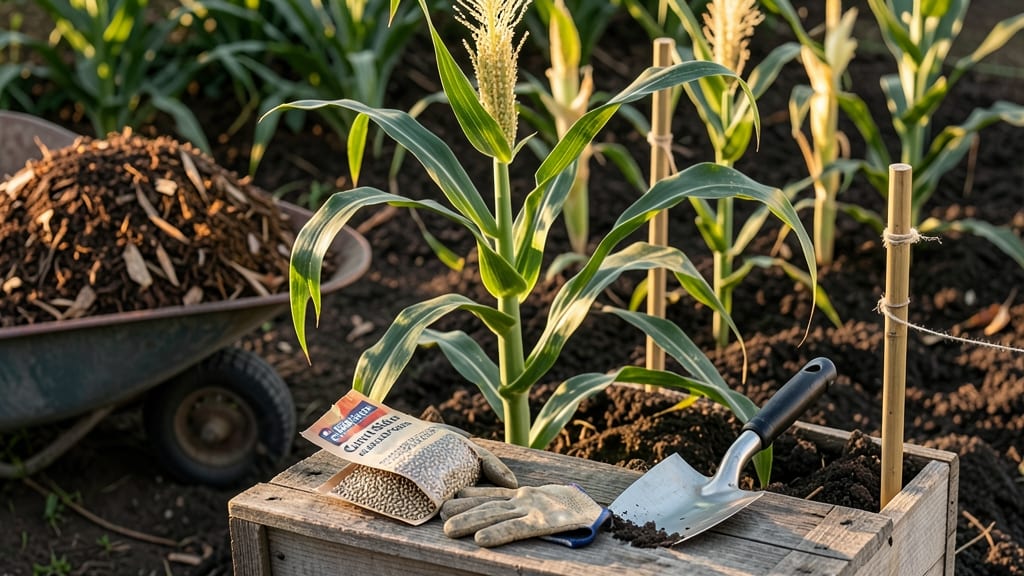
Timing your 🌽 corn planting in West Virginia isn't just about following a calendar—it's about working with the land to get the most out of your harvest.
Whether you're a seasoned gardener or just starting out, getting those seeds in the ground at the right moment can make all the difference between a thriving crop and a disappointing one.
With West Virginia's USDA Zone 6a climate, you've got a narrow window—typically between mid-April and late May—to plant corn for the best results. The key is waiting until the soil warms up to at least 60°F and the last frost has passed, usually around mid-April.
Plant too early, and your corn might struggle with cold soil, while planting too late could leave you with a shorter growing season and smaller yields.
In this guide, I'll walk you through the exact weeks before your last frost to plant corn, so you can maximize your harvest potential.
We'll also cover how to adjust for West Virginia's unique weather patterns, from late springs to early frosts, and which corn varieties thrive best in this region.
Ready to grow the best 🌽 corn possible? Let's dive into the details so you can enjoy a bountiful harvest from late July through early October.
West Virginia corn planting schedule: exact weeks before last frost for optimal growth
West Virginia’s USDA Hardiness Zones 5-7 create a unique challenge for corn growers—cool springs and unpredictable frosts demand precise timing. To maximize your 60-120 day varieties, aim to plant 4-6 weeks before your average last frost date, which typically falls around April 15 for most regions.
This window ensures seedlings emerge when soil temperatures consistently reach 60°F (15°C), the minimum for optimal germination.
Northern West Virginia (Zones 5-6) has a shorter growing season, so focus on early-maturing varieties planted by mid-April. Southern regions (Zone 7) can push planting until late May, giving you more flexibility for heat-tolerant varieties.
Always verify your local last frost date using the National Oceanic and Atmospheric Administration (NOAA) or your county extension office for precision.
Here’s the golden rule: Never plant corn until 2 weeks after the last frost—cold snaps will kill tender seedlings. Use a soil thermometer to confirm 60°F+ readings at a 2-inch depth before sowing.
In high-altitude areas like the Allegheny Mountains, wait until May 1 to avoid frost damage, even if your average last frost is earlier.
| Region | USDA Zone | Planting Window | Soil Temp Requirement | Last Frost Date |
|---|---|---|---|---|
| Northern WV (e.g., Morgantown) | 5-6 | Mid-April to early May | 60°F+ (15°C+) | April 15 |
| Central WV (e.g., Charleston) | 6a | Late April to mid-May | 60°F+ (15°C+) | April 20 |
| Southern WV (e.g., Huntington) | 7a | Late April to late May | 60°F+ (15°C+) | April 25 |
| High Altitude (e.g., Davis) | 5-6 | May 1-15 | 60°F+ (15°C+) | May 1 |
For maximum yields, plant corn in blocks (not rows) to ensure cross-pollination. Space seeds 1 inch deep and 4-6 inches apart, with rows 30-36 inches apart to allow airflow and reduce disease risk.
In West Virginia’s humid climate, early morning planting (before 9 AM) helps prevent fungal issues like corn smut or gray leaf spot.
If you’re using transplants (not recommended for corn), harden them off for 7-10 days before transplanting after the last frost. Avoid direct seeding in cold, wet soils, as this can lead to seed rot.
Instead, use black plastic mulch to warm the soil 2-3 weeks earlier in cooler regions like the Northern Panhandle.
Pro tip: Plant a small test patch 2 weeks before your ideal window to gauge soil conditions. If seedlings emerge too slowly (taking >14 days), wait another week—cold soil delays germination.
In Zone 7 areas, you can even try a second planting in early June for a late-summer harvest, using fast-maturing varieties like 'Early Sunglow' (60 days to maturity).
Monitor your local 7-day forecast for unseasonably warm spells in late April—these can trigger early planting in Zone 6 areas.
However, avoid planting more than 6 weeks before the last frost, as seedlings may bolt (go to seed prematurely) or struggle to reach maturity before first frost in October.
For container growing in West Virginia, use 5-gallon pots and plant 1-2 weeks after your outdoor planting date. Containers warm up faster, so adjust your schedule <
How to adjust corn planting dates for West Virginia’s unique weather patterns
West Virginia’s mountainous terrain and unpredictable spring weather can throw off even the most careful gardeners. One year, the last frost might pass by April 15, while another year, late frosts linger until May 10.
These shifts mean your corn planting window could shift by weeks—leaving you scrambling if you’re not prepared. The key is flexibility and knowing how to adjust your timeline based on real-time conditions.
Start by monitoring soil temperatures—corn won’t germinate well below 60°F (15°C). Use a soil thermometer to track warmth, especially in high-elevation areas like the Appalachian foothills, where cold air pools longer.
If your soil stays cool past your ideal planting date, consider soil warming tricks like black plastic mulch or a cold frame to jumpstart germination.
Here’s how to handle West Virginia’s weather quirks without sacrificing your harvest:
Late Spring? Don’t Panic—Use These Backup Strategies
- Plant fast-maturing varieties (60-70 days to harvest) like 'Early Sunglow' if frost warnings linger.
- Use row covers to protect young seedlings from unexpected late frosts (remove when plants reach 12 inches).
- Try a second planting in early June for a late-summer harvest if your first batch faces frost.
- Avoid planting too early—cold, wet soil can rot seeds before they sprout.
For northern West Virginia (Zones 5-6), where frosts are more common, aim to plant 4-6 weeks before your average last frost date. In southern regions (Zone 7), you’ve got more wiggle room—plant as late as mid-May for a fall harvest.
But watch for humidity spikes in July, which can invite fungal diseases like corn smut or leaf blight.
If you’re in a valley or low-lying area, be extra cautious—cold air sinks, and frosts can hit 10-14 days later than mountain regions. Check local Cooperative Extension Service reports for hyper-local frost data.
Pro tip: Plant sweet corn varieties like 'Ambrosia' or 'Golden Bantam'—they’re more disease-resistant and can tolerate slight delays better than some hybrids.
Finally, keep an eye on the 7-day forecast in the week before planting. If a cold snap is predicted, delay by 7-10 days. Corn is not frost-tolerant, and even young seedlings can be killed by temps below 50°F (10°C).
When in doubt, wait for stable warmth—your ears will thank you at harvest time.
With these adjustments, you’ll turn West Virginia’s unpredictable weather into an advantage, ensuring your corn has the long, warm season it needs to reach peak sweetness. Happy planting!