
Plants
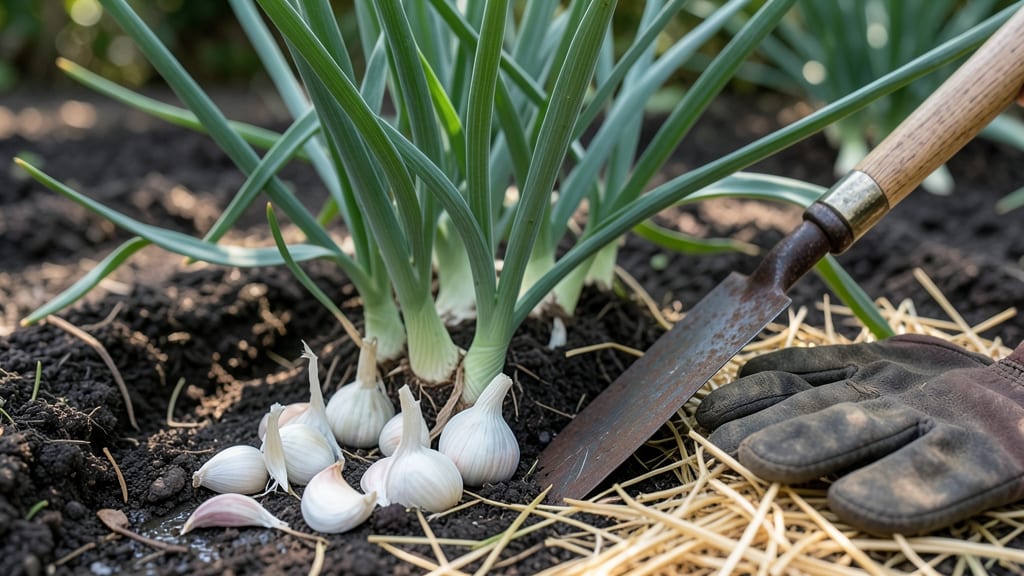
Timing your 🧄 garlic planting in Vermont isn’t just about the calendar—it’s about outsmarting the 4b-6a zone’s early frosts and short growing season. Plant too early, and your cloves rot; too late, and they won’t establish roots before winter sets in.
The 4-6 week window before the ground freezes (late September to mid-October) is your golden opportunity for hardneck and softneck varieties to thrive.
Why does this matter? Because Vermont’s climate demands precision—unlike milder regions, your garlic needs time to root before winter dormancy kicks in. I’ve grown garlic here for years, and the difference between a bountiful harvest and a failed crop often comes down to those few weeks.
Let’s break down exactly when to plant for your specific zone and how to set your garlic up for success.
You might assume spring planting works, but Vermont’s short season makes fall the only viable option. The key is preparing your soil in advance—amending it with compost and spacing cloves properly to prevent disease.
Once planted, a thick layer of mulch acts as insulation against harsh winters, protecting your crop until spring. Ready to grow garlic like a local expert? Let’s get into the details.
From choosing the right variety to understanding frost dates, this guide covers everything you need to know. Whether you’re a beginner or a seasoned gardener, mastering the frost-free window will ensure your garlic bulbs are plump and ready for harvest by late June.
Let’s make this your most successful garlic season yet!
Vermont garlic planting calendar by hardiness Zone (3-4) with frost dates
Planting garlic in Vermont’s Zone 3-4 requires timing it perfectly—typically 4-6 weeks before the ground freezes. The ideal window falls between late September and mid-October, but exact dates shift yearly based on frost forecasts.
Understanding your last average frost date (usually mid-October) and soil temperature (aim for 40-50°F) is key to success.
Hardneck varieties like Purple Stripe and Rocambole thrive in Vermont’s climate, while softneck types such as Silverskin need slightly warmer soil. Moon phases also play a role—planting during a waxing moon is said to boost bulb development.
Let’s break down the exact planting schedule by month to maximize your harvest potential.
| Month | Zone 3 Planting Window | Zone 4 Planting Window | Soil Temp | Moon Phase Tip |
|---|---|---|---|---|
| Late August | Early planting (if soil is warm) | Early planting (if soil is warm) | 50-60°F | Waxing moon for roots |
| September | Ideal window (early-mid) | Ideal window (mid-late) | 45-55°F | Waxing moon preferred |
| October | Last chance (early) | Last chance (mid) | 40-50°F | Waning moon for storage |
| November | Risky (only if unfrozen) | Risky (only if unfrozen) | Above freezing | Avoid if soil is cold |
For Zone 3 (northern Vermont), aim for planting between September 15 and October 10. In Zone 4 (southern Vermont), you have a slightly longer window—September 20 to October 15.
Check your local USDA frost maps or use a soil thermometer to confirm readiness; garlic roots need 40-50°F soil to establish properly.
If you miss the fall window, spring planting is possible but yields are smaller. Plant in early April (as soon as soil thaws) for a summer harvest, but bulbs won’t store as long.
Hardneck varieties like German White or Chesnok Red are better suited for spring planting in Vermont’s climate.
Pro tip: Use last year’s garlic bulbs for planting—break them into individual cloves (keep the papery skin intact) and plant the pointy end up. Space them 4-6 inches apart in rows 12 inches apart for optimal airflow and bulb development.
Mulch heavily with straw or leaves after planting to insulate against winter’s freeze-thaw cycles.
Vermont’s first hard frost (around October 15) signals the end of the ideal planting window, but don’t panic if you’re late. Garlic is cold-hardy and can survive light frosts—just ensure the soil isn’t frozen. For late plantings, use extra mulch (6+ inches) to protect cloves from heaving during winter.
Plan ahead for harvest time (late June to July) by marking your garlic rows. When lower leaves yellow and bulb tops poke through the soil, it’s time to dig.
Cure the bulbs in a dry, shady place for 2-3 weeks before storing. With this precise timing, you’ll enjoy plump, flavorful garlic straight from your Vermont garden!
🌱
5 Critical factors that determine your Vermont garlic planting window
Vermont’s unpredictable climate means frost dates aren’t the only factor—soil temperature, elevation, and even last year’s harvest can shift your planting window by weeks. Let’s break down the 5 critical factors that decide when to plant garlic in Vermont for maximum success.
First, soil temperature is your most reliable guide. Garlic cloves need 40-50°F soil to sprout, but they’ll rot if planted in warm ground. Test your soil with a thermometer—if it’s above 50°F, wait until temperatures drop naturally or use shade cloth to cool the ground.
🌱 Critical Factor #1: Soil Temperature
- Ideal range: 40-50°F
- Too warm: Cloves rot before sprouting
- Too cold: Dormant until spring (poor growth)
- Vermont average: Reaches 40°F by mid-September
Second, elevation changes can create microclimates where your neighbor’s perfect planting time might fail. Higher elevations (like the Green Mountains) freeze earlier—plant 2-3 weeks sooner than valley areas. Check your local USDA Zone 3-4 map and adjust by 1 week per 1,000 ft elevation gain.
Third, microclimates near buildings, ponds, or south-facing slopes can extend your planting window. A south-facing garden bed might stay warm enough for late-October planting, while a north-facing shady spot could freeze by mid-October. Observe where frost lingers longest in your yard.
Fourth, last year’s harvest timing affects this year’s planting. If you harvested garlic in late July 2023, your cloves were likely smaller and less vigorous—plant them 2 weeks earlier in 2024. Save the largest, firmest bulbs for planting, as they produce bigger crops.
Finally, moon phases influence bulb development. Planting during a waxing moon (when the moon is growing) encourages root growth, while a waning moon promotes foliage. For Vermont, aim for a waxing gibbous moon in late September or early October for optimal bulb formation.
Pro tip: Use a garlic planting calculator (like the one from the Vermont Vegetable & Berry Growers Association) to input your frost dates and elevation. It’ll give you a personalized window—usually late September to mid-October—with built-in buffers for Vermont’s variability.