
Plants
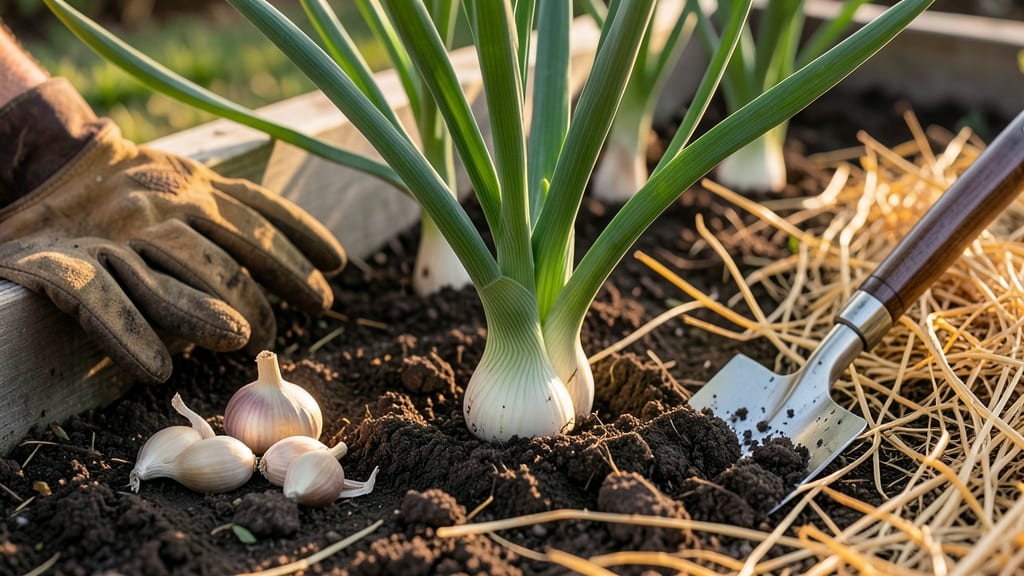
Planting garlic in Upstate New York at the wrong time can mean the difference between a bumper crop of flavorful bulbs and a total flop.
The fall window—when soil temps dip but frost hasn’t locked in—is your golden ticket to success, but timing it right requires knowing your USDA zone and local frost dates.
Here’s the deal: Mid-October to early November is prime time for planting 🧄 garlic in zones 5b-6b, but don’t wait until the ground freezes. Too early, and your cloves might rot; too late, and they won’t develop properly.
I’ll break down the exact chill-hour needs, soil prep secrets, and how to pick the right varieties for Upstate’s climate.
Whether you’re a first-timer or a seasoned gardener, getting this step right means fewer weeds, stronger plants, and bulbs that’ll make your dishes taste like they’re straight from a farmstand. Let’s dive into the key factors that’ll set you up for a harvest worthy of bragging about.
From spacing tips to mulching tricks, I’ve got the no-fail methods to protect your garlic through winter and ensure it thrives when spring arrives. Ready to turn your garden into a garlic powerhouse? Let’s get planting!
Upstate NY garlic planting timeline: chill-hours & frost-free fall deadlines
Garlic thrives in Upstate New York’s cool fall temperatures, but timing is everything. Unlike warm-season crops, garlic needs 30-60 days of cold exposure (below 40°F) to form bulbs properly.
In USDA zones 5b-6b, this means planting between mid-October and early November—any later, and your harvest may suffer.
Upstate NY’s first hard frost typically arrives by mid-October, but garlic can handle light frosts. The real deadline is 6 weeks before your average last frost date, which for most of the region falls around November 15th.
Planting after this window risks weak bulb development due to insufficient chill hours.
Here’s the key: Hardneck varieties (like Music or German White) need 40-60 chill hours, while softneck varieties (like Silverskin) tolerate 30-40 chill hours. Upstate NY’s climate delivers both, but timing ensures optimal bulb size and flavor.
Don’t assume "fall planting" means you have until December—soil temperatures matter too. Garlic roots best when soil is between 40-50°F. By December, soil often freezes, halting root growth. Aim to plant when daytime temps hover around 50°F and nights dip below 40°F.
Pro tip: Check your local Almanac frost dates (e.g., Syracuse vs. Buffalo vary slightly). For example, Buffalo’s last frost is May 15th, while Albany’s is May 5th. Adjust your planting window accordingly—earlier for southern Upstate, slightly later for northern areas.
| Factor | Upstate NY Specification | Actionable Tip |
|---|---|---|
| Chill Hours Needed | 30-60 hours below 40°F | Plant hardneck varieties first (higher chill needs). |
| Soil Temperature | 40-50°F at planting | Use a soil thermometer to verify—ideal temps accelerate root growth. |
| Last Planting Deadline | November 15th (varies by zone) | Mark your calendar 6 weeks before your last frost date. |
| Hard Frost Window | Mid-October to November | Garlic survives light frosts but needs unfrozen soil to root. |
| Best Varieties for Upstate NY | Music, German White, Silverskin | Hardnecks store better; softnecks braid longer but store less. |
Upstate NY’s microclimates add another layer of complexity. For example, Adirondack regions (zone 5b) may need to plant 2 weeks earlier than Finger Lakes (zone 6b). If you’re unsure, plant test cloves in early October and late November to compare results.
Spring planting is possible in Upstate NY, but bulbs will be smaller and less flavorful. If you miss the fall window, plant in early March when soil thaws, but expect 50% smaller yields. Most gardeners agree: fall-planted garlic is worth the effort for larger, more robust bulbs.
One final rule: Never plant garlic after December 1st in Upstate NY. By then, soil is often frozen solid, and cloves won’t root. If you’re late, wait until early spring—but don’t expect the same quality. Patience and precision now mean bigger harvests later.
Ready to dig in? Grab your soil thermometer and garlic cloves, then mark your calendar for October 15th–November 1st—this is your prime planting window for Upstate NY’s best garlic harvests. 🧄
Step-by-step garlic planting guide for Upstate NY’s short season
Upstate New York’s short growing season means garlic needs a head start. Planting in fall (October-November) ensures your cloves get the 40-60 chill-hours they need to form bulbs. Here’s how to do it right.
Start by selecting hardneck varieties like ‘Music’ or ‘German White’, which thrive in USDA zones 5-7. These varieties produce scape stalks (useful for cooking!) and store well. Avoid softneck types—they need milder winters.
Break apart a healthy garlic bulb into individual cloves, keeping the papery skin intact. Plant the flat side down, 2 inches deep, with the pointed end facing up. This ensures proper root and shoot development.
Test your soil’s pH (6.0-7.0). Upstate NY’s clay-heavy soils often need compost or aged manure to improve drainage. Work in 2-3 inches of compost before planting.
Space cloves 6 inches apart in rows 12 inches apart. This prevents fungal diseases and allows for easy harvesting. Use a stick or trowel to mark rows.
Apply 4-6 inches of straw mulch after planting. This protects cloves from freeze-thaw cycles and deer damage. Replenish mulch in late winter if snow cover is light.
Water deeply once after planting to settle soil. Avoid overwatering—garlic rots in waterlogged soil. Resume watering in spring when shoots emerge, keeping soil moist but not soggy.
Remove mulch in early spring (March-April) to allow sunlight. Apply a light nitrogen fertilizer (5-10-10) if leaves look pale. Watch for green shoots—they’ll appear by late April.
Spring emergence is your cue to remove scapes (the curly stems) from hardneck varieties. Twist them off when they form a loop—this redirects energy to bulb development. Leave softneck varieties alone; they don’t produce scapes.
By late June, your garlic will be ready to harvest. Look for brown lower leaves and papery bulbs. Cure them in a shady, dry place for 2-3 weeks before storing. With this method, you’ll grow bold, flavorful garlic that lasts all winter.