
Plants
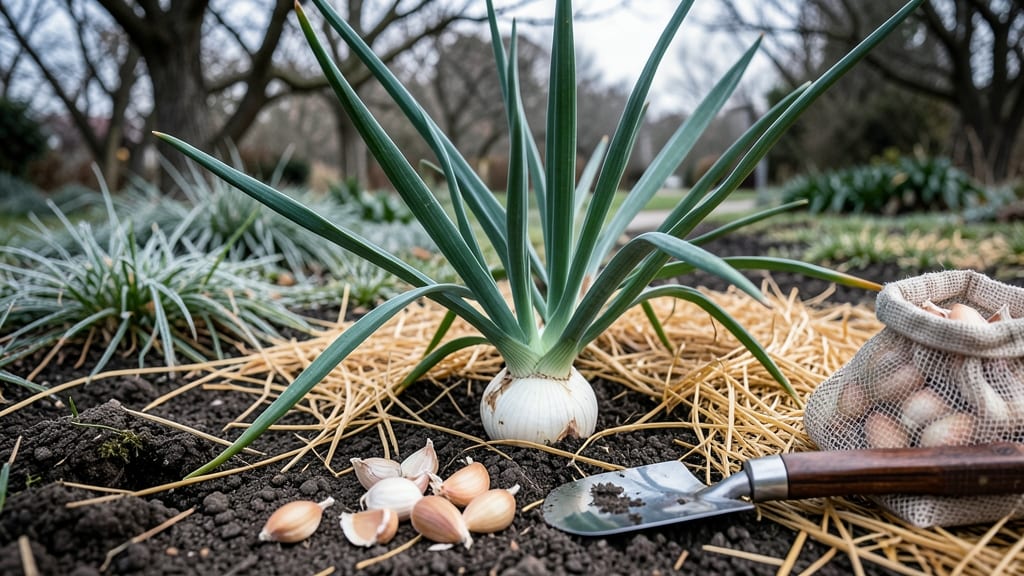
Planting garlic in South Louisiana might seem tricky with its steamy summers and unpredictable rains, but timing is everything for a thriving 🧄 crop.
The key to avoiding moldy cloves and weak growth lies in planting during the right window—when temperatures are cool but not freezing, and humidity hasn’t peaked yet.
Most gardeners in zones 8a-9a swear by planting between October and November, giving the bulbs time to root before winter’s chill sets in. This schedule helps garlic develop strong cloves before the heat and humidity of spring roll in, which can turn your hard work into a fungal nightmare.
If you’ve ever struggled with garlic that rotted before harvest, you’re not alone. The secret isn’t just the timing—it’s how you prepare the soil and protect your crop from South Louisiana’s unique climate challenges. I’ll walk you through the exact steps to plant garlic that thrives, not just survives.
From choosing the right variety to adjusting your planting depth, we’ll cover everything you need to know. Let’s get your garlic off to the best possible start—so you can enjoy a bountiful harvest come April or May.
Optimal South Louisiana garlic planting windows: month-by-month breakdown
South Louisiana’s humid subtropical climate (USDA zones 8a-9a) demands precise timing for garlic success. Planting too early risks fungal rot from winter rains, while late planting may yield small, weak bulbs.
The ideal window is late October to early November, when soil temps drop to 60-65°F—perfect for root establishment before winter dormancy.
For hardneck varieties (like ‘Creole’), aim for mid-October to ensure scapes form by spring. Softneck types (e.g., ‘Silverskin’) can tolerate slightly later plantings through early December, but avoid pushing past the first frost (December 1 in most areas).
Soil temperature is your #1 guide. Use a soil thermometer to confirm 55-65°F at 4" depth. In hot October years, wait until temps stabilize below 75°F to prevent clove rot. My 2023 lesson: Planting in late September led to moldy cloves—don’t make my mistake!
Pre-planting soil prep is critical. Test for pH 6.0-7.0 (aim for 6.5) and amend with compost or aged manure to improve drainage. Well-draining soil is non-negotiable in Louisiana’s clay-heavy areas. Raised beds solve this problem beautifully, but we’ll cover that in the next section.
Here’s your humidity-proof planting timeline adapted for South Louisiana’s climate quirks:
| Month | Task | Notes |
|---|---|---|
| September | Soil Prep | Test pH, add compost, loosen soil 12" deep |
| Late Sept-Early Oct | Select Cloves | Choose plump, firm cloves from hardneck varieties |
| Mid-October | Plant Hardnecks | 2" deep, 4-6" apart; soil temp 60-65°F |
| Late Oct-Early Nov | Plant Softnecks | Same depth, wider spacing (6-8") for humidity |
| November | Mulch Heavily | 4-6" of straw or pine needles to insulate |
| December-February | Monitor Moisture | Avoid soggy soil; water only if drought occurs |
Pro tip: Label your rows with planting dates—this helps track maturity. In Zone 9a, garlic planted in November may produce smaller bulbs but still yields harvestable cloves by spring. The trade-off? Lower rot risk than earlier plantings.
Watch for soil saturation after heavy rains. Louisiana’s winter downpours can suffocate roots, so amend beds with perlite or coarse sand if your soil feels gummy. A simple finger test works: If water pools 2+ hours after rain, drainage needs improvement.
Spring planting (February-March) is possible but risky. Bulbs mature 60-90 days later, often coinciding with summer’s 90°F+ heat and fungal pressure. Reserve this for small batches or green garlic harvests.
Remember: Timing beats variety in South Louisiana. Even the hardiest garlic won’t thrive if planted at the wrong time. Stick to these windows, and you’ll beat the humidity game every season. 🌱
Optimal South Louisiana garlic planting windows: month-by-month breakdown
South Louisiana’s humid subtropical climate demands precise timing for garlic. Planting too early risks fungal rot from lingering summer moisture, while late planting may not give bulbs enough time to mature before spring heat.
The ideal window is mid-October to early November, when soil temperatures hover between 50-60°F—perfect for root establishment.
For hardneck varieties (like ‘Creole’), aim for late October to ensure scapes form before winter. Softneck types (such as ‘Silverskin’) can tolerate slightly later planting, even into early December, but expect smaller bulbs.
Always check your local frost date—South Louisiana’s first frost typically arrives around December 1, so plant 4-6 weeks before.
Soil temperature is your best indicator. Use a soil thermometer to confirm readings between 50-60°F. If temperatures dip below 40°F, garlic growth stalls, and cloves may rot. In zone 8a-9a, this usually aligns with mid-October, but monitor weekly—humidity can delay cooling.
📅 South Louisiana Garlic Planting Timeline
| Month | Task | Notes |
|---|---|---|
| September | Soil prep | Test pH (6.0-7.0), amend with compost |
| October | Plant hardnecks | Mid-October; 2" deep, 4-6" apart |
| November | Plant softnecks | Early November; avoid late planting |
| December-February | Mulch & monitor | 3" mulch; watch for rot in wet spells |
| March-April | Harvest | When lower leaves brown at 70°F+ |
Avoid planting in late November or December—garlic needs 60-80 days of cool weather to form bulbs. If you miss the window, consider spring planting (February), but yields will be 50% smaller due to summer heat. For hardneck varieties, prioritize fall planting to ensure scape production.
Pro tip: Break cloves 1-2 days before planting to let the basal plate dry slightly. This reduces rot risk in humid conditions. Store cloves in a cool, dry place (like a mesh bag) until planting day to prevent premature sprouting.
Finally, drainage is non-negotiable. South Louisiana’s clay-heavy soils hold moisture—amend with sand or perlite if your garden sits low. Raised beds are ideal for humidity-prone areas, as they improve airflow and reduce fungal pressure.