
Plants
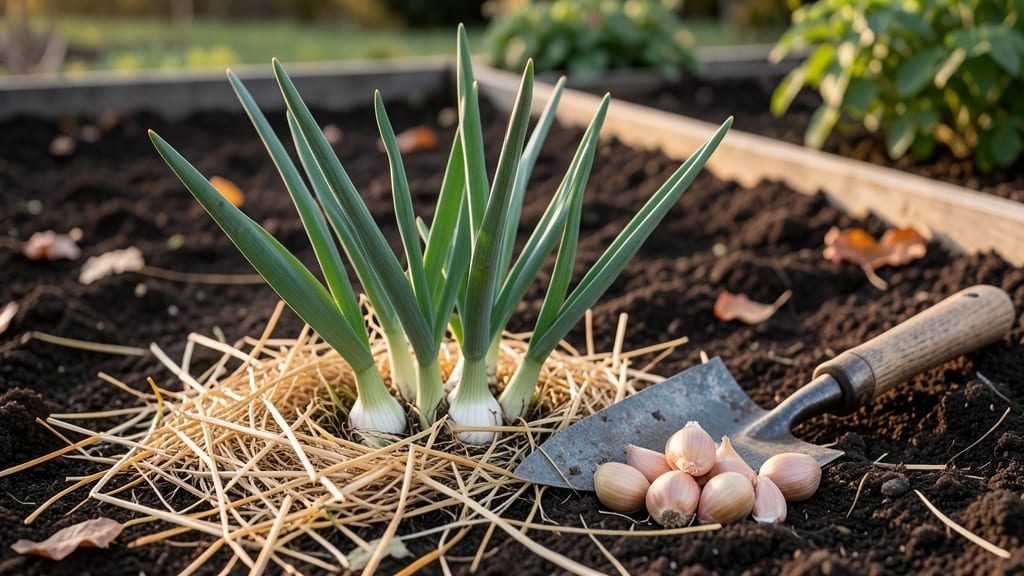
Timing your 🧄 garlic planting in South Dakota isn’t just about the calendar—it’s about outsmarting the 4a-5b winters that can turn your hardneck varieties into a flop. Plant too early, and frost nibbles your cloves before they root.
Too late, and your bulbs struggle to mature before summer’s heat. The sweet spot? A 4-6 week window before the ground freezes—typically between late September and early October.
Why does this matter? Because South Dakota’s short growing season demands precision. Skip the ideal window, and you might end up with puny bulbs or worse—no harvest at all. But get it right, and you’ll enjoy plump, flavorful garlic by next summer.
I’ll walk you through the exact dates, soil prep secrets, and variety picks that work best for your zone.
Let’s start with the most critical step: choosing the right time to plant. Hardneck garlic thrives when planted in fall, but the clock starts ticking as soon as temperatures dip.
We’ll break down how to time it perfectly, whether you’re in a colder Zone 4a or milder Zone 5b corner of the state.
Ready to grow garlic that rivals the pros? By the end, you’ll know exactly when to plant, how deep to bury those cloves, and the simple tricks to protect your crop through winter. No more guesswork—just a bountiful harvest waiting for you.
Optimal fall planting dates for hardneck garlic in South Dakota’s climate zones
South Dakota’s USDA Zones 4a-5b create a tight window for planting hardneck garlic, where timing directly impacts bulb size and overwintering success. The goal? Plant cloves 4-6 weeks before ground freezes—typically between mid-September and early October—to allow roots to establish before winter dormancy.
Miss this window, and you risk stunted growth or total failure.
For Zone 4a (western SD, e.g., Rapid City), aim for early September planting to beat the first hard frost, which often arrives by mid-October. In Zone 5a (eastern SD, e.g., Sioux Falls), you have until early October due to slightly milder microclimates.
Use your last frost date as a guide: count backward 120 days to determine your ideal start.
Soil temperature is your most critical factor. Garlic cloves need 40–50°F soil to sprout but won’t tolerate freezing. Test your soil with a soil thermometer—if temps drop below 40°F, delay planting until conditions stabilize.
In 2023, early frosts in September forced many SD gardeners to push planting to late October, resulting in smaller bulbs.
Microclimates matter: Urban areas like Brookings may stay warmer longer than rural Black Hills regions. Observe nearby orchards or vineyards—their planting schedules often align with garlic’s needs. If you’re unsure, plant a test row in late September to gauge success before committing to a full bed.
Variety matters too. Early-maturing hardnecks like 'German White' can handle slightly later plantings, while 'Music' or 'Chesnok Red' need the full window. For maximum bulb size, prioritize early September for all varieties—delaying past October 10th risks underdeveloped roots.
🌱Pro Tip: Use a planting calendar tailored to your specific county. The South Dakota State University Extension offers free frost-date maps that adjust yearly. Bookmark their gardening resources for real-time updates.
🌿 South Dakota Garlic Planting Timeline by Zone
| Zone | Ideal Planting Window | Soil Temp Threshold | First Frost Risk | Best Varieties |
|---|---|---|---|---|
| 4a (Western SD) | Mid-Sept to Sept 25 | 40–50°F | Mid-October | 'German White', 'Silverskin' |
| 4b (Central SD) | Late Sept to Oct 5 | 45–50°F | Late October | 'Music', 'Chesnok Red' |
| 5a (Eastern SD) | Early Sept to Oct 10 | 40–55°F | Early November | 'Korean Red', 'Artichoke' |
*Adjust dates 1–2 weeks earlier for high-altitude areas (e.g., Black Hills).
If you miss the fall window, don’t despair—spring planting is possible but yields smaller bulbs. Plant early March (before active growth begins) in well-drained soil, but expect harvests 30–50% smaller than fall-planted garlic.
For best results, prioritize fall planting and save spring for experimental varieties or small-scale trials.
After planting, mulch heavily (6–8 inches of straw or leaves) to insulate bulbs from temperature swings. In 2022, gardeners in Huron who mulched with straw bales saw 2x larger bulbs than those using leaves alone. Check mulch in early spring to prevent rot—garlic needs airflow to develop properly.
🌡️Final Check: Before planting, verify your soil pH (6.0–7.0) and drainage. Garlic hates soggy conditions—amend heavy clay with compost or sand if needed. Test your soil now
Key factors that determine South Dakota’s garlic planting success
Beyond nailing the fall planting window, South Dakota’s harsh winters and alkaline soils demand extra attention to soil prep and variety selection. The wrong choices can turn your garlic into a winter casualty instead of a bountiful harvest.
Let’s break down the critical factors that separate thriving garlic from failed attempts.
First, your soil pH is non-negotiable. South Dakota’s native soils often test alkaline (pH 7.5-8.5), but garlic thrives in neutral to slightly acidic soil (pH 6.0-7.0). Without adjustment, your cloves will struggle to absorb nutrients, leading to stunted bulbs.
Test your soil in early September—give yourself time to amend with sulfur or peat moss before planting.
Next, drainage is your garlic’s lifeline. Poor drainage during spring thaw or heavy October rains can drown roots, causing rot. Amend heavy clay soils with compost or coarse sand to create well-draining beds. Raised beds are ideal for waterlogged areas, especially in low-lying spots where snowmelt pools.
🌱 Garlic Growing Essentials in South Dakota
| Factor | South Dakota Specification | Why It Matters |
|---|---|---|
| Soil pH | 6.0–7.0 (amend with sulfur) | Prevents nutrient lockout in alkaline soils |
| Drainage | Well-draining (raised beds ideal) | Avoids rot from spring thaw or heavy rains |
| Variety | Hardneck (e.g., 'German White', 'Music') | Survives Zone 4 winters; produces scapes |
| Spacing | 4–6 inches apart, 4 inches deep | Prevents disease and allows bulb expansion |
| Mulching | 6+ inches of straw after planting | Insulates roots; protects from freeze-thaw cycles |
Choosing the right garlic variety is another game-changer. South Dakota’s USDA Zone 4a-5a climate favors hardneck garlic, which thrives in cold winters and produces scape shoots (a bonus harvest!). Popular choices like 'German White' or 'Music' are well-adapted, while softneck varieties often fail to mature in our short season.
Don’t overlook clove separation—this step directly impacts your harvest. Break apart garlic bulbs into individual cloves just before planting, ensuring the root end is facing down.
Plant the pointy end up, about 4 inches deep and 6 inches apart. Overcrowding leads to smaller bulbs and increased disease risk.
Finally, mulching is your secret weapon against South Dakota’s freeze-thaw cycles. After planting, apply 6+ inches of straw or leaves to insulate the soil. This protects cloves from temperature swings that can heave them out of the ground. Remove mulch in early spring once shoots emerge to prevent rot.
When you combine proper soil prep, variety selection, and protective mulching, your garlic will emerge in spring ready to bolt into growth—not struggle. These factors turn South Dakota’s challenges into opportunities for a high-yield harvest. 🌱