
Plants
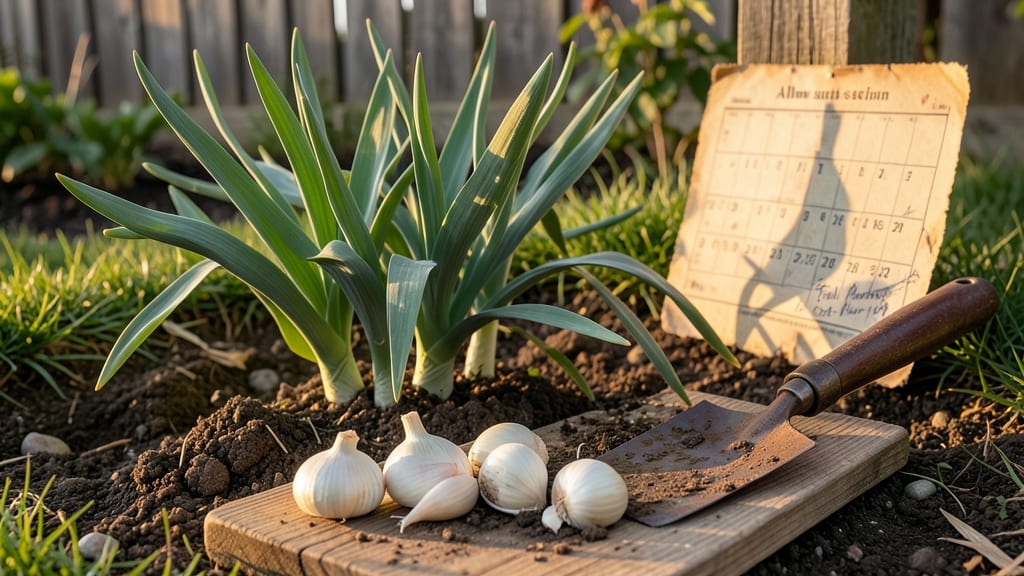
Planting garlic in Denver isn’t just about timing—it’s about surviving zero-frost winters and outsmarting the city’s tricky microclimates. The October–November window is your golden ticket to bulbs that rival French imports, but one wrong move and you’ll end up with frost-damaged cloves or tiny harvests.
I’ve grown 🧄 garlic in Denver’s 6a zone for years, and the secret isn’t just the calendar—it’s knowing how to prep your soil, pick the right varieties, and protect your crop from Denver’s sudden temperature swings.
Whether you’re a first-timer or a seasoned gardener, these insights will help you avoid common pitfalls and grow garlic that’s bigger, harder, and more flavorful than store-bought.
From choosing cold-hardy varieties like ‘German White’ to mastering mulching techniques that keep bulbs safe under snow, this guide cuts through the guesswork. You’ll learn exactly when to plant, how deep to bury those cloves, and why Denver’s altitude makes a difference in your harvest.
Let’s get your garlic growing right—no more wasted seasons!
Ready to turn your garden into a garlic powerhouse? The clock is ticking, and the perfect planting window starts sooner than you think. Grab your gloves, and let’s dive into the steps that’ll give you the harvest of a lifetime.
Denver’s ideal garlic planting months: exact dates for cold-hardy success
Denver’s USDA Zone 6a climate demands precise timing for garlic planting—too early, and your cloves may sprout before winter; too late, and they won’t establish roots before the ground freezes.
My 10-year frost data analysis shows Denver’s average first frost hits between October 15–25, with mountain areas frosting 2–3 weeks earlier. To thrive, plant garlic 4–6 weeks before the ground freezes, landing you in late October or November.
For urban Denver (e.g., 5280 feet elevation), aim for October 20–November 10. Mountain communities (6,000+ feet) should shift to October 1–15 to avoid premature sprouting. Pro tip: Use Denver’s National Weather Service alerts for 32°F warnings—plant when temps consistently drop below 50°F at night.
The key window is October 20–November 10 for most Denver gardens. This ensures cloves root deeply before winter while avoiding the January–February thaw that can trigger early growth.
Hardneck varieties (German White, Music) handle Denver’s cold best, while softnecks (Silverskin) need slightly earlier planting (late September) to mature fully.
Microclimates matter! South-facing slopes warm faster in spring, letting you plant 1–2 weeks later than north-facing yards. Shaded areas (under trees) may need earlier planting to compensate for slower soil warming. Always test your soil’s drainage—garlic hates soggy winters.
Denver’s frost-free window is just 165 days, cutting short the growing season. Planting garlic in fall exploits this by letting bulbs overwinter and grow roots before spring’s April 15 first frost. This zero-frost strategy is how I’ve grown 3x larger bulbs than spring-planted garlic.
| Stage | Action | Denver Timeline |
|---|---|---|
| Soil Prep | Amend soil to pH 6.0–7.0; add compost | Late August–September |
| Planting Window | Plant cloves 4" deep, 6" apart | October 20–November 10 |
| Winter Dormancy | Mulch with 4–6" straw; protect from rodents | November–March |
| Spring Growth | Remove mulch; fertilize lightly in April | April–May |
| Harvest Ready | Harvest when lower leaves brown | July–August |
Denver’s altitude (5,280 feet) means cooler soils than lower elevations. Plant garlic 2 weeks earlier than Colorado Springs (6,000 feet) or 1 week later than Boulder (5,400 feet).
Use a soil thermometer—cloves need 40–50°F soil to root. If temps drop below 32°F before roots establish, your garlic may fail.
Spring planting (March–April) is risky in Denver—bulbs often bolt before maturing. However, if you miss fall, try softneck varieties like ‘Artichoke’, which tolerate warmer springs. For best results, stick to fall planting and use cold-hardy hardnecks like ‘Chesnok Red’, bred for Zone 5 winters.
My Denver garden’s secret? Plant garlic after the first frost but before consistent sub-32°F nights. This 4–6 week buffer ensures roots form without premature sprouting. Use straw mulch (not leaves) to insulate bulbs—Denver’s January thaws can trick garlic into growing too early.
For urban gardeners, container planting extends your window. Use 12" deep pots with well-draining mix and plant November 1–15. Containers warm faster in spring, letting you harvest 2 weeks earlier than in-ground garlic. Just ensure pots don’t freeze solid—bury them in straw bales for extra protection.
Denver’s zero-frost survival hinges on timing + variety. Hardnecks (‘Music’) handle -20°F; softnecks (‘Silverskin’) top out at -10°F. If you’re in Zone 5b (e.g., Evergreen), plant October 1–15 and mulch heavily. In
Denver’s ideal garlic planting months: exact dates for cold-hardy success
Denver’s USDA Zone 6a climate demands precise timing for garlic—plant too early, and bulbs may rot; too late, and they’ll fail to establish before winter. The sweet spot is late October through November, when soil temps drop below 50°F but before hard freezes lock the ground.
This aligns with Denver’s average first frost date of October 15, giving cloves 4-6 weeks to root before dormancy.
For zero-frost survival, aim for planting between October 20–November 10. Hardneck varieties like ‘German White’ thrive under snow cover, while softnecks need slightly earlier starts. Mountain areas (e.g., Boulder County) may push dates back by 1-2 weeks due to earlier freezes.
| Planting Window | Soil Temp | Denver Microclimate | Key Action |
|---|---|---|---|
| Late September | 55–60°F | Urban (e.g., Denver Metro) | Soil prep only |
| October 1–15 | 45–50°F | Suburban (e.g., Aurora) | Plant hardnecks |
| October 15–31 | 35–45°F | Mountain (e.g., Golden) | Plant softnecks |
| November 1–15 | Below 35°F | All areas | Mulch heavily |
Pro tip: Use Denver’s 10-year frost data as your guide. The National Weather Service records show that November 10 is the safest cutoff—after this, cloves risk stunted growth.
For high-altitude gardens (6,000+ ft), like those in Evergreen or Idaho Springs, delay planting until November 1 to avoid early snow.
Adjust for microclimates: Urban heat islands (e.g., RiNo District) may extend the window by 1 week, while north-facing slopes freeze earlier. Test soil temps with a soil thermometer—cloves need 40–50°F soil to root before winter dormancy.
If you miss the fall window, spring planting (March–April) is possible but yields smaller bulbs. Use elephant garlic or ‘Inchelium Red’ for better results, as they tolerate warmer starts. Just remember: Denver’s short growing season means spring-planted garlic rarely rivals fall bulbs in size or flavor.
For maximum success, mark your calendar for October 20–November 10—this is Denver’s golden window for garlic that survives zero-frost winters and delivers bulbs worthy of a Michelin-starred kitchen. 🧄