Planting
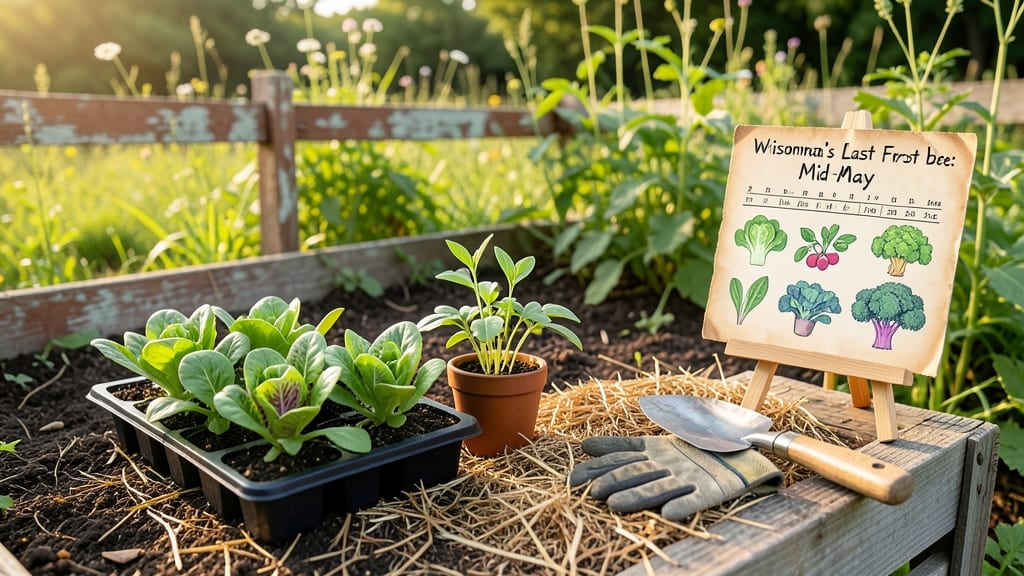
When to plant a garden in Wisconsin isn’t just about throwing seeds into the dirt—it’s about beating the frost or waiting for the perfect warm-up to avoid a wasted season. With last frosts creeping in as late as mid-May in northern zones and warm-season crops like tomatoes needing consistent 50°F soil, one wrong move could turn your garden dreams into a sad, half-frozen mess.
I’ve spent years learning the hard way: skipping the 10-day rule after frost dates or planting warm-lovers too early means wilting disappointment.
But here’s the good news—Wisconsin’s climate actually works in your favor if you know the tricks, like starting cold-hardy greens in April or using row covers to stretch the season.
Let’s break down the exact schedule so you can plant with confidence, whether you’re in Madison’s Zone 5 or Green Bay’s Zone 4.
You’ll discover which veggies thrive when the ground is still chilly (hello, peas and spinach!) and which need to wait until the soil is warm enough to avoid stunted growth.
Plus, I’ll share my go-to methods for extending the harvest—because nobody wants to say goodbye to fresh tomatoes before September.
Ready to turn your Wisconsin garden from a gamble into a guaranteed harvest? Let’s dive into the month-by-month plan that’ll keep your plants happy and your pantry full.
Wisconsin planting zones & frost dates: what you must know before planting
Wisconsin’s USDA Plant Hardiness Zones 4-6 create dramatic differences in planting windows—just 50 miles can shift your last frost date by 2 weeks. Southern areas like Milwaukee (Zone 5b) often see late April planting, while northern Green Bay (Zone 4b) may wait until mid-May.
These variations mean one-size-fits-all advice fails fast.
Mastering frost dates is your secret weapon. The 10-day rule is non-negotiable: plant warm-season crops 10 days after your average last frost date to avoid 50°F soil (the magic number for most seeds). For cold-hardy crops, soil temperature matters less than air temperature—they’ll bounce back from light frosts.
Here’s the hard truth: Wisconsin’s frost dates aren’t just about averages—they’re moving targets. A 1990s study showed spring frost dates have shifted earlier by 5-7 days in southern Wisconsin due to climate change. Use local data from the Wisconsin State Climatology Office to adjust your timeline.
Pro Tip: Bookmark the Midwestern Regional Climate Center’s frost maps. Their real-time alerts for 32°F and below can save your tomato seedlings when a late frost sneaks in.
| Zone | Average Last Frost Date (Spring) | First Frost Date (Fall) | Cold-Hardy Crops (Safe After Frost) | Warm-Season Crops (Wait Until After Frost) |
|---|---|---|---|---|
| 4b (Green Bay) | May 10 | October 5 | Peas, Spinach, Kale | Tomatoes, Peppers, Cucumbers |
| 5a (Madison) | April 25 | October 10 | Lettuce, Radishes, Broccoli | Beans, Squash, Melons |
| 6a (Milwaukee) | April 15 | October 15 | Swiss Chard, Carrots, Onions | Eggplant, Basil, Okra |
🌡️ Note: Use a soil thermometer—surface temps can be 10°F warmer than 2" deep.
Your planting window isn’t just about dates—it’s about soil conditions. Cold, compacted soil from Wisconsin’s wet springs can smother seeds. Wait until soil reaches 50°F for warm crops and 40°F for cold-hardy before planting. A simple thumb test works: press soil—if it crumbles easily, it’s ready.
Northern Wisconsin gardeners face shorter seasons but can still grow cold-hardy varieties like 'Winterbor' kale or 'Purple Viking' broccoli, which tolerate 20°F. Southern gardeners, meanwhile, can push fall planting until September 15 for crops like spinach and radishes.
Don’t ignore microclimates. A south-facing slope warms 2-3°F faster than flat ground, while low-lying areas hold frost longer. Use these to your advantage—plant warm-season crops on slopes and cold-hardy varieties in protected spots.
For emergency prep, keep frost cloth and row covers handy. A single night of 30°F can kill young tomato plants, but these tools add 4-6°F protection. Even better? Start warm-season crops indoors 6-8 weeks before your last frost date.
Remember: Wisconsin’s frost dates are guidelines, not rules. Always check local forecasts and adjust. With the right timing, you’ll turn frost risks into harvest rewards—not disappointments. 🌱
Cold-hardy vs. warm-season veggies: Wisconsin’s best planting schedule by month
Timing is everything in Wisconsin gardening, where last spring frosts can arrive as late as May 15 in northern zones or as early as April 20 in southern regions.
Knowing which crops thrive in cool soil versus needing warm soil (above 50°F) determines your harvest success. Let’s break down the month-by-month planting calendar tailored to Wisconsin’s climate.
For cold-hardy vegetables, like peas and spinach, you can start planting as early as late March to April in southern Wisconsin, while northern gardeners should wait until mid-April to early May.
These plants tolerate light frosts and even snow cover, making them ideal for early spring. Warm-season crops, such as tomatoes and peppers, demand patience—they won’t thrive until the soil warms up, typically after May 15 statewide.
In April, focus on cool-season crops like peas and radishes, which can handle Wisconsin’s unpredictable early frosts. These fast-growing plants mature quickly, giving you an early harvest before summer heat sets in.
For northern Wisconsin gardeners, wait until mid-April to avoid frost damage, while southern regions can start as early as late March.
By May, most of Wisconsin’s frost risk has passed, making it the perfect time to plant broccoli and kale for fall harvests. This month also marks the window for warm-season staples like tomatoes and peppers—just be sure to harden off seedlings if starting indoors.
Use row covers for extra protection if late frosts linger in northern areas.
June is all about succession planting for lettuce and heirloom varieties like ‘Brandywine’ tomatoes or ‘Straight Eight’ corn. Warm-season crops like beans and squash thrive in June’s consistent warmth, but keep an eye on pests like cucumber beetles. Mulch heavily to retain moisture and regulate soil temperature.
Don’t forget about late-season crops! In August, plant cool-season favorites like spinach and kale for a fall harvest before the first frost. Use black plastic mulch to extend the season by warming the soil and deterring weeds.
Wisconsin’s gardening season is short but rewarding—plan ahead, adjust for your zone, and you’ll enjoy a bountiful harvest from spring to fall. Happy planting! 🌱