
Plants
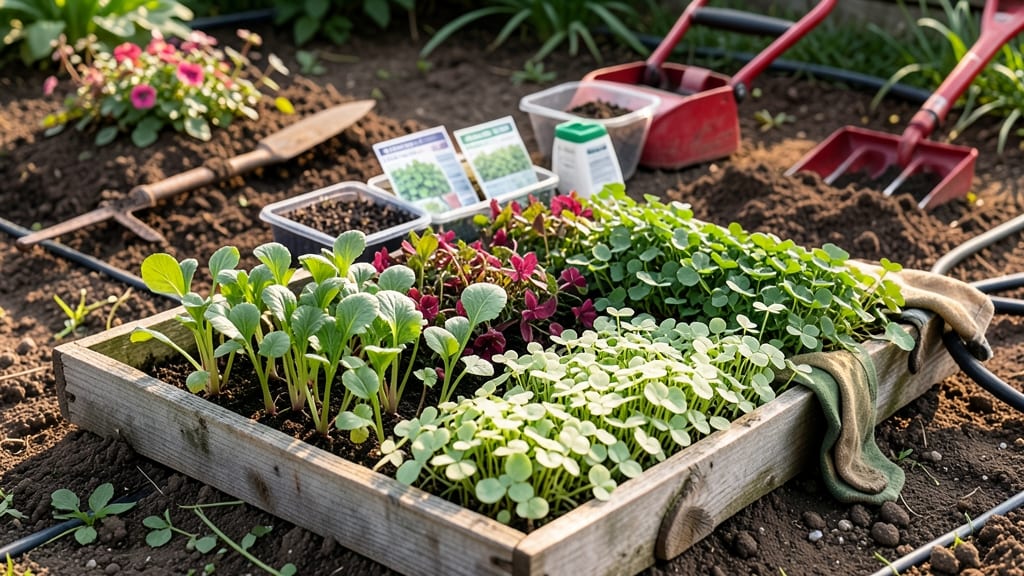
Timing your food plot planting in Texas isn't just about throwing seeds in the ground—it's about unlocking a deer magnet that attracts bucks all season long.
Whether you're in the cooler hills of North Texas or the balmy regions of South Texas, getting the timing right can mean the difference between a thriving plot and one that barely gets a sniff.
The key lies in understanding your local climate zones and when the soil is ready to work with you.
I've spent years watching food plots transform from empty dirt to lush green feeding zones, and the pattern is clear: spring and fall are your golden windows. But here's the catch—North Texas and South Texas don't play by the same rules.
While one region might be ready to plant in early March, another could still be battling frost until April. Let me break down the exact months you should be planting for maximum impact, no matter where you're located in the Lone Star State.
From clover that thrives in cooler weather to brassicas that love the heat, each crop has its perfect moment to hit the ground. You'll discover which crops align with your region's frost dates and how to stretch your growing season in the hottest areas.
Whether you're a first-time planter or a seasoned pro, these insights will help you create food plots that deer can't resist.
Ready to turn your property into a deer destination? Let's dive into the science behind planting times and the crops that will keep bucks coming back for more. Your next successful hunt starts with the right timing—and I've got the exact calendar you need.
Texas food plot planting calendar by region and climate zones
Texas’s diverse climate—from the cool hills of North Texas to the humid heat of South Texas—means your food plot planting window can vary by 6-8 weeks.
Getting this right ensures your clover, brassicas, or sorghum thrive when deer are hungry. Let’s break it down by region so you can plant with confidence.
First, know your USDA Hardiness Zones: North Texas (zones 7b-8a), Central Texas (zones 8a-9a), and South Texas (zones 9a-10a). These zones dictate your last frost dates and ideal planting windows.
For example, North Texas can plant cool-season crops as early as late August, while South Texas waits until mid-September to avoid heat stress.
Soil temperature is your secret weapon. Most food plot seeds need soil temps between 60°F and 75°F to germinate. Use a soil thermometer to check—if it’s below 55°F, wait.
In North Texas, this often means planting cool-season crops in September-October, while warm-season crops like sorghum go in April-May.
Rainfall also plays a role. South Texas’s summer rains can drown out new seedlings, so planting warm-season crops in late May-June avoids this. Meanwhile, North Texas’s drier springs mean you’ll need to irrigate if planting early.
Here’s the golden rule: Plant cool-season crops 4-6 weeks before your average first frost and warm-season crops 2-3 weeks after. For North Texas, that’s September 15-October 15 for clover; in South Texas, wait until October 1-November 1.
Don’t overlook microclimates. A hilltop in North Texas might frost earlier than a valley, while a shady spot in South Texas stays cooler. Adjust your planting by 1-2 weeks if your site differs from the norm.
For example, if your plot is near a creek, you might plant warm-season crops 10 days earlier due to cooler soil.
For fall planting, aim to have your food plot established 4-6 weeks before deer hunting season (October-November). This gives plants time to grow but stay lush for browsing. In South Texas, this means planting by October 15; in North Texas, by September 30.
Spring planting? Wait until soil temps hit 65°F+ (usually mid-April in North Texas, late March in South Texas). Planting too early risks seed rot from lingering cool nights. Use a seed starter if you’re eager—it speeds germination by 3-5 days.
Pro tip: Double-check your local ag extension office for 2024 frost data. Texas A&M and Texas Tech update these annually, and a 2-3 day shift can mean the difference between a thriving plot and a failed one.
Finally, don’t rush. Rushing to plant in September heat (even in North Texas) stresses seedlings. Wait for consistent 70°F soil temps—your plot (and your wallet) will thank you.
Best food plot crops for Texas seasons and their planting timelines
Texas’s diverse climate zones mean your food plot success hinges on planting the right crops at the right time. Cool-season crops like clover and brassicas thrive in North Texas’ mild winters, while warm-season millet and sorghum dominate South Texas’s long summers.
Let’s break down the best crops and their exact planting windows to keep deer visiting year-round.
For cool-season food plots, focus on late summer to early fall planting (August–September) in North and Central Texas. These crops—like crimson clover and winter peas—survive light frosts and provide early spring forage when deer are desperate after winter.
In South Texas (zones 8–10), plant cool-season crops in October to avoid early freezes.
Warm-season crops like millet, sorghum, and sunflowers need soil temperatures above 60°F to germinate. In North Texas, plant these in late April to early May, while South Texas gardeners can start as early as March. Pro tip: Use a soil thermometer to confirm readiness—55°F is the magic threshold for most warm-season seeds.
| Crop Type | Best Planting Window | Key Regions | Deer Preference |
|---|---|---|---|
| Crimson Clover | Late Aug–Sept | North/Central TX | High (spring forage) |
| Winter Peas | Sept–Oct | All zones | Very High (protein-rich) |
| Bragg Soybeans | Late May–June | Central/South TX | Moderate (summer browse) |
| Brown Top Millet | April–May (North TX) / March (South TX) | All zones | Very High (late summer) |
Don’t overlook brassicas (turnips, radishes, kale) for fall and winter forage. Plant these in July–August in North Texas or September in South Texas. They bolt in heat, so avoid planting during summer’s peak.
For extended deer activity, mix cool-season and warm-season crops—think clover in fall + millet in spring.
Soil prep matters just as much as timing. Test your soil pH (6.0–7.0 ideal) and amend with lime or sulfur before planting. Warm-season crops need well-drained soil, while cool-season plots benefit from organic matter to retain moisture during Texas’s unpredictable rains.
A cover crop like rye planted in fall can also suppress weeds and improve soil structure for next year’s plots.
Remember: Overseeding is your secret weapon. Plant a small warm-season plot in late summer (like sunflowers) to bridge the gap between cool-season crops dying back and warm-season plots maturing. This keeps deer fed and your plot visible year-round.