
Flowers
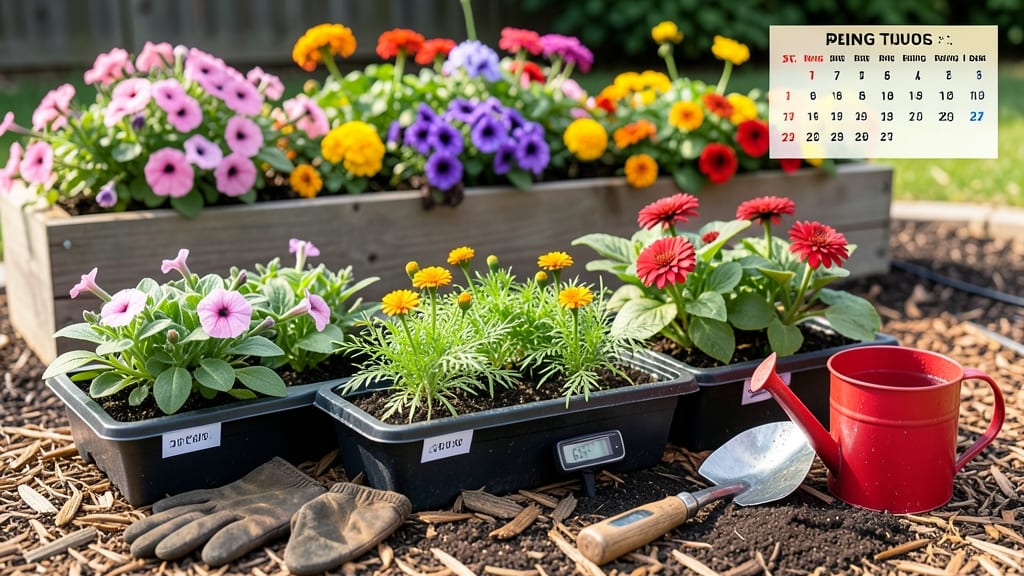
When to plant flowers in St. Louis just right means the difference between a showstopping garden and a sad, frost-nipped disappointment. With USDA Zone 6a frost dates looming, knowing when to plant your 🌸 can feel like solving a puzzle—but it’s simpler than you think.
Most gardeners here make one of two mistakes: planting too early and risking frost damage, or waiting too long and missing the full growing season.
The secret lies in understanding your local microclimates—whether you're in the city's urban heat pockets or the cooler river valleys—and aligning your planting with St. Louis's 165 frost-free days.
From cool-season annuals that love early spring to heat-tolerant perennials thriving in summer, I’ll break down exactly when to get your flowers in the ground for maximum blooms.
Whether you're a seasoned gardener or just starting, these tips will help you avoid common pitfalls and create a garden that bursts with color from spring through fall.
Ready to transform your outdoor space? Let’s dive into the perfect planting schedule tailored to St. Louis’s unique climate—so you can enjoy your 🌸 garden without the guesswork.
Best flower planting schedule by season in St. louis (Zone 6b)
St. Louis’s USDA Zone 6b climate means we must work with last frost dates around April 15 and first frosts near October 15. Missing these windows can mean lost blooms or stunted growth.
The key is aligning your planting with soil temperatures and seasonal microclimates—whether you're in urban Clayton or rural Wentzville.
Spring planting kicks off in March for cool-season flowers like pansies and snapdragons, while warm-season annuals like marigolds wait until after the last frost in mid-May. Fall planting starts in September for hardy perennials and bulbs like daffodils, which need time to establish roots before winter.
Here’s how to time your plantings for maximum success in St. Louis:
For bulbs like tulips and daffodils, plant in October when soil temps drop below 60°F. These hardy plants need cold stratification to bloom beautifully next spring. My personal trick? Mark your calendar for October 15—this is the last day to plant bulbs before winter sets in.
St. Louis’s urban heat islands (like downtown) can delay frost by 1-2 weeks compared to rural areas. If you’re unsure, use a soil thermometer to confirm temps are above 55°F before planting warm-season flowers. This small tool has saved my tomato plants and petunias from frost damage multiple times.
Don’t forget about succession planting! For continuous blooms, stagger your plantings every 2-3 weeks in spring and summer. For example, plant marigolds every 3 weeks from May to July to enjoy flowers until frost. This technique maximizes your garden’s potential and ensures you’re never without color.
If you’re planting perennials, focus on early spring or fall when plants can establish roots without competing with summer heat. My go-to perennials for St. Louis include coneflowers, black-eyed Susans, and daylilies, all of which thrive with minimal fuss once established.
For container gardening, start seeds indoors in February for early blooms. Move containers outside after the last frost, but be prepared to bring them in during unexpected late frosts. I’ve had great success with petunias and geraniums in containers, as they bloom prolifically in St. Louis’s heat.
Pro tip: Monitor the National Weather Service’s St. Louis forecast for extended outlooks. A late frost warning in April might mean delaying your warm-season annuals by another week. Being flexible with your planting schedule can mean the difference between a thriving garden and a frost-killed disaster.
Finally, always test your soil pH before planting. St. Louis’s clay soil often tests acidic (pH 6.0-6.5), but most flowers prefer a neutral pH (6.5-7.0). Amending with lime or compost can make a world of difference in bloom quality and plant health.
With these timing guidelines, you’ll be well on your way to a vibrant, year-round flower garden that thrives in St. Louis’s unique climate. Happy planting! 🌸
Top 5 flowers to plant in St. louis for year-round color (with exact months)
St. Louis’s humidity and heat spikes demand flowers that thrive in Zone 6b conditions. These top 5 performers deliver year-round color with minimal fuss, from spring bulbs to fall-blooming perennials. Let’s dive into their exact planting windows and blooming cycles.
First up: Coneflowers (Echinacea). These drought-tolerant perennials bloom from July through October and love St. Louis’s hot summers. Plant them in early spring (March-April) or early fall (September) for a low-maintenance pop of purple.
Next, Black-Eyed Susans (Rudbeckia) bring golden cheer from July to October. Their tough roots handle St. Louis’s clay soil, so plant them in March-April or September. Bonus: They attract pollinators all season!
Petunias are the queens of summer color in St. Louis, blooming from June until frost. Start seeds indoors in March or buy transplants in May after the last frost. Deadhead spent blooms to extend their season.
For spring splashes, Daffodils (Narcissus) are foolproof. Plant bulbs in October-November for March-April blooms. Their toxic foliage deters pests, making them a zero-fuss choice.
Lastly, Pansies thrive in St. Louis’s cool springs and falls, blooming from March-May and September-November. Sow seeds indoors in February or plant transplants in March and September for two seasons of color.
🌸 Top 5 Flowers for St. Louis Gardens
- Coneflowers 🌻
- Plant: March-April or September
- Bloom: July-October
- Sun: Full sun
- Black-Eyed Susans 🌼
- Plant: March-April or September
- Bloom: July-October
- Sun: Full sun to partial shade
- Petunias 🌸
- Plant: March (indoors) or May (transplants)
- Bloom: June-October
- Sun: Full sun
- Daffodils 🌷
- Plant: October-November
- Bloom: March-April
- Sun: Full sun to partial shade
- Pansies 🌺
- Plant: March or September
- Bloom: March-May, September-November
- Sun: Partial shade
Each of these flowers adapts to St. Louis’s challenging conditions, whether it’s urban heat islands or humid summers. For maximum impact, mix perennials and annuals to create a continuous bloom cycle from spring daffodils to fall pansies.
Pro tip: Mulch around plants in early spring to retain moisture during hot, dry spells. This simple step keeps your St. Louis garden thriving with minimal extra work.