
Flowers
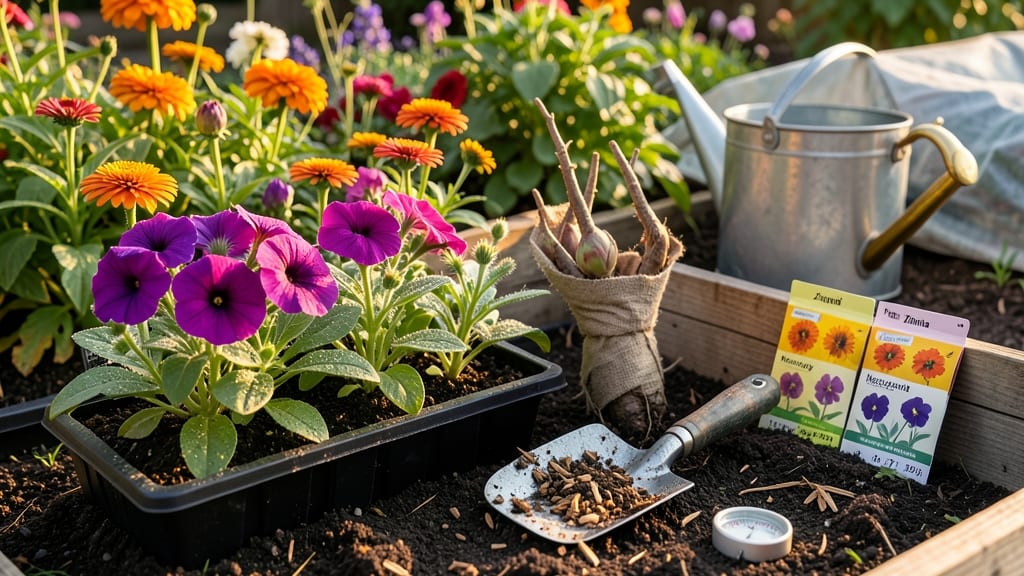
Timing your flower planting in Rhode Island can make the difference between a burst of color and a garden that never quite takes off. With USDA Zone 6a and coastal breezes to consider, getting those 🌸 blooms in the ground at just the right moment is key.
Most gardeners know early spring is prime time, but did you realize late fall planting can give your perennials a head start?
The secret lies in understanding Rhode Island's last frost dates—typically around April 15—and how to work with your local microclimate, whether you're near the ocean or inland.
In this guide, I'll break down the perfect planting windows for annuals, perennials, and bulbs so you can enjoy nonstop blooms from spring through fall. We'll cover everything from pansies that thrive in cool weather to heat-loving zinnias that need summer's warmth.
Ready to transform your yard into a showstopping display? Let's dive into the exact months and methods that work best for Rhode Island's unique growing conditions—no more guesswork, just beautiful results.
Rhode Island frost dates & USDA Zone 6b/7a planting windows explained
Understanding Rhode Island's frost dates and USDA Zone 6b/7a is your first step to a thriving garden. The Ocean State's coastal climate creates microclimates where inland areas (like Providence) may have earlier last frosts than coastal spots (such as Newport).
For most of Rhode Island, the average last frost date falls between April 15 and May 1, while the first frost typically arrives around October 15-20. This gives you roughly 165 frost-free days to grow flowers.
Your USDA Zone 6b/7a designation means you can grow hardy perennials like coneflowers and black-eyed Susans that survive winter. Annuals like marigolds and zinnias need to be planted after your last frost date to avoid cold damage.
Coastal areas may experience delayed spring warming due to ocean breezes, so always check local forecasts before planting heat-sensitive varieties.
Here's how to use these dates for your flower planting schedule:
| Planting Window | Best For | Rhode Island Examples | Key Consideration |
|---|---|---|---|
| Early Spring (March-April) | Perennials, cool-season annuals | Pansies, snapdragons, tulips | Hardy to 20°F; protect with mulch |
| After Last Frost (May 1-15) | Heat-loving annuals | Marigolds, zinnias, petunias | Wait until soil reaches 60°F |
| Early Fall (September) | Fall-blooming perennials | Asters, chrysanthemums, Russian sage | Plant 6-8 weeks before first frost |
| Late Fall (October) | Spring-blooming bulbs | Tulips, daffodils, crocus | Plant before ground freezes |
For annual flowers, timing is everything. Plant cool-season varieties like pansies and snapdragons in early spring (March-April) for spring blooms, then replace them with heat-tolerant annuals after your last frost.
My go-to annuals for Rhode Island include marigolds (plant May 15) and cosmos (plant June 1), both of which thrive in our hot, humid summers.
Perennials offer more flexibility. You can plant them in early spring (April) as soon as the ground is workable, or in early fall (September) to establish roots before winter. Daylilies and bee balm are excellent choices—they handle Rhode Island's humidity and occasional heatwaves beautifully while returning year after year.
Don't forget about bulbs! Plant spring-blooming bulbs like tulips and daffodils in October for vibrant early spring color. For summer-blooming bulbs such as dahlias, wait until after your last frost date (around May 1) to plant.
These bulbs need warm soil to sprout, making them perfect for Rhode Island's gradual spring warming.
Coastal gardeners should pay extra attention to microclimates. Areas near the ocean may experience cooler temperatures and higher humidity than inland spots. If you're in Zone 7a (like parts of South County), you can push your planting dates slightly later, but always monitor local weather patterns.
A frost watch in late May can still catch heat-sensitive plants off guard!
Pro tip: Use row covers or cold frames to extend your planting season. I've successfully grown pansies through December in my Providence garden by using a simple hoop house. This technique also helps protect tender perennials like lavender from unexpected late frosts.
Remember, Rhode Island's coastal influence means your garden might experience delayed springs or early falls. Always check the National Weather Service for your specific town's frost predictions.
When in doubt, err on the side of caution—it's better to wait a week than lose your investment to a surprise frost!
Best flowers to plant by month in Rhode Island (March–October)
Rhode Island’s coastal climate and short growing season demand strategic planting to maximize blooms. March kicks off with cool-season annuals like pansies and snapdragons, while July thrives with heat-loving zinnias and marigolds. Let’s break down the best flowers to plant each month for a year-round display.
Start in March with hardy bulbs like tulips and cool-tolerant perennials such as hellebores. These early bloomers brave Rhode Island’s late frosts (often until April 15) and reward you with vibrant color before summer heat arrives.
April is prime time for annuals like petunias and vegetable flowers (e.g., nasturtiums). Wait until after the last frost date (usually May 1) to plant heat-sensitive varieties like geraniums. Coastal gardens benefit from wind-resistant blooms like black-eyed Susans.
- 🌱 March: Tulips, daffodils, pansies, snapdragons (hardy to 28°F)
- 🌿 April: Petunias, marigolds, alyssum (plant after April 15 frost risk)
- ☀️ May: Zinnias, cosmos, sunflowers (full sun lovers for Zone 6b/7a)
- 🌻 June: Lavender, Russian sage, coneflowers (drought-tolerant picks)
- 🌷 July: Dahlias, cannas, sweet peas (extend season with succession planting)
- 🍂 August: Mums, asters, goldenrod (cool-season prep for fall)
- 🪴 September: Bulbs (tulips, crocuses), spring-flowering perennials
💡 Pro Tip: Use mulch in coastal areas to retain moisture and protect roots from salty winds.
For July and August, focus on drought-resistant varieties like lavender and Russian sage. These thrive in Rhode Island’s humid summers and sandy soils. Pair them with self-watering containers if your garden gets intense afternoon sun.
Don’t overlook fall planting! September is ideal for spring-blooming bulbs like tulips and daffodils. These establish roots before winter and burst into color by April. Add mums and asters for late-season color before the first frost (October 15).
Extend your season with succession planting—sow fast-growing annuals like zinnias every 2–3 weeks from May to July. This ensures continuous blooms until frost arrives. For coastal gardens, choose wind-resistant varieties like beach roses or sea thrift.