
Flowers
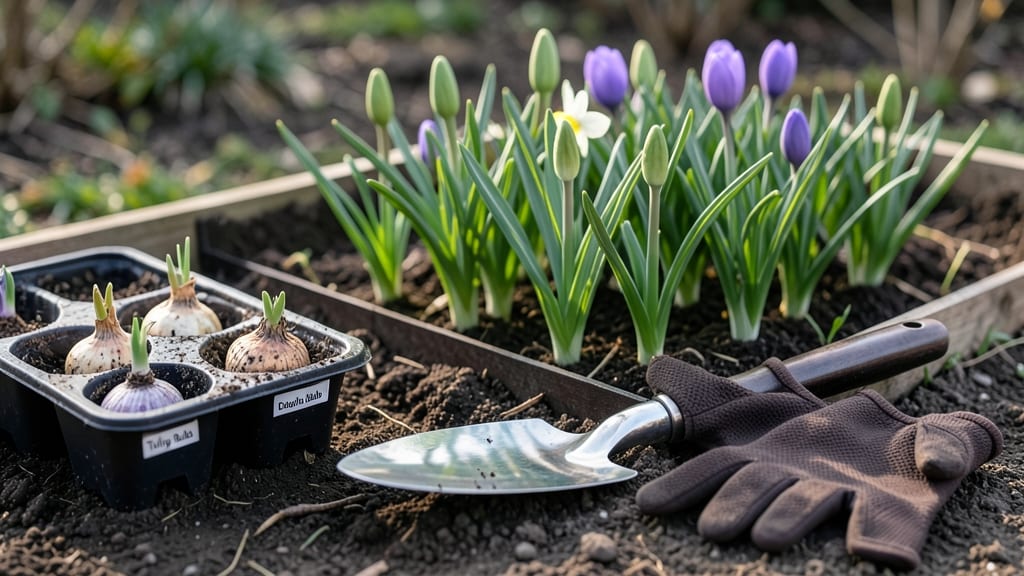
Timing your flower planting in New England isn’t just about throwing seeds in the dirt—it’s about beating frost, embracing short seasons, and turning your garden into a year-round 🌸 paradise.
With USDA zones 5a-6b and frost dates that shift from mid-April to early May, getting the timing wrong can mean the difference between a vibrant garden and a sad, frost-nipped disappointment.
But here’s the good news: New England’s spring planting window—from March to June—is your golden opportunity to transform bare soil into a riot of color.
Whether you’re planting hardy perennials in early spring or heat-loving annuals after the last frost, knowing your zone’s zero-frost-risk deadlines is the key to success. I’ll break down exactly when to plant for your specific location, so you can enjoy blooms from June through October (and beyond for perennials).
Let’s start with the basics: understanding your last frost date and how microclimates in your backyard can shift those deadlines by weeks.
From there, we’ll dive into seasonal strategies—like when to start seeds indoors, how to protect young plants, and which flowers thrive in New England’s cool springs and warm summers. No more guessing games, just a foolproof plan tailored to your garden’s rhythm.
Ready to turn your garden into a showstopper? By the end of this guide, you’ll know exactly when to plant every type of flower—annuals, perennials, and bulbs—so you can enjoy a garden that blooms on schedule, season after season. Let’s get growing!
New England planting zones: when to plant flowers by last frost dates
New England’s diverse USDA zones 3-7 create unique challenges for gardeners. The last frost date—when temperatures stay above 32°F (0°C) for at least 5 consecutive days—is your golden rule for planting.
In Zone 3 (northern Maine), this typically falls around May 15-20, while Zone 7 (southern Connecticut) sees last frosts by April 20-May 5. Microclimates near coastlines or urban areas can shift these dates by 1-2 weeks.
To pinpoint your exact window, check the National Weather Service’s frost calendar or use a local garden center’s records. For example, Portland, ME (Zone 5) averages a last frost on May 10, but Burlington, VT (Zone 4), may wait until May 25.
Planting too early risks frost damage, while waiting too long shortens the blooming season for annuals.
🌱 Did You Know?
For annual flowers, wait until 2 weeks after your last frost date to direct-sow seeds. Cool-season annuals like pansies or snapdragons can handle light frosts (28°F/-2°C) and may be planted as early as April 1 in Zone 6.
Meanwhile, tender annuals such as petunias or geraniums need consistent warmth and should wait until May 15 or later.
Perennials are more forgiving—many, like daylilies or coneflowers, can be planted 2-3 weeks before your last frost. However, tender perennials (e.g., canna lilies) should wait until after frost risk has passed. Bulbs like tulips and daffodils are planted in fall (October-November), 6-8 weeks before the ground freezes.
Use this summary table to map your zone-specific deadlines for planting annuals, perennials, and bulbs:
| USDA Zone | Last Frost Date | Annuals (Direct Sow) | Perennials | Bulbs (Fall Planting) |
|---|---|---|---|---|
| Zone 3 (Northern ME) | May 15-20 | May 30-June 5 | April 15-May 1 | Oct 1-Nov 1 |
| Zone 4 (NH/VT) | May 10-15 | May 25-June 1 | April 1-May 10 | Sep 15-Oct 15 |
| Zone 5 (MA/RI/CT) | April 20-May 5 | May 15-May 30 | March 15-April 15 | Sep 1-Oct 1 |
| Zone 6 (Southern ME/NH) | April 10-20 | May 1-May 15 | March 1-April 1 | Aug 15-Sep 1
Best flowers to plant by season in New England (with exact timing)New England’s short growing season demands smart timing—planting the right flowers at the right time ensures vibrant blooms from spring through fall. Cool-season flowers like pansies and snapdragons thrive in early spring and fall, while heat-loving annuals like zinnias and marigolds shine in summer. Perennials offer staggered blooms, so plan for a mix of both. Start by categorizing your flowers: annuals (plant after last frost), perennials (plant in spring or fall), and bulbs (plant in fall). For example, tulips and daffodils need fall planting, while petunias and geraniums wait until late spring. Use this seasonal breakdown to avoid frost damage and maximize your garden’s potential. 🌸 Seasonal Planting Timeline for New England
1
Early Spring (March-April): Cool-season annuals (pansies, violas) and hardy perennials (peony, iris).
2
Late Spring (May-June): Heat-loving annuals (zinnias, marigolds) and tender perennials (black-eyed Susan).
3
Summer (July-August): Fall-blooming bulbs (dahlias, gladiolas) and late-season annuals (cosmos, sunflowers).
4
Fall (September-October): Cool-season annuals (mums, asters) and spring-blooming bulbs (tulips, crocus).
For annuals, start seeds indoors 6-8 weeks before your last frost date (typically mid-March to early April). Direct-sow cool-season flowers like lettuce and snapdragons as soon as the soil is workable in early spring, while warm-season flowers like tomatoes and petunias wait until 2 weeks after the last frost. Perennials are more forgiving—plant them in early spring (as soon as the ground thaws) or early fall (6-8 weeks before first frost). This gives roots time to establish before winter. For example, coneflowers and black-eyed Susans planted in spring will bloom the following year, while daylilies and hostas can handle fall planting for spring blooms. Don’t forget bulbs! Plant spring-blooming bulbs (tulips, daffodils) in fall (October-November), and summer-blooming bulbs (dahlias, gladiolas) in late spring (after last frost). Bulbs need 6-8 weeks of cold to bloom, so timing is critical. Use a bulb planter for precise depth (usually 2-3 times the bulb’s height). Pro tip: Use row covers or cold frames to extend your planting season by 2-4 weeks in spring or fall. This lets you plant heat-loving flowers earlier or cool-season flowers later without frost risk. Just remove covers when flowers bloom to prevent overheating. |