
Flowers
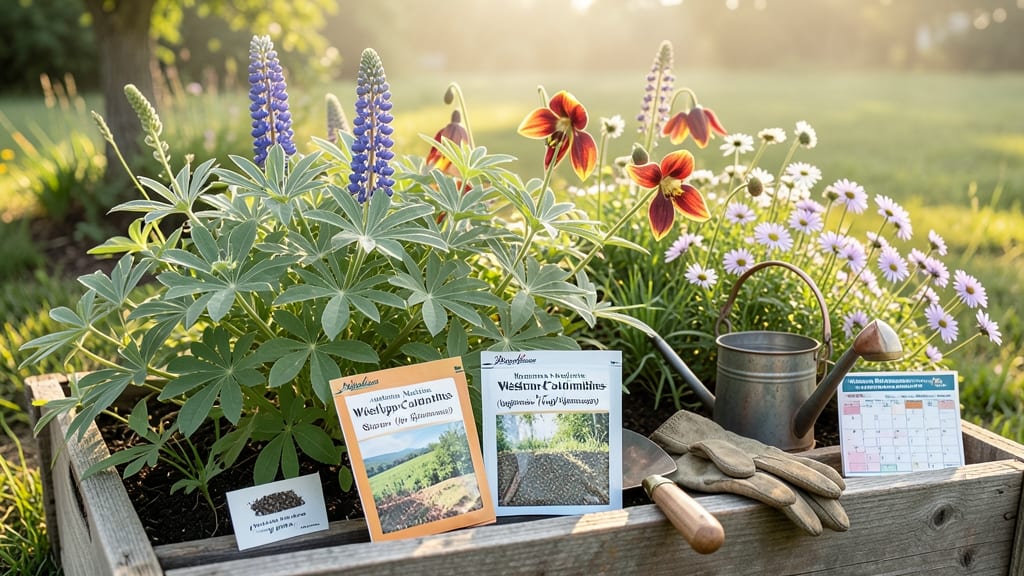
Timing your flowers in Montana planting can feel like a gamble—one wrong move, and your garden might freeze before it even takes root. But with Montana’s USDA Zones 3-7, knowing the right windows makes all the difference between a vibrant garden and a sad, snow-covered disappointment.
Most gardeners in Montana wait until April 15 to May 15 for Zones 3-5, while those in milder Zones 6-7 can start as early as March 15. The key? Planting after the last frost date—usually around May 15 in Zone 3—but before the soil gets too dry.
This cheat sheet will help you align your planting with Montana’s short but sweet growing season.
Whether you’re dreaming of delphiniums in Zone 3 or black-eyed Susans in Zone 5, the right timing ensures your 🌸 flowers thrive. I’ll break down the best months for annuals, perennials, and bulbs, plus how to adjust for microclimates and altitude.
Let’s get your Montana garden blooming like never before!
Ready to skip the guesswork? By the end, you’ll know exactly when to plant for maximum blooms—no frost surprises included. Let’s dive into the frost-date cheat sheet that’ll transform your garden this spring.
Montana flower planting dates by USDA Zone (with frost deadlines)
Montana’s USDA Zones 3-6 create unique challenges for flower gardeners, with last frost dates varying dramatically from May 15 in Zone 3 to April 15 in Zone 6.
Timing your plantings correctly ensures your annuals, perennials, and bulbs thrive despite the state’s short growing season. Let’s break down the ideal planting windows for each zone.
For Zone 3 (e.g., Glacier National Park), where winters are harsh, start hardy perennials like delphiniums indoors by March 1 and transplant after May 15. Annuals like marigolds should wait until May 20 to avoid frost damage.
In Zone 4 (Bozeman), you’ve got slightly more flexibility, with May 1 as your cutoff for frost-sensitive plants.
In Zone 5 (Missoula), where black-eyed Susans and coneflowers excel, you can plant perennials in early April and annuals by May 10. Zone 6 (Billings) offers the earliest start, with March 15 safe for tender annuals like petunias under row covers.
Always check your local Almanac frost dates—they can shift yearly!
| USDA Zone | Last Frost Date | Perennials Planting Window | Annuals Planting Window | Bulbs Planting Time |
|---|---|---|---|---|
| Zone 3 | May 15 | March 1 (indoors) / After May 15 (outdoors) | May 20 - June 15 | September 1 - October 15 (fall) |
| Zone 4 | May 1 | March 15 (indoors) / April 15 (outdoors) | May 1 - May 20 | September 15 - October 1 |
| Zone 5 | April 15 | April 1 - April 15 | April 20 - May 10 | September 15 - October 15 |
| Zone 6 | April 1 | March 15 - April 1 | March 20 - April 30 | September 1 - October 1 |
Bulbs deserve special attention in Montana. Plant tulips and daffodils in fall (September-October) to establish roots before winter. In Zone 3, opt for hardy varieties like Siberian iris, which tolerate -40°F temperatures. For Zone 6, you can even try late-summer bloomers like crocosmia in early June.
Pro tip: Use Montana State University Extension’s frost maps for hyper-local guidance. For example, Kalispell (Zone 4) often has 2 weeks earlier last frosts than Great Falls (Zone 5). Adjust your schedule accordingly to avoid late-spring freezes, which can devastate tender seedlings.
If you’re planting container flowers like geraniums, wait until after Memorial Day in Zone 3 or mid-April in Zone 6. Containers warm up faster and are more vulnerable to temperature swings. Always use well-draining soil mixes to prevent root rot in Montana’s variable rainfall.
For perennials like peonies, which take 2-3 years to bloom, plant in early spring (April) so they establish roots before summer’s dry spells. In Zone 4-5, mulch heavily with straw or wood chips to retain moisture and insulate roots during wild temperature swings.
Remember: Montana’s short growing season means early planting is key. Don’t wait for perfect weather—act now to enjoy continuous blooms from June through September. With these zone-specific dates, your garden will be the envy of the neighborhood!
🌸
How to adjust planting times for Montana’s microclimates and altitude
Montana’s diverse geography—from high-altitude valleys to urban heat pockets—means planting times can vary even within the same USDA zone. For example, Bozeman’s 5,000-foot elevation delays spring by 2-3 weeks compared to Missoula’s lower elevation.
Always check your local last frost date (not just the zone average) to avoid frost damage.
High-altitude areas (4,000+ feet) like Whitefish or Big Sky experience cooler soils longer and shorter growing seasons. Start seeds indoors 6-8 weeks before your target transplant date (e.g., early March for Zone 4).
In contrast, urban areas like Billings may warm up faster due to heat absorption from buildings.
Use row covers or cold frames to extend seasons for tender annuals like petunias or geraniums. These tools can add 2-4 weeks of growing time in early spring or late fall.
For example, in Zone 3 (Glacier National Park area), cover delicate plants until May 20 to protect against late frosts.
Southern slopes warm faster than northern exposures—ideal for early planting of sun-loving flowers like delphiniums or lavender. Conversely, shady microclimates (e.g., under large trees) may need later planting for shade-tolerant varieties like bleeding hearts or astilbes.
Monitor your garden’s microclimate patterns for 2-3 years to refine timing. Note when native plants bloom (e.g., columbine in early May)—this signals safe conditions for planting similar species. Adjust transplant dates 1-2 weeks later if your area has a history of late frosts.
For container gardens, use heat-retentive materials like black pots to warm soil faster in spring. In high-altitude zones, extend the season with cloches to plant cool-season flowers like pansies as early as late March.