
Flowers
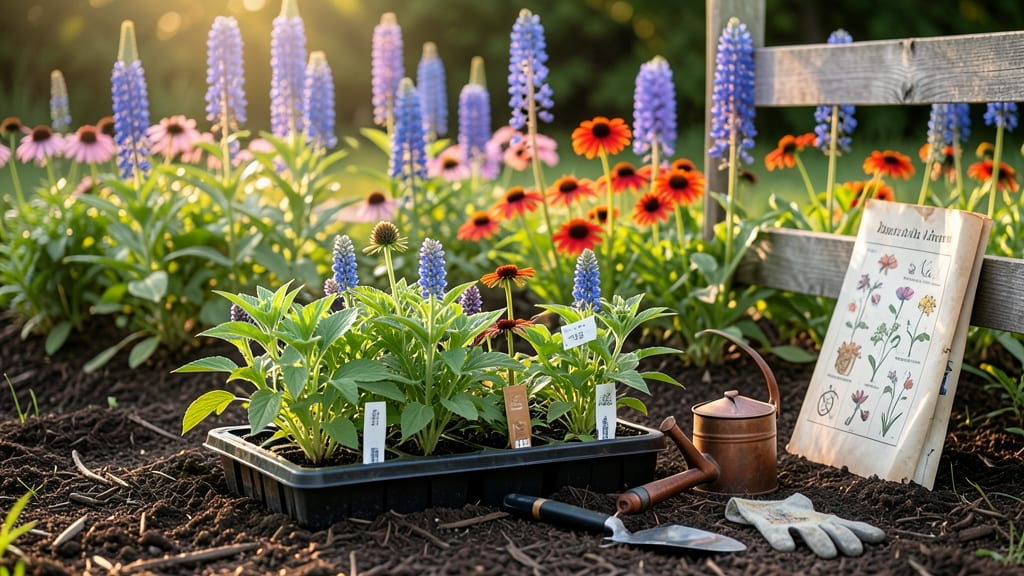
Timing your flowers in Idaho planting just right can mean the difference between a vibrant garden and a sad, frost-nipped disappointment.
Idaho’s unique mix of high deserts, mountain valleys, and everything in between creates planting zones that don’t follow the rules—what works in Boise might fail in Coeur d’Alene, and vice versa.
I’ve spent years gardening across Idaho’s USDA Zones 4-7, and the biggest mistake I see? Gardeners guessing instead of checking local frost dates.
A late spring frost in the Panhandle can wipe out tender seedlings planted too early, while southern Idaho’s heat might stress flowers if they go in too late. The key is knowing your microclimate—and I’ll show you exactly how to find those deadlines.
Whether you’re dreaming of daisies in July or tulips that return year after year, this guide breaks down the perfect planting windows for your specific corner of Idaho. We’ll cover soil prep, seed vs. transplant choices, and even how to stretch your season with simple tricks like row covers.
No more second-guessing—just confident planting that leads to blooms.
Ready to turn your Idaho garden into a year-round showstopper? Let’s get started with the exact timing you need to make every seed count.
Idaho flower planting deadlines by USDA Zone (with microclimate adjustments)
Idaho spans USDA Zones 4 through 7, but don’t let those numbers fool you—your exact planting window depends on whether you’re in Boise’s high desert (Zone 7a) or Coeur d’Alene’s mountain valleys (Zone 5b).
A 2-week difference in frost-free dates can mean the difference between thriving petunias and sad, wilted seedlings. Let’s break down the real-world deadlines for your specific microclimate.
Most Idaho gardeners follow the “last frost date” rule, but high-desert areas like Twin Falls or Idaho Falls (Zone 6b) can have frost 2-3 weeks later than valley towns like Moscow or Sandpoint (Zone 5a).
For example, while Boise’s average last frost is May 15, Priest Lake’s can linger until June 1. Use the NOAA Climate Data tool (free online) to find your localized frost dates—it’s more accurate than generic zone charts.
🌱 Key Takeaway: High-desert zones (like Boise, Meridian, or Nampa) often have earlier springs but later frosts due to cold air pooling. Mountain zones (like Sandpoint or Ketchum) warm up faster in spring but face longer frost risks into June. Adjust your timeline accordingly.
| USDA Zone | Avg. Last Frost | Plant Annuals After | Plant Bulbs (Fall) | Example Cities |
|---|---|---|---|---|
| Zone 4 (e.g., Bonners Ferry) | May 20–June 1 | June 10–15 | September 15–October 1 | Sandpoint, Coeur d’Alene |
| Zone 5 (e.g., Moscow, Lewiston) | May 10–May 20 | May 25–June 5 | September 20–October 10 | Moscow, Pullman |
| Zone 6 (e.g., Twin Falls, Idaho Falls) | May 1–May 10 | May 15–May 25 | September 25–October 15 | Twin Falls, Rexburg |
| Zone 7 (e.g., Boise, Meridian) | April 25–May 5 | May 10–May 20 | October 1–October 15 | Boise, Nampa, Caldwell |
🌿 Pro Tip: For heat-loving annuals like marigolds or zinnias, wait until after May 20 in Zone 7 to avoid bolting from sudden heat.
For perennials like coneflowers or daylilies, plant in early spring (April) as soon as soil is workable—these tough natives handle Idaho’s dry summers and cold snaps. Bulbs like tulips or daffodils need 6–8 weeks of chilling, so plant them in fall (September–October), even if your zone is 7. Cold-hardy varieties like Allium or Siberian iris can go in as early as March in Zone 4.
If you’re unsure about your microclimate, observe your neighbors’ gardens: When do their tomatoes ripen? If it’s before June 15, you’re likely in a warmer microclimate (like a south-facing slope) and can plant 2 weeks earlier.
Conversely, if frost hits after June 1, you’re in a cooler pocket and should delay until after June 10.
For container gardening (e.g., balcony petunias or hanging baskets), you can push planting 2–3 weeks later than in-ground flowers because containers warm up faster. Just move them indoors or under a row cover
How to extend your Idaho flower season: cold frames, row covers, and heat-tolerant varieties
Idaho’s short growing season and unpredictable late-spring frosts can cut your flower season short—but don’t let that stop you! With the right tools and plant choices, you can extend blooms by 3-6 weeks on either end.
Whether you’re protecting tender annuals from frost or shielding summer flowers from heat stress, these strategies work for Idaho’s USDA Zones 4-7.
For early-season protection, cold frames and row covers create microclimates that trap warmth while allowing sunlight. In Zone 5 Boise, this can push your pansies or snapdragons from May to April.
Meanwhile, heat-tolerant varieties like Blackfoot daisies or Russian sage thrive in Idaho’s 100°F+ summers, blooming when other flowers wilt. Let’s break down the best methods for your garden.
Cold Frames vs. Row Covers: What’s Best for Idaho?
Cold Frames
- Pros: Extends season by 4-6 weeks, protects from light frosts (down to 20°F), reusable for years.
- Cons: Expensive upfront, requires ventilation in summer, needs daily monitoring.
Row Covers
- Pros: Affordable ($10-$20 per 100 sq ft), lightweight (easy to remove), works for large gardens.
- Cons: Only protects to 28°F, can overheat plants if left on too long, less durable (1-2 seasons).
If you’re planting in May but worried about late frosts, opt for organic row covers (like hemp fabric)—they allow more airflow than plastic and won’t smother plants.
For summer heat, shade cloth (30-50%) can protect delicate blooms like impatiens from scorching. Pair this with deep watering (1-2 inches per week) to keep roots cool.
For heat-loving flowers, native Idaho varieties are your best bet. Blanket flowers (Gaillardia) and purple coneflowers (Echinacea) handle drought and heat like champions, while zinnia ‘Benary’s Giant’ thrives in Boise’s 90°F summers. These picks need minimal water once established—perfect for Idaho’s low-rainfall zones.
Don’t forget mulching! A 2-3 inch layer of straw or wood chips keeps soil cool in summer and warm in spring, giving your flowers a longer active season. In Zone 6 Lewiston, this can mean 2 extra weeks of blooms before fall frost hits.
Combine mulch with drip irrigation for consistent moisture—Idaho’s dry winds can dry out soil fast.
With these tricks, you can turn Idaho’s challenging climate into an advantage. Start with row covers for early blooms, swap in heat-resistant varieties for summer, and mulch to lock in moisture.
Your garden will stay vibrant from April to October—no frost or heat stress in sight! 🌻