
Flowers
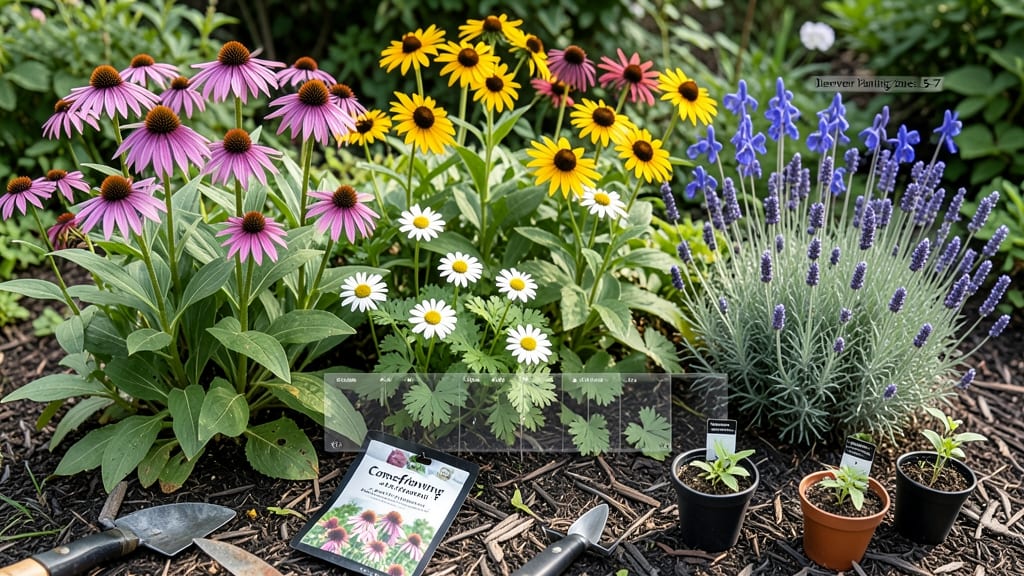
Timing your when to plant flowers in Denver isn’t just about luck—it’s about beating the 5b-6a zone’s last frost (usually around April 15) before your 🌸 dreams turn to ice. I’ve seen too many gardeners rush spring planting only to watch their tender blooms crisp under Denver’s unpredictable weather.
Here’s the game-changer: Planting after March 15 (spring) or August 15 (fall) gives your flowers the 150 frost-free days they need to thrive. But with Denver’s microclimates—like the warmer South Platte Valley or cooler foothills—your exact deadlines might shift by weeks.
Let’s break down the perfect windows for annuals, perennials, and bulbs so you can skip the guesswork.
You’ll also discover how to stretch your season with row covers, choose heat-loving varieties like zinnias, and protect cold-hardy picks such as columbines. Whether you’re a first-time gardener or a Denver veteran, these actionable tips will turn your yard into a year-round floral showstopper—no frost-related disappointments included.
Ready to skip the trial-and-error? I’ll walk you through soil prep, post-planting care, and even a frost date calculator trick to customize your schedule. Your blooming season starts now—let’s get those flowers in the ground the right way.
Denver flower planting deadlines by season (zone 5b/6a frost dates)
Denver’s USDA Zone 5b/6a climate means your flower planting timeline hinges on last frost dates around April 15 and first frost near October 15. Missing these windows can leave your tender annuals wilted overnight—or worse, frozen solid.
But don’t panic: with the right timing, you can enjoy continuous blooms from spring through fall.
For spring planting, aim to sow cold-hardy perennials like columbines and daisies as early as March 15, while warm-season annuals (e.g., zinnias, marigolds) should wait until May 1 after the last frost. Fall planting works best from August 15 to September 15, giving flowers time to establish roots before winter.
Denver’s high-altitude microclimates complicate things: areas near the South Platte River warm faster than the foothills. Use a frost-free calculator (like the one from Colorado State University) to adjust your deadlines by up to 2 weeks depending on elevation.
🌱 Denver Flower Planting Timeline
| Season | Planting Window | Best Flowers | Soil Temp | Frost Risk |
|---|---|---|---|---|
| Early Spring | March 15 – April 15 | Columbines, Bleeding Hearts, Tulips | 40–50°F (4–10°C) | High (use row covers) |
| Late Spring | April 15 – May 15 | Pansies, Snapdragons, Sweet Peas | 50–60°F (10–15°C) | Moderate (watch forecasts) |
| Summer | May 15 – August 15 | Zinnias, Marigolds, Black-Eyed Susans | 60°F+ (15°C+) | Low (heat-tolerant) |
| Fall | August 15 – September 15 | Asters, Chrysanthemums, Calendulas | 50–60°F (10–15°C) | Low (early frost risk) |
🌡️ Pro Tip: Test soil temperature with a soil thermometer—most flowers need 50°F+ to thrive.
If you’re itching to plant tender flowers like petunias or geraniums before the last frost, start them indoors 6–8 weeks early and transplant after May 15. For bulbs like tulips, plant in October—they’ll naturalize and return year after year.
Denver’s short growing season (about 150 frost-free days) demands efficiency. Prioritize fast-growing annuals for summer color and perennials that multiply over time. Even a 1-week delay can mean the difference between lush blooms and stunted growth.
Don’t forget to harden off seedlings before transplanting—Denver’s dry winds and temperature swings can shock young plants. Acclimate them over 7–10 days by gradually exposing them to outdoor conditions.
For container gardening, use heat-retentive materials like terracotta to protect roots from late spring frosts. Place pots near south-facing walls to maximize warmth during Denver’s cool mornings.
Track your local frost dates using the National Weather Service’s Denver forecast or apps like Frost Freeze Alerts. Set reminders for April 15 (last frost) and October 15 (first frost) to stay ahead of the game.
With these deadlines locked in, your Denver garden can bloom nonstop—from spring columbines to fall asters. Just remember: patience and preparation beat frost every time. 🌷
How to extend Denver’s growing season for early/late plantings
Denver’s short growing season can feel like a race against frost—but with the right tricks, you can extend your flower season by weeks. The key is protecting tender plants from late frosts and maximizing warmth for early blooms.
I’ve tested these methods in my own garden, and they’ve added 30+ frost-free days to my planting windows!
Start by planting heat-loving annuals like zinnias and marigolds after Memorial Day (May 25). These thrive in Denver’s hot July-August heat and give you bold color when other flowers fade.
For a head start, use row covers or cold frames to shield seedlings from late April frosts—I’ve seen tomato plants survive 28°F with this trick!
For fall plantings, aim for August 15–September 15 to give flowers time to root before frost. Cold-hardy perennials like columbines and sedum can handle light frosts, but annuals need protection. Mulch heavily (3–4 inches) to insulate roots—this can delay frost damage by 2–3 weeks in my experience.
- 🔥 Use row covers (floating fabric) to protect seedlings from late frosts (tested down to 25°F).
- ☀️ Plant heat lovers (e.g., zinnias, sunflowers) after June 1 for peak summer blooms.
- 🌡️ Monitor soil temps—wait until 50°F+ for warm-season flowers like petunias.
- 🍂 Mulch in fall (straw or leaves) to insulate roots and delay frost by 2–3 weeks.
- 🪴 Start perennials indoors 6–8 weeks before last frost for a jump on spring color.
Don’t overlook microclimates—Denver’s South Platte Valley stays warmer than the foothills by 5–10°F.
Use this to your advantage: plant tender flowers (like geraniums) 2 weeks earlier in low-lying areas. Cold frames (DIY with clear plastic bins) can add 10–15°F of warmth—perfect for overwintering hardy perennials like lavender.
For late-season blooms, try succession planting with fast-growing annuals like bachelor’s buttons or cosmos. These self-seed easily and rebloom if deadheaded regularly. I’ve seen cosmos flower until October 1 with minimal care—just water deeply and remove spent blooms!
Pro tip: Avoid planting too early—even cold-hardy flowers can rot in cold, wet soil. Test your soil with a thermometer (aim for 50°F+) before committing. And always harden off seedlings gradually to prevent shock—3–5 days of outdoor acclimation works best in my garden.