
Flowers
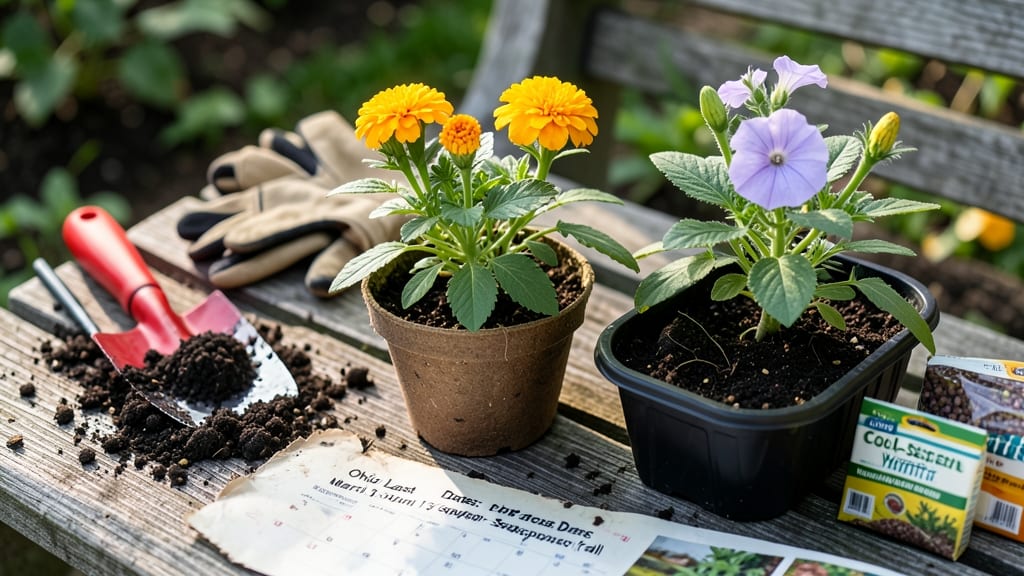
Timing your flower seeds planting in Ohio right is the secret to a garden bursting with color—without the guesswork.
Ohio’s USDA Zone 6a climate means you can start seeds indoors as early as February for a head start, but direct sowing waits until after the last frost date around April 15.
Whether you’re dreaming of towering sunflowers or delicate petunias, getting the timing down transforms your garden from a maybe into a guaranteed showstopper. I’ll walk you through the exact windows for annuals, perennials, and bulbs, so you can avoid common pitfalls like late frosts or overheated soil.
Pro tip: Some flowers, like zinnias, thrive even when planted a little late—perfect for Ohio’s unpredictable spring. You’ll also learn how to adjust for your specific microclimate, whether you’re in Northern Ohio’s cooler pockets or the warmer Southern regions.
Ready to turn your garden into a blooming masterpiece? Let’s dive into the foolproof schedule that’ll have your 🌸 flower seeds flourishing all season long.
Ohio flower seed planting calendar by month: best times for annuals, perennials, and bulbs
Ohio’s USDA Zone 5b/6a climate means your flower seeds need precise timing to thrive—plant too early and frost zaps tender sprouts, too late and summer heat stresses young plants.
The key is aligning your planting with soil temperatures (aim for 60°F+) and frost-free dates, which typically land between April 15–May 1 in most regions. Northern Ohio may wait until May 10, while Southern Ohio can start as early as April 1.
For cold-hardy annuals like snapdragons and calendulas, you can even begin indoor seed starting in February—these varieties tolerate light frosts and germinate quickly in 55–65°F soil.
Perennials like black-eyed Susans and coneflowers prefer direct sowing in late April to early May, while bulbs such as tulips and daffodils go in fall (October–November) for spring blooms.
Below is your month-by-month planting guide, tailored to Ohio’s microclimates. Use this as your roadmap to avoid common pitfalls like overcrowded seedlings or bolting from heat stress.
| Month | Flowers to Plant | Planting Method | Soil Temp | Notes |
|---|---|---|---|---|
| February | Snapdragons, Calendulas, Pansies | Indoor Starts | 60–65°F | Use grow lights; transplant outdoors after last frost. |
| March | Sweet Alyssum, Larkspur, Sweet Peas | Indoor/Outdoor (with frost cloth) | 50–60°F | Cover seeds if frost threatens; harden off seedlings. |
| April | Marigolds, Zinnias, Sunflowers | Direct Sow After Frost | 60°F+ | Wait until soil warms; mulch to retain heat. |
| May | Cosmos, Nasturtiums, Black-Eyed Susans | Direct Sow or Transplant | 55–70°F | Ideal for succession planting; water deeply. |
| June–July | Late-Bloomers: Dahlias, Celosia | Direct Sow (heat-tolerant) | 70°F+ | Plant in partial shade; keep soil moist. |
| October–November | Tulips, Daffodils, Hyacinths | Bulb Planting | 40–50°F | Plant 6–8 weeks before first frost for spring blooms. |
Pro tip: Use biodegradable seed starters for April–May plantings to give seeds a head start in cooler soil. These dissolve into the earth, eliminating transplant shock.
For Southern Ohio, you can push the envelope with tender perennials like salvias as early as March 15, but cover them with frost blankets if nighttime temps dip below 32°F.
Remember, Northern Ohio’s shorter growing season demands earlier starts. If you’re in Zone 5b (e.g., Cleveland, Toledo), prioritize fast-germinating seeds like cosmos (5–7 days) over slower varieties such as hollyhocks (21+ days). Succession planting every 2–3 weeks after your first sowing ensures continuous blooms through fall’s first frost.
For bulbs and perennials, mark your calendar for October 1–15—this is Ohio’s sweet spot for planting tulips and alliums. The soil stays warm enough for roots to establish before winter dormancy, but cold snaps help break bulb dormancy for vibrant spring displays.
Avoid planting bulbs in waterlogged soil; amend clay-heavy areas with compost or sand to prevent rot.
Track your local frost dates using the Old Farmer’s Almanac or your county’s agricultural extension office. In Central Ohio, the average last frost is April 22, while Southeastern Ohio sees it as early as April 5.
Adjust your timeline accordingly—patience pays off with stronger, hardier plants.
How to adjust planting times for Ohio’s unpredictable weather patterns
Ohio’s spring frost dates can shift by weeks, leaving gardeners scrambling to adjust planting schedules. A late frost in May or an early heatwave in April can derail even the best-laid plans—but with the right strategies, you can turn these challenges into opportunities for a thriving garden.
First, always check the Ohio State University Extension’s frost predictions for your specific county. Northern Ohio (e.g., Cleveland) often sees frost until May 10, while Southern Ohio (e.g., Cincinnati) may be frost-free by April 1.
Use these dates as your baseline, then add a 2-week buffer for high-risk varieties like petunias or marigolds.
The key to success lies in soil temperature. Most flower seeds need soil to reach at least 60°F (15°C) before germinating. Use a soil thermometer to monitor conditions—if temperatures dip below this threshold, wait or use black plastic mulch to warm the soil faster.
For varieties sensitive to cold snaps, like cosmos or zinnias, consider starting seeds indoors 4-6 weeks before the last frost date. Transplant seedlings outdoors only after hardening them off for 7-10 days and when nighttime temperatures consistently stay above 50°F (10°C).
Heatwaves can also disrupt planting. If a 90°F (32°C) stretch is forecasted, delay sowing until temperatures drop or use shade cloth to protect young seedlings. Some flowers, like sunflowers, actually prefer warmer soil, so plant them in late May or early June for optimal growth.
Here’s how to handle rain delays: Avoid working wet soil, as it compacts easily and can smother seeds. Instead, use a seedling tray indoors or mark your garden bed with stakes so you can plant as soon as the ground is workable.
For bulbs like tulips, plant them in fall (October-November) to avoid spring mud.
Protect tender seedlings with row covers or cloches if frost threatens after planting. These lightweight fabrics trap heat and shield plants from -2°F (-19°C) temperatures. Remove covers during the day to allow pollination and prevent overheating.
⚠️ Late Frost Warning for Ohio Gardeners
Ohio’s last frost date can vary by 3 weeks across the state. If you plant cold-sensitive flowers like begonias or impatiens too early, a late frost can kill them outright. Always have a backup planting date—typically 2-4 weeks after your initial target—to ensure success.
Action: Monitor the National Weather Service or local Cooperative Extension for updates. If frost is forecasted, cover plants with old blankets or burlap sacks and remove them during the day.
Finally, embrace Ohio’s microclimates. South-facing slopes warm up faster, while low-lying areas stay cooler longer. Use these natural variations to your advantage: Plant heat-loving flowers like lantana on sunny slopes and cool-season bloomers like pansies in shaded spots.
With these adjustments, you’ll outsmart Ohio’s weather and enjoy a garden that blooms beautifully—no matter what Mother Nature throws your way.