
Flowers
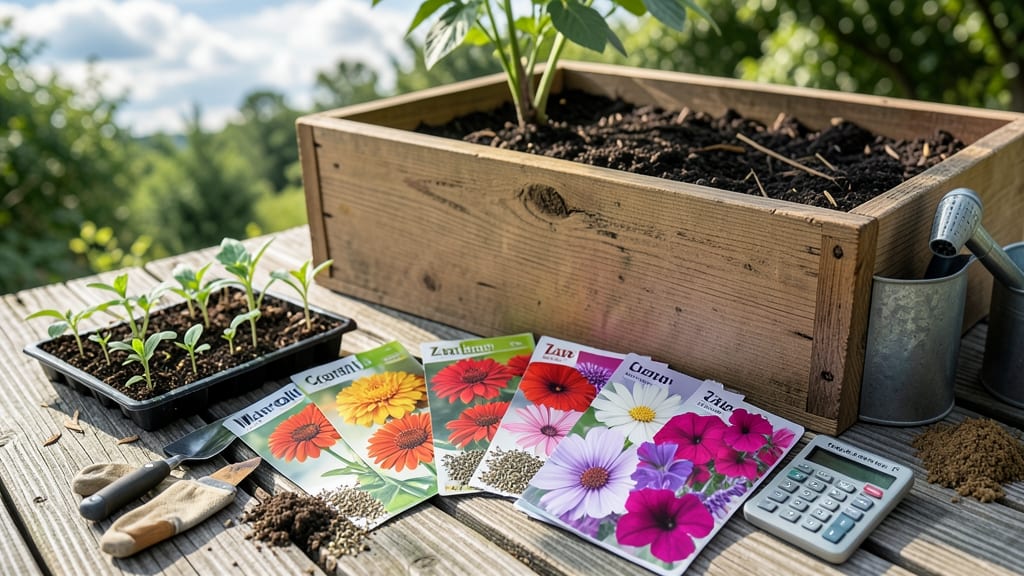
Timing your flower seeds 🌸 planting in Texas isn’t just about the calendar—it’s about beating the brutal heat and unpredictable frost that can turn your garden dreams into a sad, wilted mess.
One wrong move, and your spring blooms could face a premature freeze, while summer’s scorching sun might fry your seedlings before they even sprout.
But here’s the good news: Texas gardeners have a secret weapon—heat-zone mapping. By aligning your planting schedule with your specific region (think North Texas’ chilly winters vs. South Texas’ balmy stretches), you can stretch your flowering season from early spring all the way to late fall.
Whether you’re dreaming of bluebonnets in March or zinnias thriving in September, knowing the exact windows makes all the difference.
I’ll break down the optimal planting months for your zone, including when to start seeds indoors vs. direct-sowing for maximum success. No more guessing—just a clear, foolproof plan to turn your Texas yard into a year-round blooming paradise.
Ready to skip the trial-and-error? Let’s dive into the precise timing that’ll give your flower seeds the best shot at thriving—no matter where you are in the Lone Star State.
Texas heat-Zone map: exact planting windows by region (avoid frost & heat stress)
Texas spans 11 heat zones (A-F), each with unique frost-free windows for planting flower seeds.
Whether you're in North Texas (Zone A) or the Gulf Coast (Zone F), knowing your exact last frost date is critical—cool-season flowers like pansies can't handle Texas' infamous January freezes, while heat-lovers like zinnias wilt if planted too early.
For example, North Texas (A-B zones) typically sees its last frost around February 15, while South Texas (E-F zones) can start as early as January 15.
Microclimates—like urban heat islands or elevated Hill Country—can shift these dates by 1-2 weeks, so always check local weather records or use the Texas A&M AgriLife Extension frost maps.
🌱 Pro Tip: Use USDA Zone 8a-10b as a baseline but prioritize heat-zone adjustments—a Zone 9 garden in Austin may need a different timeline than one in El Paso.
Texas Heat-Zone Planting Windows for Flower Seeds
| Heat Zone | USDA Zone | Last Frost Date | Cool-Season Start | Heat-Season Start | Key Flowers |
|---|---|---|---|---|---|
| A (North Texas) | 8a | Feb 15 | Feb 20–Mar 15 | Aug 1–Sept 15 | Pansies, Snapdragons, Zinnias |
| B (Central Texas) | 8b | Feb 1 | Feb 10–Mar 10 | Jul 20–Aug 30 | Sweet Alyssum, Sunflowers, Marigolds |
| C (Hill Country) | 8a-9a | Jan 25 | Jan 30–Feb 20 | Jul 15–Aug 20 | Bluebonnets, Cosmos, Lantana |
| D (East Texas) | 8a-8b | Feb 10 | Feb 15–Mar 5 | Jul 10–Aug 15 | Petunias, Vinca, Black-Eyed Susans |
| E (South Texas) | 9a-9b | Jan 15 | Jan 20–Feb 10 | Jun 20–Aug 10 | Portulaca, Gaillardia, Mexican Sunflower |
| F (Gulf Coast) | 10a-10b | Dec 15 | Jan 5–Feb 5 |
Best flower seeds for Texas’ two planting seasons (cool vs. heat lovers)Texas’ extreme temperature swings mean your flower seeds need a strategic split: cool-season bloomers for early spring and heat-loving varieties for late summer. Skipping this split risks frost damage or heat stress—so let’s match your planting schedule to the right flowers for each window. For cool-season flowers (Jan–March), focus on varieties that thrive in 50–70°F soil. These hardy picks handle Texas’ North Texas chill while blooming before summer’s heat arrives. In South Texas, you’ve got a slightly longer window—just time your sowing to avoid late-spring heat spikes. 🌱 Pro Tip: Start cool-season seeds indoors 6–8 weeks before your last frost date (e.g., late December for North Texas, early January for South Texas). This gives seedlings a head start before transplanting after February 15. 🌸 Cool-Season Flowers (Jan–March)
✅ Pros
❌ Cons
Top Picks: Pansies, Snapdragons, Sweet Alyssum, Calendula, Stock
☀️ Heat-Season Flowers (Aug–Sept)
✅ Pros
❌ Cons
Top Picks: Zinnias, Sunflowers, Marigolds, Cosmos, Lantana
For heat-season flowers (Aug–Sept), wait until soil temps hit 70°F+—direct sowing too early risks leggy, weak seedlings. In North Texas, aim for mid-August; in South Texas, you can start as early as July 15 for a fall display. 💧 Watering Hack: Use mulch to retain moisture for heat-lovers—this is non-negotiable in Texas’ 100°F+ summers. A 2-inch layer of straw or shredded leaves keeps roots cool and hydrated. By pairing cool-season blooms with heat-season stars, you’ll enjoy nonstop color from February to November. Next up: Pro Tips to push these windows even further—because why stop at the basics when you can beat the heat and frost like a pro? |