
Plants
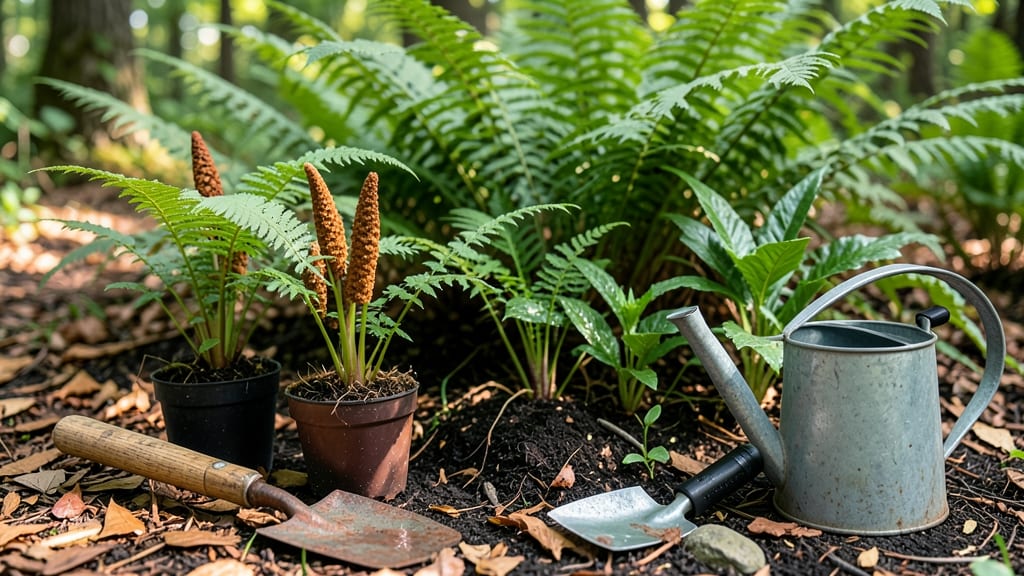
Timing your Fern planting in Michigan can mean the difference between a lush, thriving garden and a sad, struggling plant. With Michigan's 5b-6b climate zones, knowing exactly when to plant your 🌿 ferns is crucial for their survival and growth.
Most gardeners in Michigan wait until after the last frost date, which typically falls in mid-April, to plant ferns. This gives the soil time to warm up and reduces the risk of frost damage to your delicate new plants.
However, early fall planting in September can also work well for establishing ferns before winter sets in.
Ferns are often propagated from divisions rather than seeds or spores, making them easier to transplant once the ground is workable. Whether you're planting in spring or fall, preparing the soil with organic matter and ensuring it stays moist will help your ferns take root and flourish.
Let's dive into the best practices for planting ferns in Michigan's unique climate, so you can enjoy vibrant, healthy foliage all season long. You'll learn how to choose the right time, prepare your soil, and select the best fern varieties for your garden.
Best planting months for ferns in Michigan’s climate zones
Michigan’s USDA Zones 5b-6b create a unique challenge for fern growers. Unlike tropical varieties, most Michigan-adapted ferns thrive with cool spring temperatures and moist soil, but timing is critical to avoid late frosts or summer drought.
The ideal planting window balances soil warmth with frost risk—typically April through early May for spring planting or early September for fall.
For hardy fern varieties like Ostrich Fern or Christmas Fern, you can push planting to late March if your soil isn’t frozen. However, tender species like Maidenhair Fern need to wait until after the last frost date (usually mid-April in southern Michigan, late April in the north).
Planting too early risks root rot from cold, wet soil, while waiting too long delays establishment before winter.
Michigan’s microclimates add another layer of complexity. Southern regions (like Detroit or Ann Arbor) can plant 2 weeks earlier than northern areas (like Traverse City or Marquette). Always check your local frost dates—tools like the Michigan State University Garden Hotline provide county-specific guidance.
For container-grown ferns, you have slightly more flexibility, as pots warm faster in spring.
Spring planting gives ferns 6-8 weeks of growing season before summer heat arrives, while fall planting lets them establish roots before winter dormancy. Early September is ideal for fall—soil stays warm enough for root growth, but nights cool down, reducing stress.
Avoid planting after mid-September, as new roots may not harden off before frost.
🌿
🌱 Michigan Fern Planting Timeline by Zone
| Zone | Spring Planting Window | Fall Planting Window | Key Consideration |
|---|---|---|---|
| 5b (Northern MI) | Late April - Early May | Early September | Wait for soil to warm to 50°F |
| 6a (Southern MI) | Mid-April - Late April | Mid-September | Avoid planting after September 15 |
| All Zones | After last frost | Before first frost | Use mulch to protect roots |
If you’re planting fern divisions (the most common method in Michigan), aim for early spring when roots are still dormant but soil is workable. Divisions planted in fall may not establish as quickly, but they benefit from winter moisture in Michigan’s climate.
For spore-sown ferns (like Maidenhair), start indoors in February-March under grow lights, then transplant after frost.
Michigan’s clay-heavy soils can delay planting if saturated. Amend beds with compost or peat moss 2-3 weeks before planting to improve drainage. In urban areas with heat islands, planting in late May may be safer for tender varieties, as summer microclimates can mimic Zone 7 conditions.
Always monitor 7-day forecasts for frost warnings when planting in May.
For container-grown ferns, you can extend the season by moving pots to protected locations (like a sunroom or under eaves) during late spring frosts. Harden off plants gradually if transitioning from indoor starts to outdoor beds.
In Zone 5b, consider row covers for early spring plantings to shield young fronds from late frosts (which can occur until May 15 in northern Michigan).
Remember: Ferns establish slowly—planting at the right time ensures they have 6-8 weeks of active growth before dormancy. In Michigan, that means spring planting is your best bet for first-year frond production, while fall planting sets the stage for stronger root systems next season. 🌱
Best planting months for ferns in Michigan’s climate zones
Michigan’s USDA zones 5b-6b mean ferns face late spring frosts and early fall chills. The ideal window to plant ferns is April through early May after the last frost date, which typically lands in mid-April for southern Michigan and late April for northern regions.
This timing gives ferns 6-8 weeks of warm soil before summer heat sets in.
For hardy fern varieties like Ostrich Ferns or Christmas Ferns, you can push planting to late March if you use row covers or plant in protected microclimates (e.g., near foundations or under deciduous trees).
Tender ferns, such as Maidenhair Ferns, should wait until after May 15 to avoid frost damage.
Another great option is early fall planting in September. This allows ferns to establish roots before winter dormancy. Choose September’s first half for this approach, as soil remains warm enough for root growth but temperatures drop by late September, reducing stress.
🌿 Michigan Fern Planting Timeline
| Zone | Last Frost | Ideal Planting Window | Frost Risk |
|---|---|---|---|
| 5b (Northern MI) | Late April | May 1–15 | High (late frosts) |
| 6a (Southern MI) | Mid-April | April 15–May 10 | Moderate (occasional late frosts) |
| 6b (Southwest MI) | Early April | April 1–May 5 | Low (rare late frosts) |
If you’re planting fern divisions (the most common method), aim for soil temperatures above 50°F. Use a soil thermometer to check—Michigan’s spring soil warms slowly, especially in clay-heavy regions. For spore-sown ferns, start indoors in February-March for transplanting outdoors in May.
Watch for Michigan’s microclimates: Urban areas warm faster than rural spots, and south-facing slopes thaw earlier. Adjust your planting date by 1-2 weeks if your garden is in a warmer microclimate. Always have row covers on hand for unexpected late frosts.
For container-grown ferns, you can plant as late as June, but expect slower growth. These ferns benefit from consistent moisture and shade cloth during Michigan’s hot summers. Mulch heavily to retain soil moisture and regulate temperature.
Remember, ferns thrive in humid conditions. Michigan’s high humidity in summer is ideal, but dry spells (common in July-August) require extra watering. Planting in early spring ensures your ferns establish deep roots before summer drought stress sets in.