
Plants
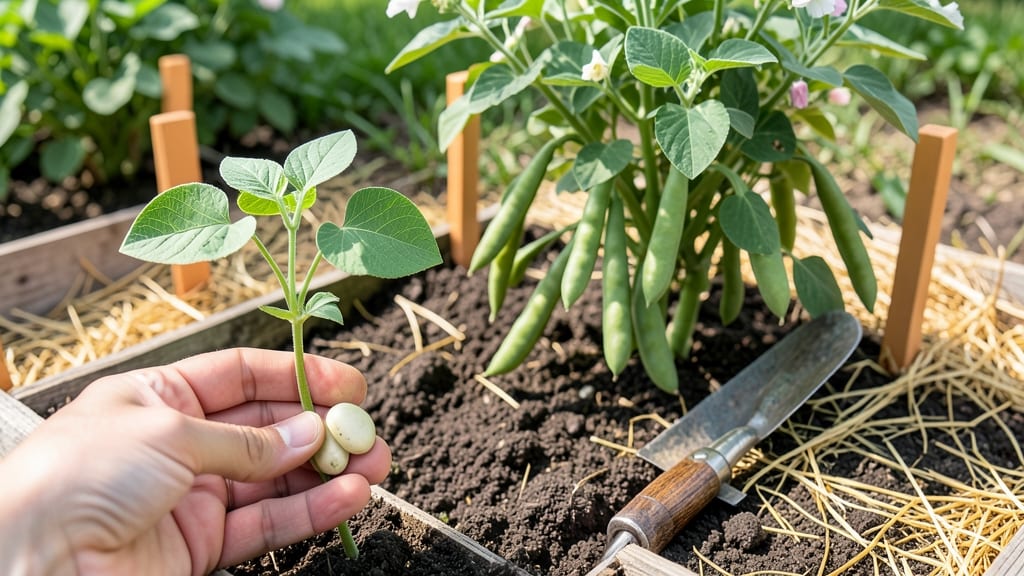
If you’ve ever wondered why your fava bean plants 🌱 seem to thrive in some California gardens but struggle in others, the answer lies in timing—specifically, when you plant them. California’s varied climate means coastal fog belts and inland valleys have completely different rules for growing these nitrogen-rich legumes successfully.
The key to reliable harvests is understanding your local chill-hour needs, which vary by fava bean variety and microclimate. Whether you’re in USDA Zone 8-10 or a coastal area with milder winters, planting too early or too late can mean the difference between a bumper crop and wasted effort.
In this guide, I’ll break down the best planting windows for fall and spring, plus how to adjust for your specific region. You’ll learn how to calculate chill-hours, extend your growing season, and even troubleshoot common mistakes that hold back California gardeners.
Ready to turn your fava bean dreams into a real harvest? Let’s get started with the perfect timing for your garden’s unique conditions.
California fava bean planting calendar by chill-hour requirements
Fava beans thrive in California’s cooler seasons, but their chill-hour needs vary dramatically by variety. High-chill varieties like Aquadulce and Major need 500-800 chill-hours to produce well, while Broad Windsor handles just 200-300 chill-hours.
Coastal areas (like San Francisco) rarely drop below 40°F, so timing shifts toward late winter planting, while inland valleys (like Sacramento) can start earlier in fall.
Understanding your local chill-hours is key—coastal gardeners often plant in February-March, while inland growers may start as early as October-November. The goal? Plant when soil temps are between 45-65°F and nights stay above 35°F to avoid frost damage.
Let’s break down the best months for each variety in your region.
🌱
For coastal California, where winters are mild and foggy, focus on late winter planting (January-February) to avoid summer heat stress. Inland areas with colder winters (like the Central Valley) can plant as early as October, but monitor soil temperatures—they should stay above 45°F for germination.
Pro tip: Use row covers in coastal areas to protect young plants from chilly coastal winds. Inland growers should prioritize well-draining soil to prevent waterlogging during winter rains. Both regions benefit from succession planting—sow seeds every 2-3 weeks for continuous harvests.
🌿
If you’re in a transition zone (like the Bay Area’s East Bay), aim for mid-February planting. Test your soil’s chill-hour accumulation using free tools like PlantMap or local <
How to calculate your local chill-hours for fava bean success
Fava beans thrive when they experience enough chill-hours—temperatures between 32°F and 45°F—to break dormancy. In California, this varies wildly from coastal fog zones to inland valleys, so knowing your local chill-hours is key.
Without this data, you might plant too early or late, risking poor germination or bolting.
Start by checking your USDA Hardiness Zone (California ranges from Zone 8-10), then dive deeper with NOAA climate data for your exact location. Tools like PlantMap or LocalClimate can automate this process, but I’ll walk you through the manual method for precision.
Why chill-hours matter: High-chill varieties like Aquadulce need 500+ chill-hours, while low-chill Broad Windsor thrives with just 200-300 hours. Planting outside these ranges can lead to stunted growth or no harvest at all.
To calculate chill-hours manually, track nighttime lows for 30-60 days using a garden thermometer or weather station. Multiply the number of hours below 45°F by the days they occurred.
For example, if your garden hits 40°F for 5 hours every night for 100 days, that’s 500 chill-hours—perfect for Aquadulce.
Pro tip: Use a garden journal to log daily temps. Note when your local chill-hours hit the minimum for your variety, then plant 2-3 weeks later to align with soil warming.
Coastal gardeners often plant later due to milder winters, while inland growers may start earlier to avoid summer heat.
For real-time data, bookmark NOAA’s Climate Data or Weather Underground. These tools show historical trends, helping you predict chill-hours for future seasons. Pair this with a soil thermometer to confirm ground temps are above 50°F before planting—fava beans won’t germinate in cold soil.