Plants
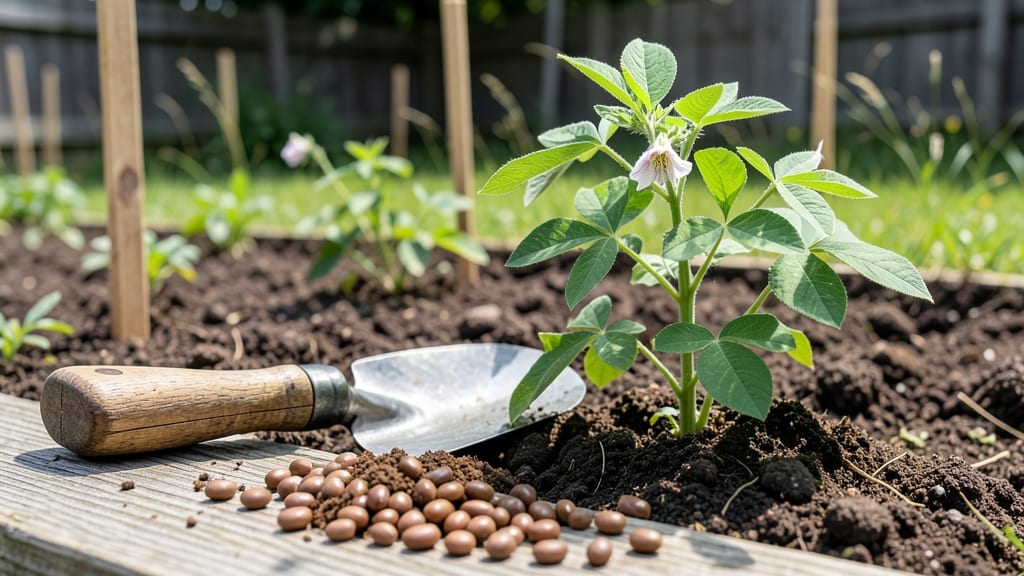
Knowing when to plant fava beans in Zone 8 could mean the difference between a lush garden full of these nutritious legumes and a patch of empty soil.
These cool-season plants 🌱 actually prefer the crisp air of fall and early spring, making them perfect for our mild Zone 8 winters.
If you've ever wondered why some gardeners get abundant harvests while others struggle, timing is the key. Planting too early risks frost damage, while waiting too long lets summer heat stress your crops. The secret lies in understanding your local microclimate and working with nature's rhythms.
I'll show you exactly when to put those seeds in the ground for maximum yield - whether you're aiming for late winter harvests from fall plantings or summer pods from early spring sowings.
With these precise windows, you'll be on track for a thriving fava bean patch that keeps producing season after season.
Let's dive into the best planting schedules that work perfectly for Zone 8's unique climate, including how to adjust for your specific sub-region. Your future harvests will thank you!

Optimal planting windows for fava beans in Zone 8: exact weeks before/after last frost
Fava beans (Vicia faba) are cool-season crops that thrive in Zone 8’s mild winters, but timing your plantings correctly is crucial. Unlike heat-loving plants, favas grow best when soil temperatures hover between 45°F and 75°F.
In Zone 8, this means two ideal planting windows: fall (September-October) and early spring (March-April). Each window offers distinct advantages, from winter harvests to spring growth spurts.
For fall plantings, aim to sow seeds 6-8 weeks before your first expected frost.
In Zone 8, this typically means late September to early October for Zone 8a (cooler sub-region) or early October for Zone 8b. Fall-planted favas mature quickly, allowing you to harvest tender pods before winter sets in.
Meanwhile, spring plantings should occur 2-3 months before your last frost date, usually mid-March to early April, to ensure pods mature before summer heat arrives.
Why these windows? Fava beans are sensitive to extreme heat—temperatures above 80°F can stunt growth or cause flowering to stop. By planting in fall or early spring, you avoid this risk while maximizing yield.
Plus, favas fix nitrogen in the soil, improving it for future crops—a bonus for any Zone 8 gardener!
🌱 Fava Bean Planting Timeline for Zone 8
| Planting Window | Best Months | Weeks Before/After Frost | Soil Temp (°F) | Harvest Window |
|---|---|---|---|---|
| Fall Planting | Late Sept–Early Oct | 6–8 weeks before first frost | 50–65°F | Late Nov–Jan |
| Early Spring Planting | Mid–Late March | 2–3 months before last frost | 55–70°F | June–July |
Pro Tip: Use a soil thermometer to confirm temps match your planting window. Favas won’t germinate well in cold soil (below 45°F).
If you’re in Zone 8a (cooler sub-region), prioritize fall plantings—your first frost arrives earlier (around November 15). In Zone 8b, you have flexibility for both windows, but spring plantings may yield larger pods if cooled by summer’s end.
For example, my Aquadulce Claudia variety thrived when sown in late September and harvested in December, beating the heat entirely.
Soil preparation is just as critical as timing. Favas prefer well-draining, slightly acidic soil (pH 6.0–7.0). Before planting, amend your soil with compost or aged manure to improve fertility.
Since favas are nitrogen-fixers, they don’t need heavy fertilizing, but a balanced 5-10-10 mix at planting can boost early growth. Avoid fresh manure—it can burn tender seedlings.
Another key factor is succession planting. In Zone 8, you can stagger plantings every 2–3 weeks from September through November to ensure a continuous harvest.
For spring, a single planting in March is usually sufficient, but if your zone leans warmer (like coastal areas), consider a second planting in late February to extend your harvest into early summer.
Watch for soil moisture during germination—favas need consistent moisture to sprout, but avoid waterlogging. After emergence, reduce watering slightly to prevent fungal diseases like root rot, which thrives in Zone 8’s humid summers. Mulching with straw can help retain moisture while keeping roots cool.
Finally, don’t overlook microclimates in Zone 8. Coastal areas (e.g., San Diego) may have milder winters, allowing fall plantings as late as early November. Inland zones (e.g., Phoenix), however, should plant by mid-October to avoid unexpected cold snaps. Always check your local frost dates and adjust accordingly.
By following these exact windows, you’ll ensure your fava beans mature at the perfect time—tender, flavorful, and ready to harvest before summer heat sets in. Happy planting! 🌿
How to adjust planting dates based on your Zone 8 microclimate and variety
Zone 8’s diverse microclimates—from coastal San Diego to inland Phoenix—mean one-size-fits-all planting dates won’t work for fava beans. Coastal areas stay milder longer, while inland zones can experience earlier frost surprises. Adjust your schedule by 2-4 weeks based on your specific location and fava bean variety.
For example, 'Aquadulce Claudia' (a cold-hardy variety) thrives when planted 8-10 weeks before frost in inland Zone 8b, while 'Himalaya' (more heat-tolerant) can handle 6 weeks before frost in coastal areas. Always check your local frost date averages—they vary even within the same zone.
Soil temperature is another critical factor. Fava beans germinate best in soil between 50°F and 70°F. Use a soil thermometer to confirm readiness—planting too early in cold soil delays germination.
In Zone 8a, aim for mid-September to early October for fall plantings, while Zone 8b gardeners can extend until late October.
Watch for local weather patterns too. If your area experiences unexpected early frosts (like inland deserts in November), plant succession crops every 2-3 weeks from September to October. This ensures a continuous harvest before winter sets in.
For spring plantings, 'Himalaya' fava beans can handle warmer soil temps (up to 80°F), while 'Early Bird' varieties need cooler conditions (60°F soil). Start seeds indoors in late February for Zone 8b and transplant outdoors after last frost (mid-March).
Don’t overlook moisture levels—fava beans need consistent soil moisture during germination. In dry Zone 8 climates, water deeply 2-3 times per week until seedlings emerge. Mulch with straw or compost to retain moisture and regulate soil temperature.